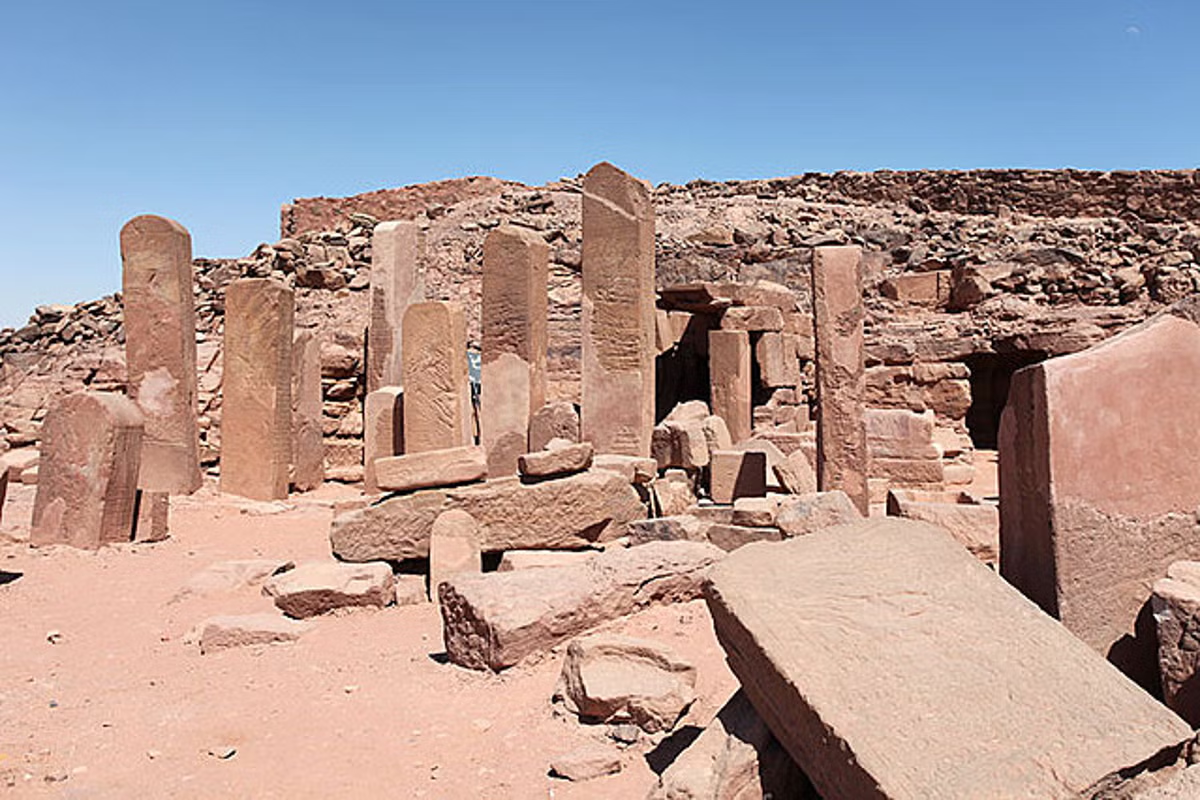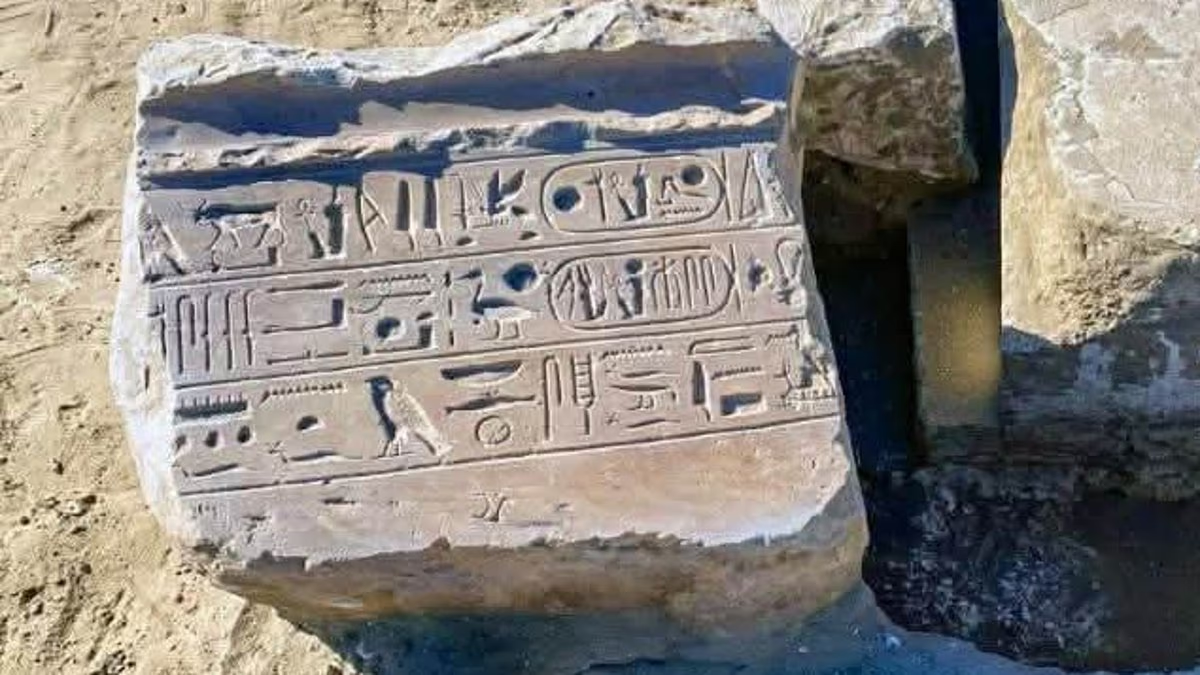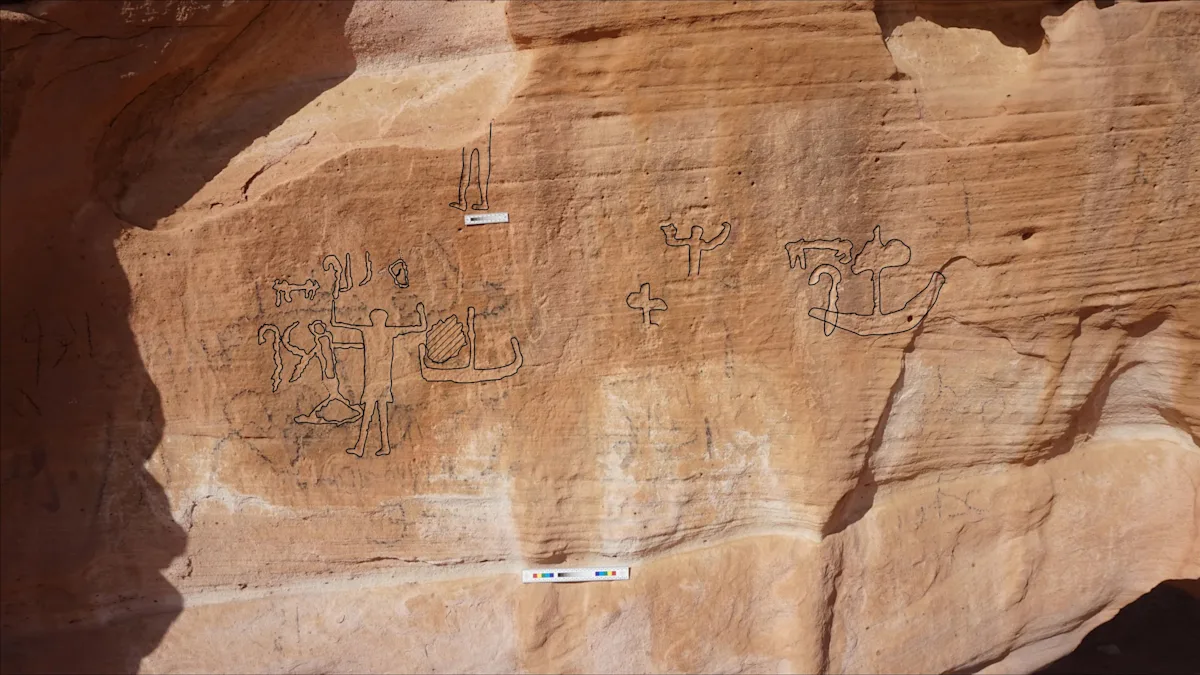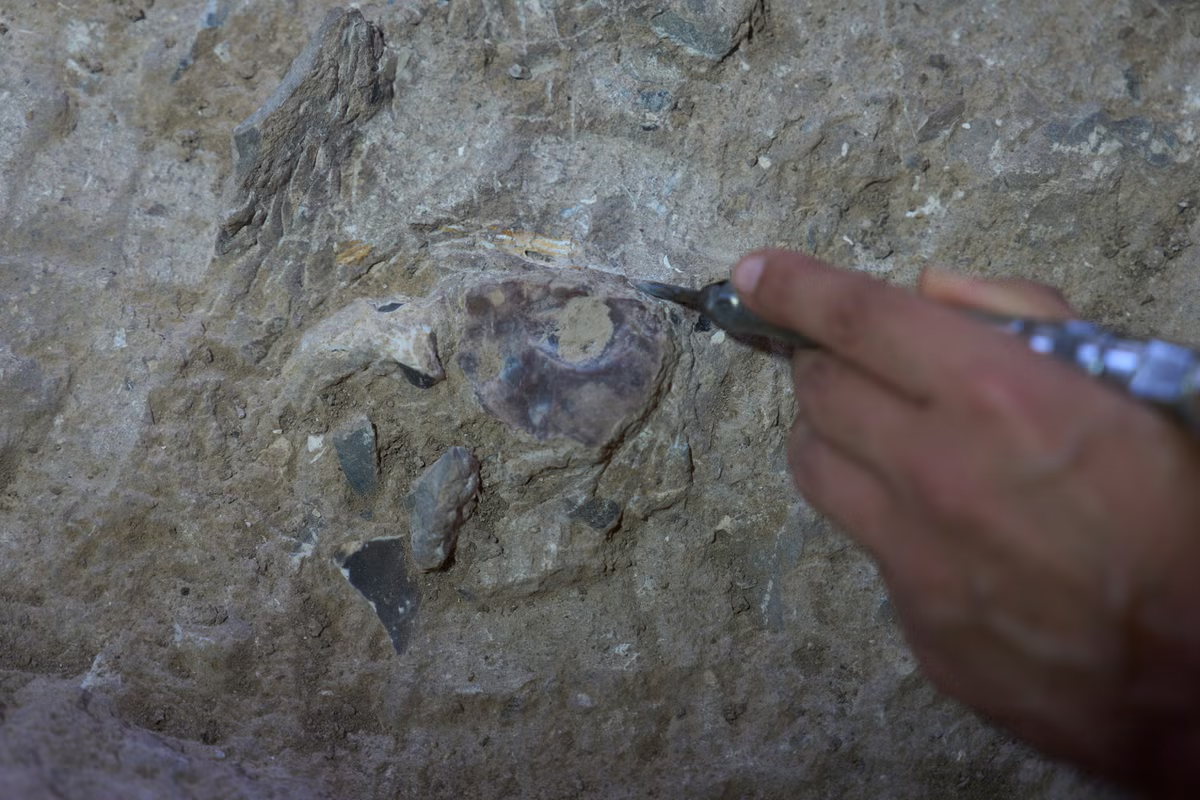
Stay up to date with notifications from The IndependentNotifications can be managed in browser preferences.AllNewsSportCultureLifestyleAn American-Israeli epigraphist, Michael S. Bar-Ron, claims two 3,800-year-old inscriptions found at a turquoise mine in the Egyptian desert could be the earliest written references to Moses. The Proto-Sinaitic etchings, discovered at the Serabit el-Khadim mining site in the Sinai Desert, date from 1800 to 1600 BC, predating the earliest biblical texts. Bar-Ron interprets the texts as “Zot M’Moshe” and “Ne’um Moshe”, potentially translating to “This is from Moses” and “Declaration of Moses”, which would be the oldest non-biblical mentions of Moses. He also suggests the inscriptions, which refer to the deity El, contain warnings and rebukes against the ancient goddess Ba’alat cult, whose temple was at the site. Academic reception to Mr Bar-Ron's interpretation is mixed, with some Egyptologists like Thomas Schneider calling it “completely unproven and misleading”, though Mr Bar-Ron stresses his work is peer-reviewed. In fullOldest written reference to Moses may be etched into ancient Egyptian mine, claims researcherThank you for registeringPlease refresh the page or navigate to another page on the site to be automatically logged inPlease refresh your browser to be logged in
Scholar makes controversial claim about inscriptions found in desert
Stay up to date with notifications from The IndependentNotifications can be managed in browser preferences.AllNewsSportCultureLifestyleAn American-Israeli epigraphist, Michael S. Bar-Ron, claims two 3,800-year-old inscriptions found at a turquoise mine in the Egyptian desert could be the earliest written references to Moses. The Proto-Sinaitic etchings, discovered at the Serabit el-Khadim mining site in the Sinai Desert, date from 1800 to 1600 BC, predating the earliest biblical texts. Bar-Ron interprets the texts as “Zot M’Moshe” and “Ne’um Moshe”, potentially translating to “This is from Moses” and “Declaration of Moses”, which would be the oldest non-biblical mentions of Moses. He also suggests the inscriptions, which refer to the deity El, contain warnings and rebukes against the ancient goddess Ba’alat cult, whose temple was at the site. Academic reception to Mr Bar-Ron's interpretation is mixed, with some Egyptologists like Thomas Schneider calling it “completely unproven and misleading”, though Mr Bar-Ron stresses his work is peer-reviewed. In fullOldest written reference to Moses may be etched into ancient Egyptian mine, claims researcherThank you for registeringPlease refresh the page or navigate to another page on the site to be automatically logged inPlease refresh your browser to be logged in