Brothers Bruce and Scott hadn’t spoken for 15 years when finally one made the call that would reunite them. How do people recover from decades-long rifts?
“W
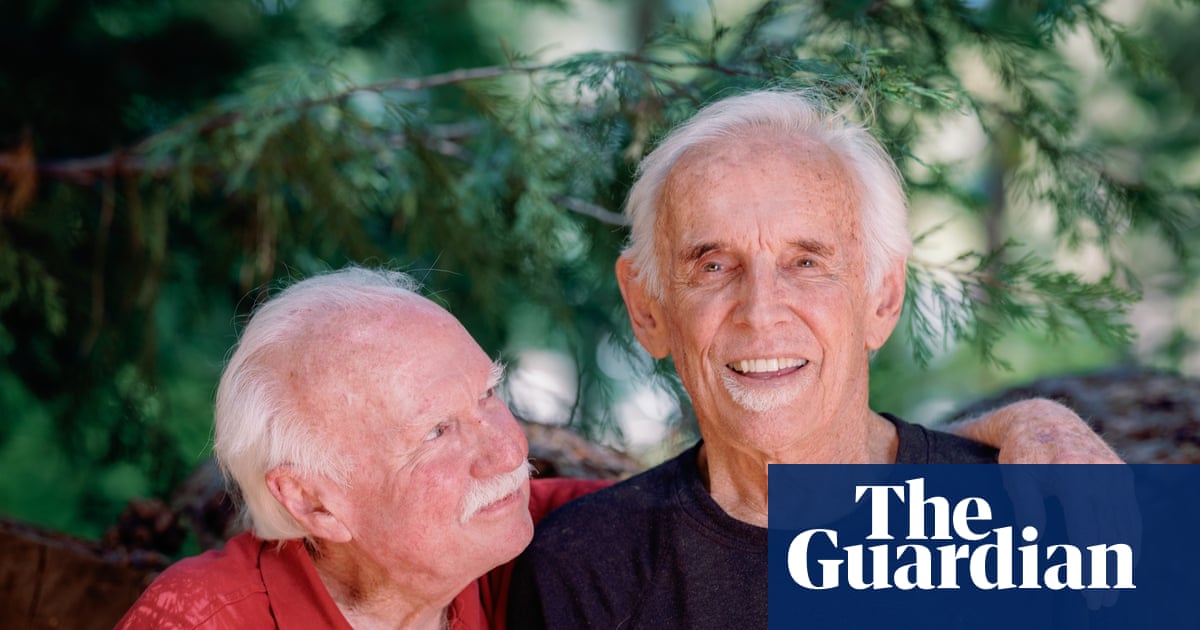
hat happened?” Scott, 82, asked Bruce, 78, when his younger brother picked up the phone and called him after a 15-year estrangement. “I grew up,” Bruce said. “I’ve been stupid and I really miss you.” The brothers had missed a decade and a half of each other’s birthdays, milestones and memories made, but here they were, talking again as though no time had passed.
A quarter of the adult population describe themselves as estranged from a relative; 10% from a parent and 8% from a sibling, according to research by Karl Pillemer, professor of human development at Cornell University and author of Fault Lines: Fractured Families and How to Mend Them. But when decades pass and rifts remain unhealed, what drives family members such as Scott and Bruce – or, rather more famously, the Gallagher brothers – to repair their ruptured relationships?
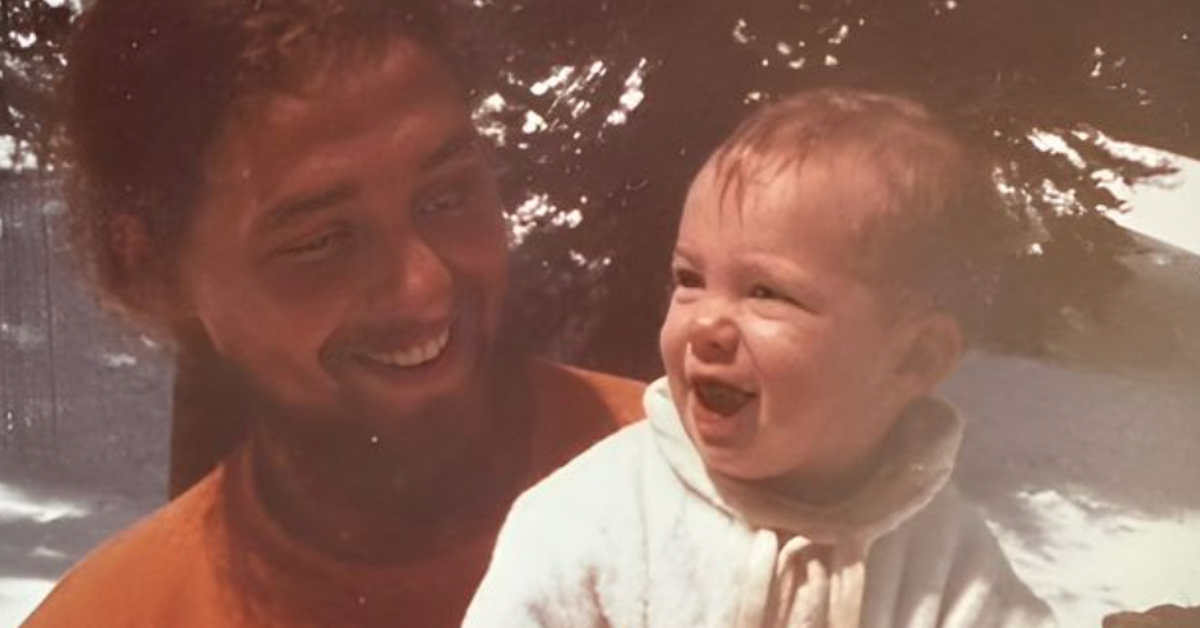
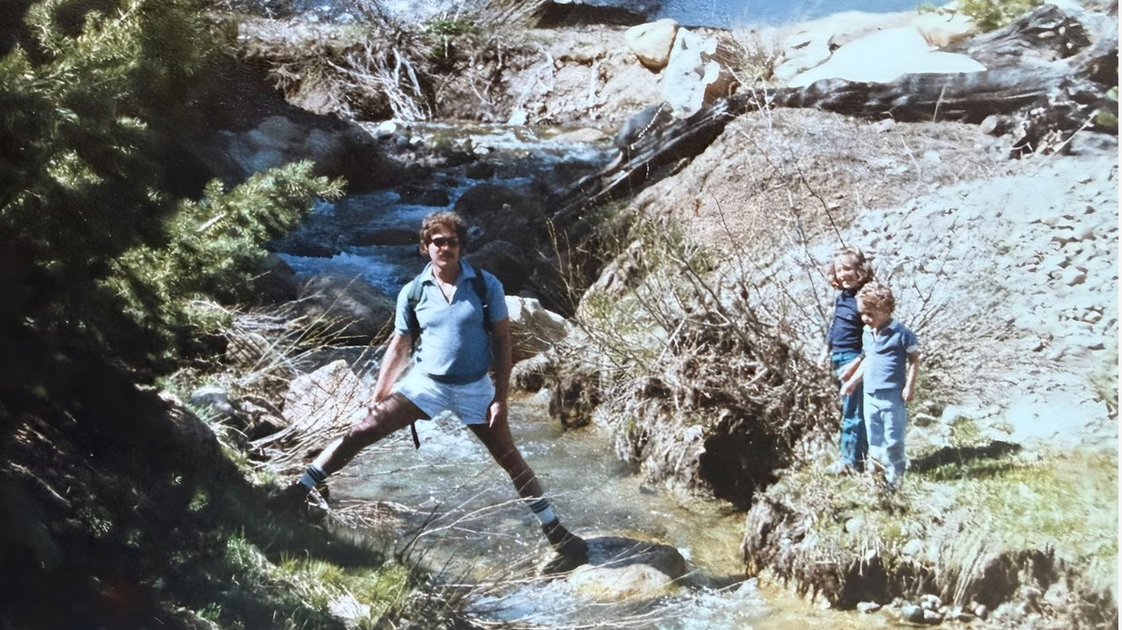
As children, in San Fernando valley, California, Scott and Bruce were close. “He was protective and a great storyteller,” Bruce says. “We’d go to the movies together and I remember hiding behind a seat at the cinema watching The Blob and waiting for Scott to tell me when to come out. We got along pretty well.” Scott had dyslexia and struggled at school, gaining less affection from their unemotional parents as a result. Bruce noticed: “He was undervalued. Our parents never acknowledged or celebrated his achievements.”