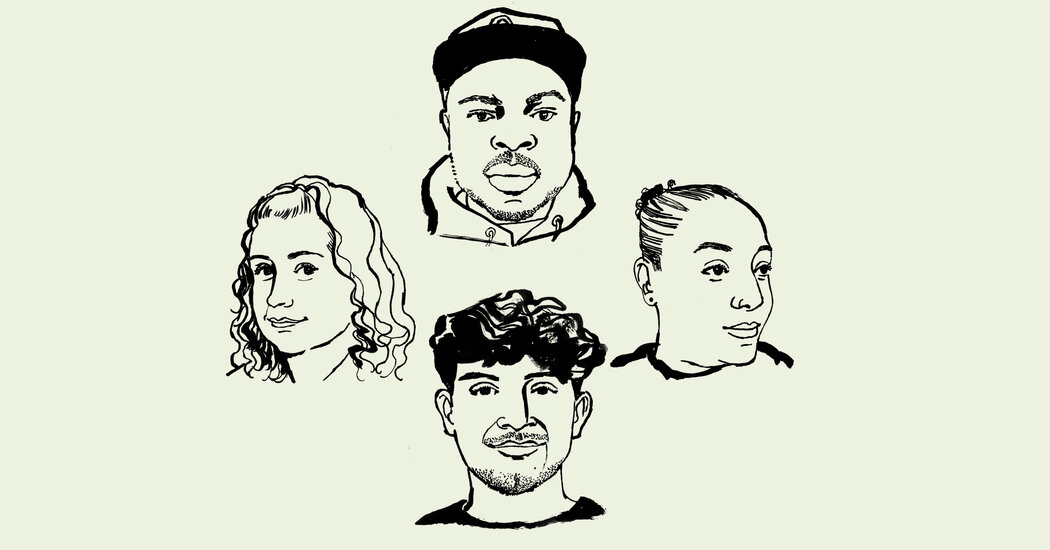
Our panel responds: the more we know about this technology, the more it is the source of hope and worry. We have views that must be heard
Sumaiya Motara
Freelance journalist based in Preston, where she works in broadcasting and local democracy reporting
An older family member recently showed me a video on Facebook. I pressed play and saw Donald Trump accusing India of violating the ceasefire agreement with Pakistan. If it weren’t so out of character, I would have been fooled too. After cross-referencing the video with news sources, it became clear to me that Trump had been a victim of AI false imaging. I explained this but my family member refused to believe me, insisting that it was real because it looked real. If I hadn’t been there to dissuade them, they would have forwarded it to 30 people.
On another occasion, a video surfaced on my TikTok homepage. It showed male migrants climbing off a boat, vlogging their arrival in the UK. “This dangerous journey, we survived it,” says one. “Now to the five-star Marriott hotel.” This video racked up almost 380,000 views in one month. The 22 videos posted from 9 to 13 June on this account, named migrantvlog, showed these men thanking Labour for “free” buffets, feeling “blessed” after being given £2,000 e-bikes for Deliveroo deliveries and burning the union flag.