Geopolitical risks now extend beyond cross-border issues to include domestic policies’ global repercussions, Lazard’s Ronald Temple says
Discussions on geopolitical risks have become an increasingly central part of business and investment decision-making, according to Lazard.
Five or 10 years ago, people would be talking about geopolitics casually, according to Ronald Temple, chief market strategist at the US financial advisory and asset management firm. “But now geopolitics are part of board meetings,” he said.
Temple said that geopolitical risks – from the Trump administration’s policy shifts to US-China regulatory hurdles and Taiwan-related contingency planning for semiconductor firms – now extend beyond cross-border issues to include domestic policies’ global repercussions.
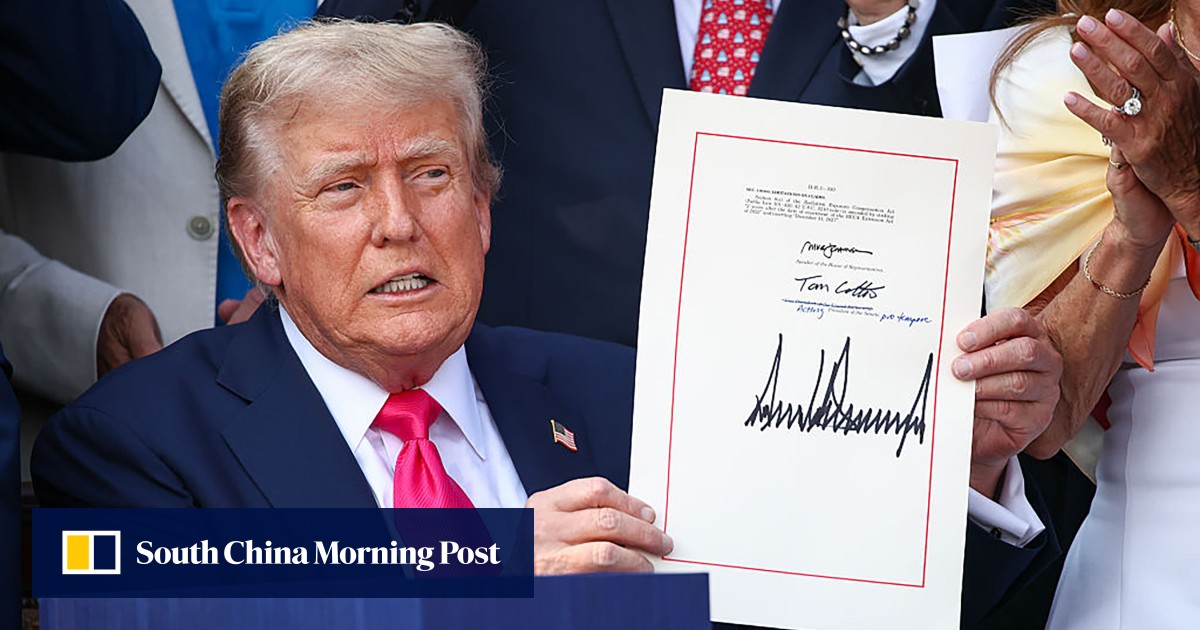
“For example, provisions that were recently included in, and then subsequently removed from, the One Big Beautiful Bill Act in the US could have had meaningful consequences on non-US investors,” he said, referring to Section 899, which proposed increasing income and withholding tax rates on certain individuals and entities from countries that imposed taxes considered discriminatory against US persons.