https://arab.news/cfvtt
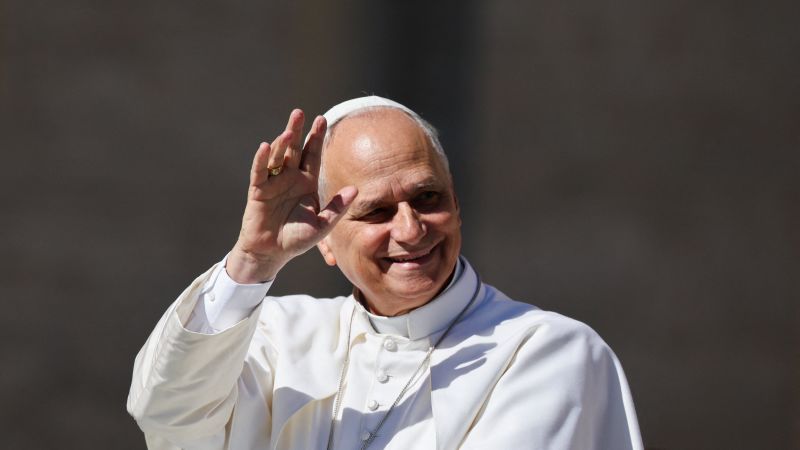
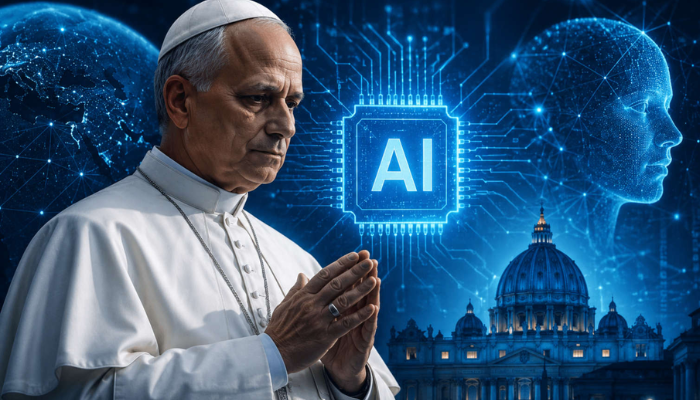
As Pope Leo XIV works to bridge the growing chasm between technology developers and religious communities, he would do well to look eastward — toward Islam’s rich intellectual tradition that sees no conflict between faith and scientific innovation. And in truth, we would do well to look at ourselves. While many Western tech hubs often treat religion with suspicion, the Arab-Islamic world possesses precisely the ethical architecture needed to guide artificial intelligence toward justice, accountability, and human dignity.
From its very first revelation, Islam made the pursuit of knowledge a sacred duty. The Qur’anic command “Iqra”— “Read!”— enshrined learning as worship. In the House of Wisdom in Baghdad and the observatories of Samarkand, Muslim scholars fused scientific progress with moral responsibility, guided by hikmah (wisdom), ’adl (justice), and raḥmah (compassion). These were not abstract ideals but actionable virtues; la darar wa la dirar — no harm, no reciprocating harm — demands technologies that prevent bias and protect the vulnerable; shura (consultation) ensures inclusive design; and taʿaruf (mutual knowing) bridges cultures instead of dividing them.