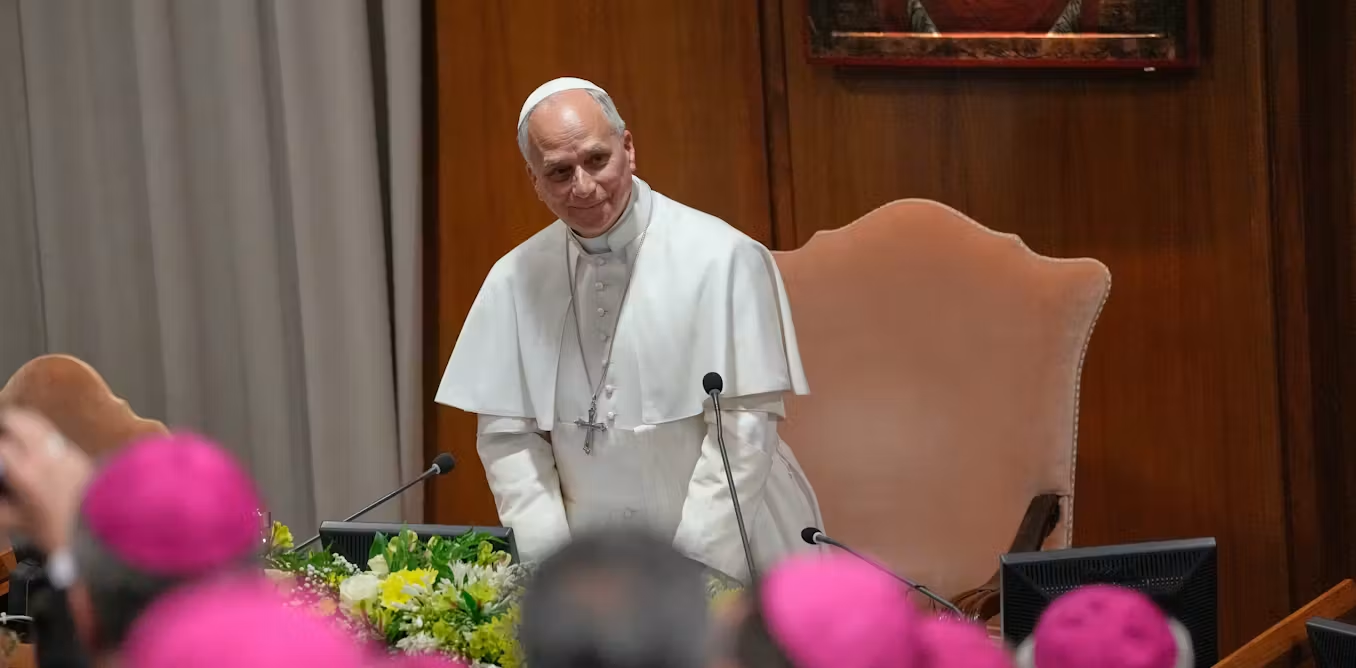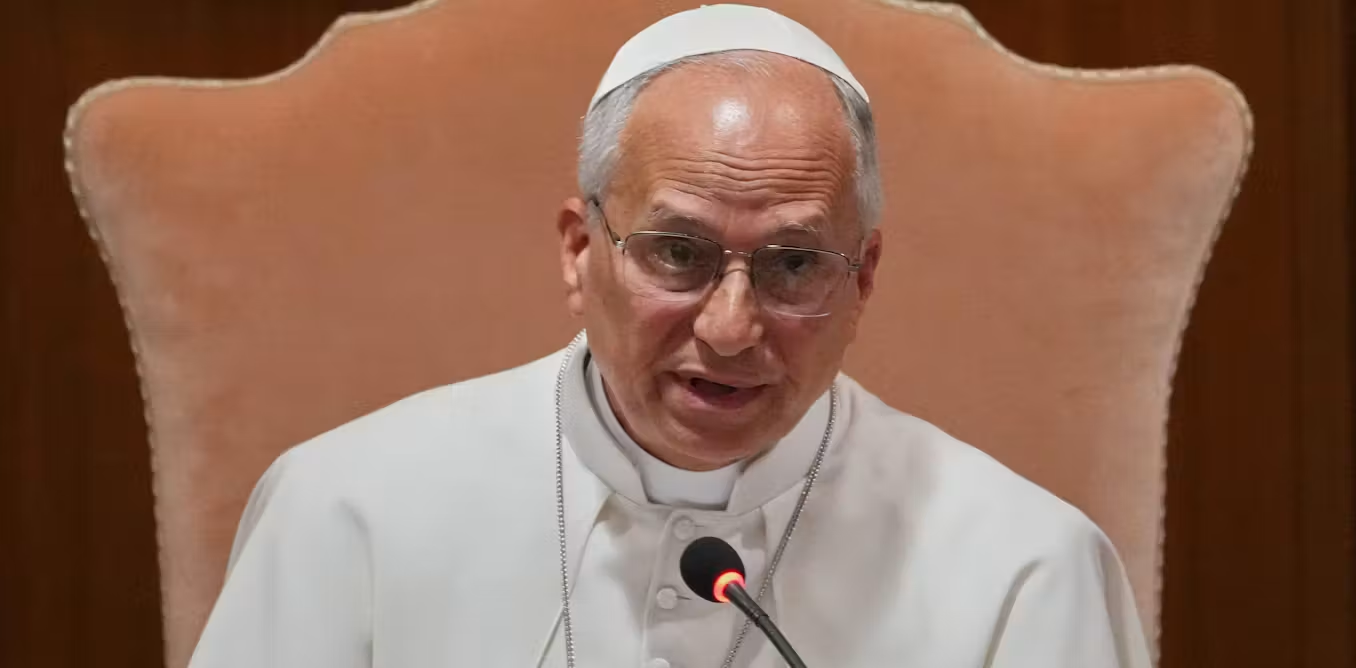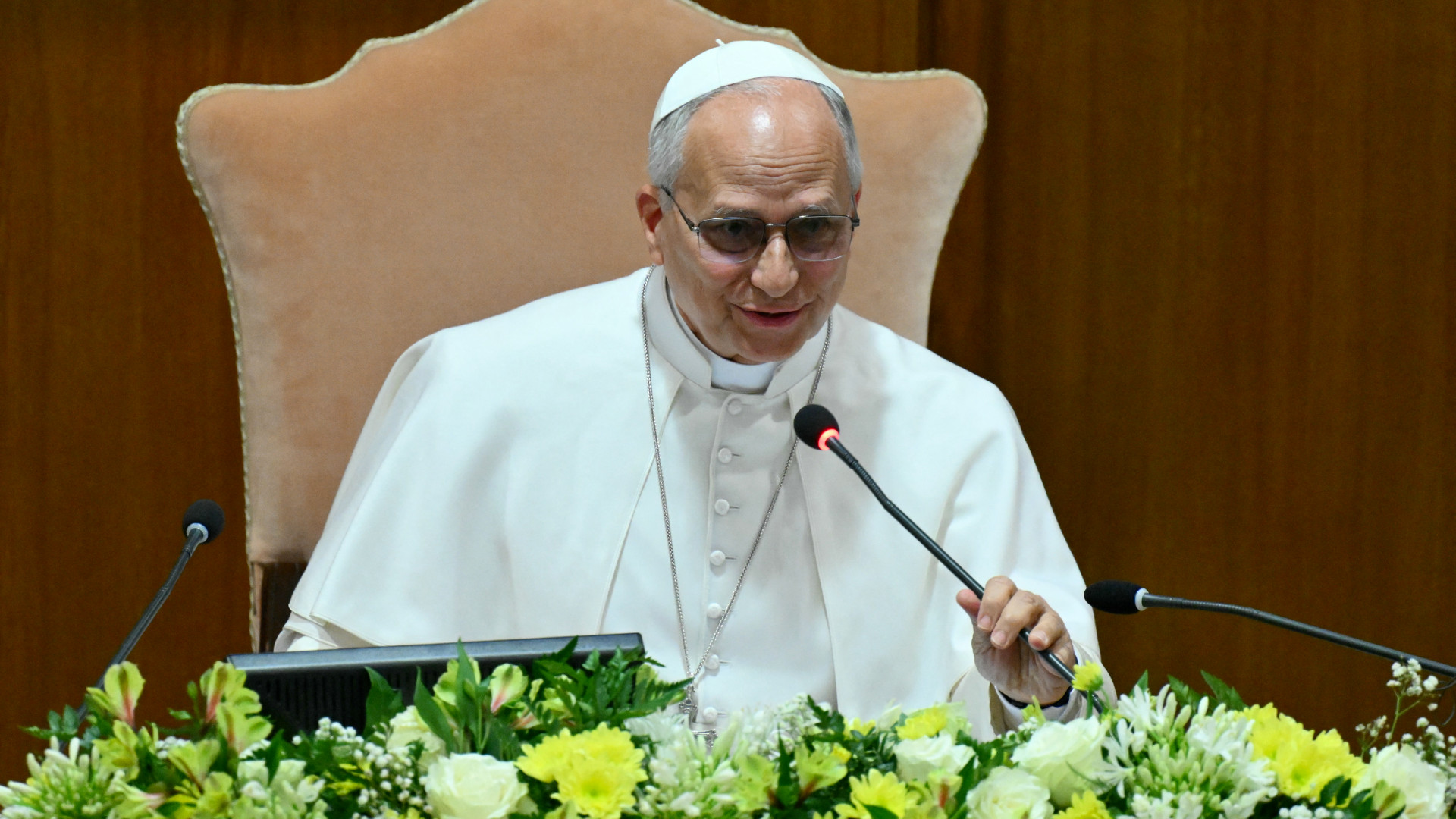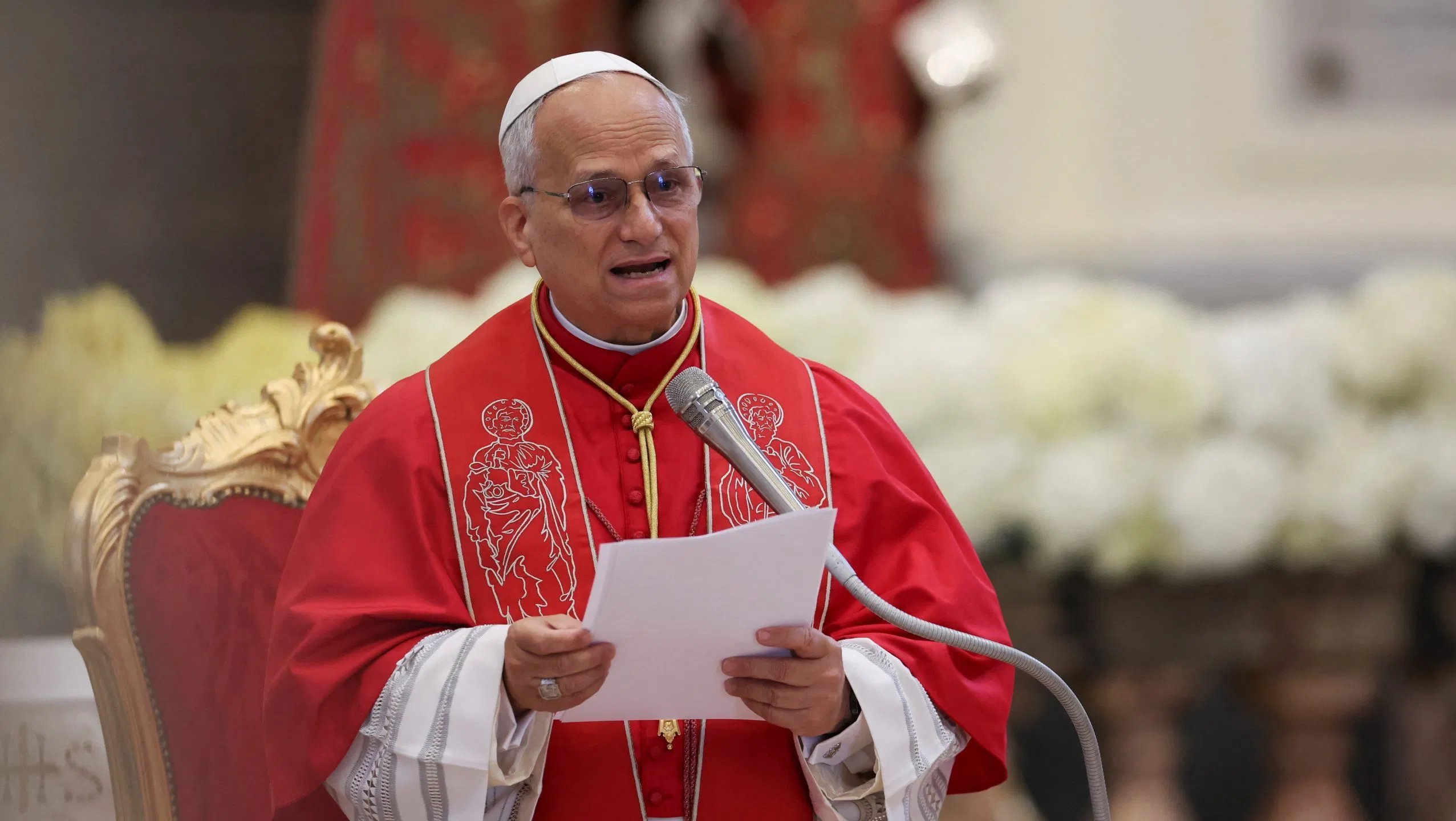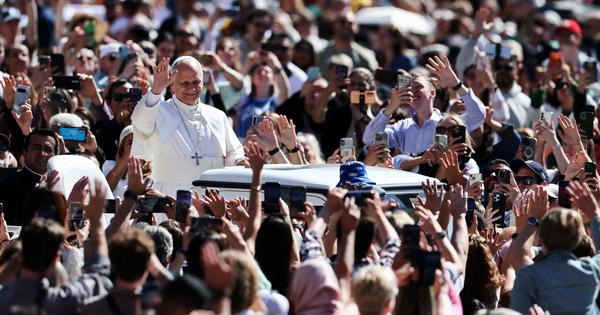
When Pope Leo XIV signed his first encyclical, Magnifica Humanitas, on 15 May 2026, the date was not accidental. It marked 135 years since Rerum Novarum, the 1891 papal letter that confronted the moral crisis of the industrial age: factories, machines, labour exploitation and the violent imbalance between capital and workers.
The new “social question” is no longer only the factory. It is the algorithm.
The pope’s warning is clear: artificial intelligence is not simply another tool. Like the steam engine before it, it is reshaping work, war, knowledge, politics and even the way we define the human person. The question is no longer only what AI can do, but what kind of world it is building - and who is being sacrificed to build it.
Across Muslim societies, similar questions are being asked, though not through one central voice.
In Doha, scholars of Islamic ethics examine moral agency and accountability. In Malaysia, Islamic principles are being brought into the conversation around new technologies. In Indonesia, clerical institutions are beginning to address digital life, AI-generated religious answers, and the social impacts of automation.