As South Korea nears official multicultural status, Seoul wants newcomers to integrate – but they still face discrimination and prejudice
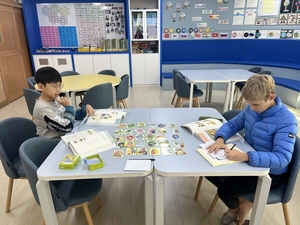
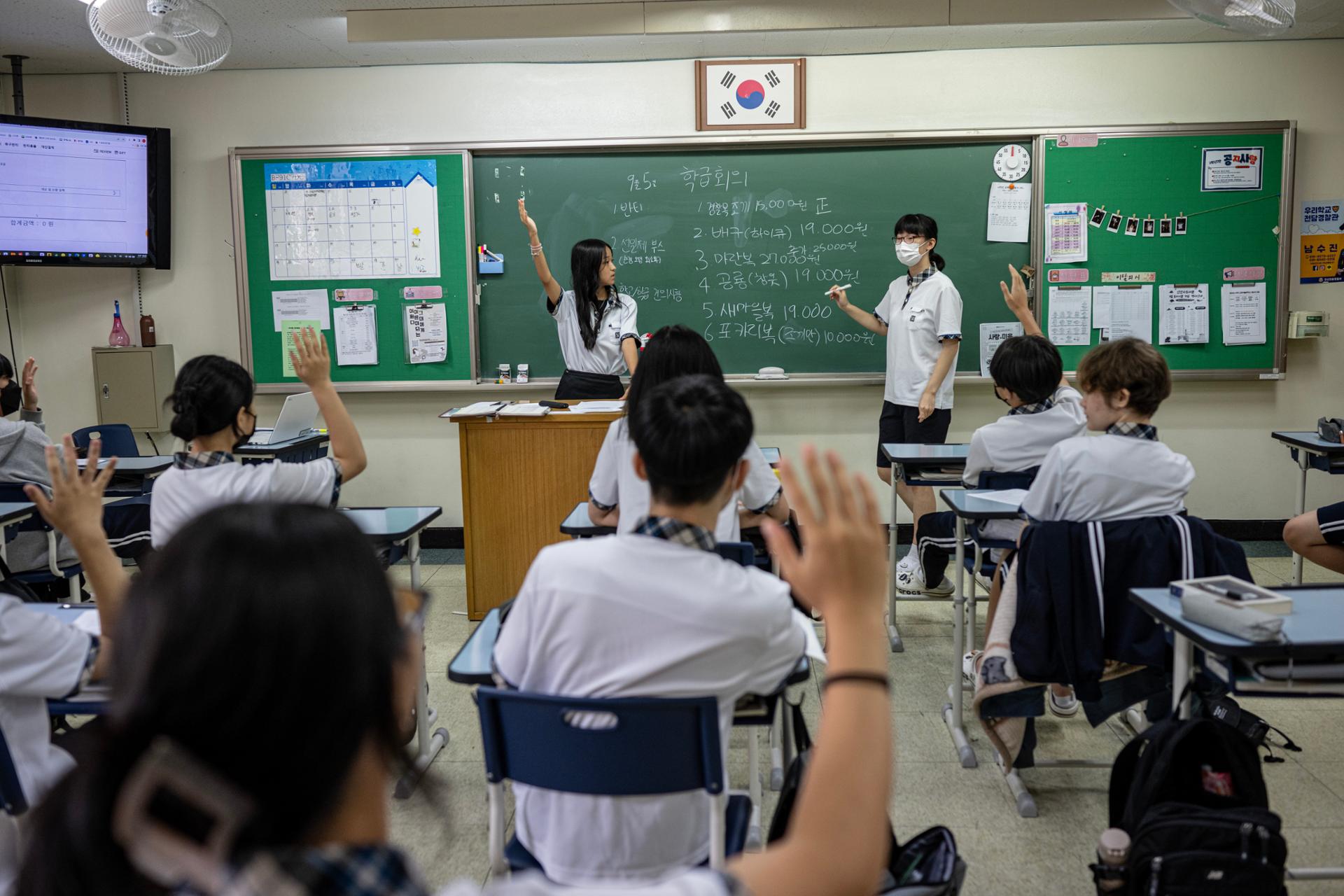
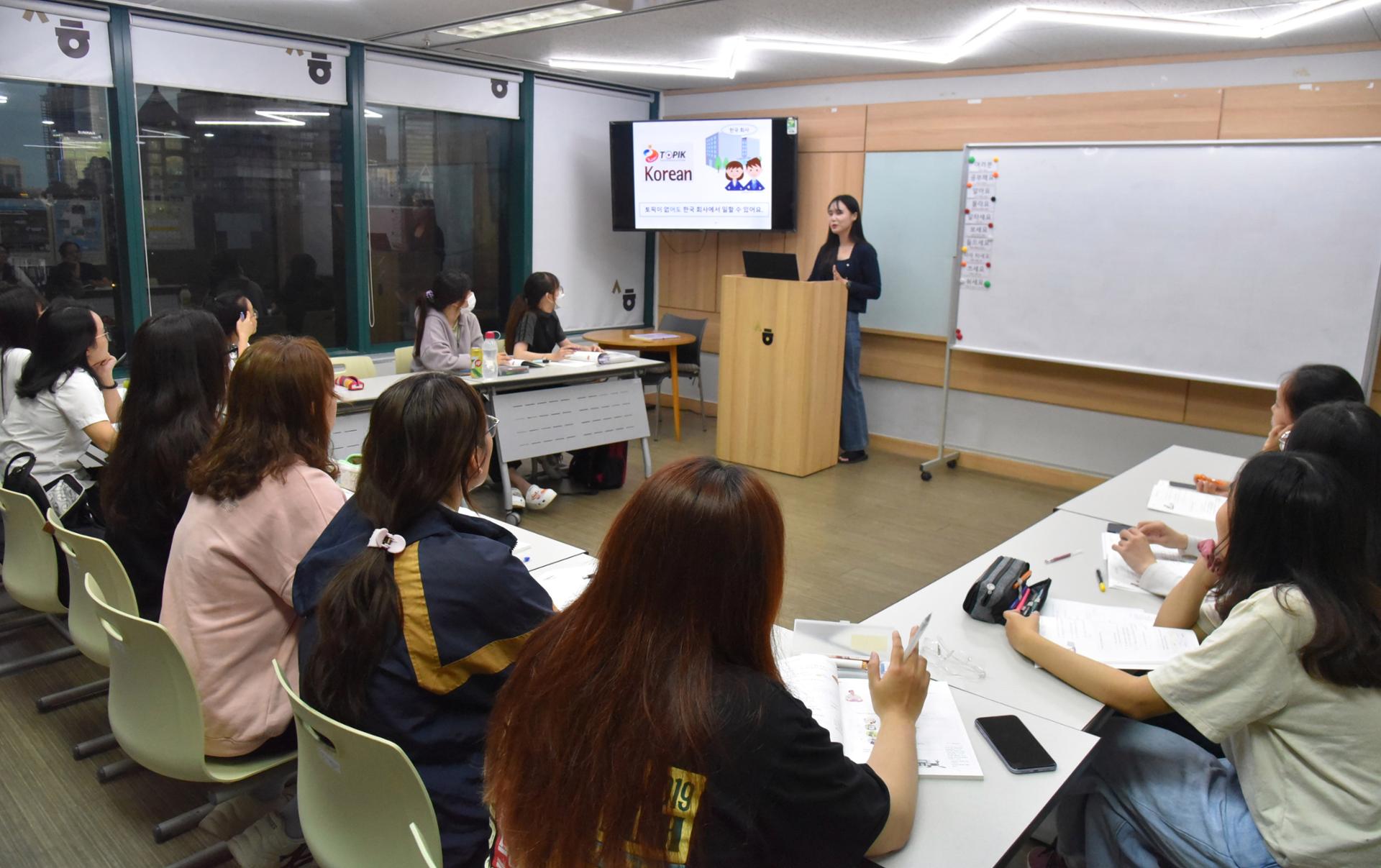
Russian words echo through the corridors of Gonjiam middle school as a woman from Uzbekistan addresses a classroom of teenagers still grappling with the Korean language.
“How do you speak with Korean friends?” she asks. The responses are halting. Some use translation apps. Others rely on classmates who speak better Korean to navigate school life.
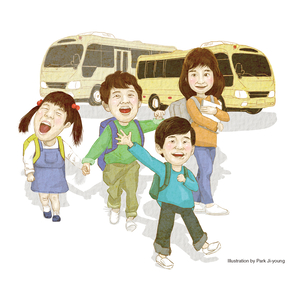
They are ethnic Korean children, mainly from former Soviet republics, caught between cultures in a country to which their parents moved for work and stability.
Their instructor, Luiza Sakhabutdinova, an assistant professor who came to South Korea 17 years ago, is one of 39 mentors from 21 countries deployed in programmes nationwide to foster social cohesion.