Rather than viewing some citizens’ immigrant backgrounds as complications to be managed, they should be embraced as competitive advantages
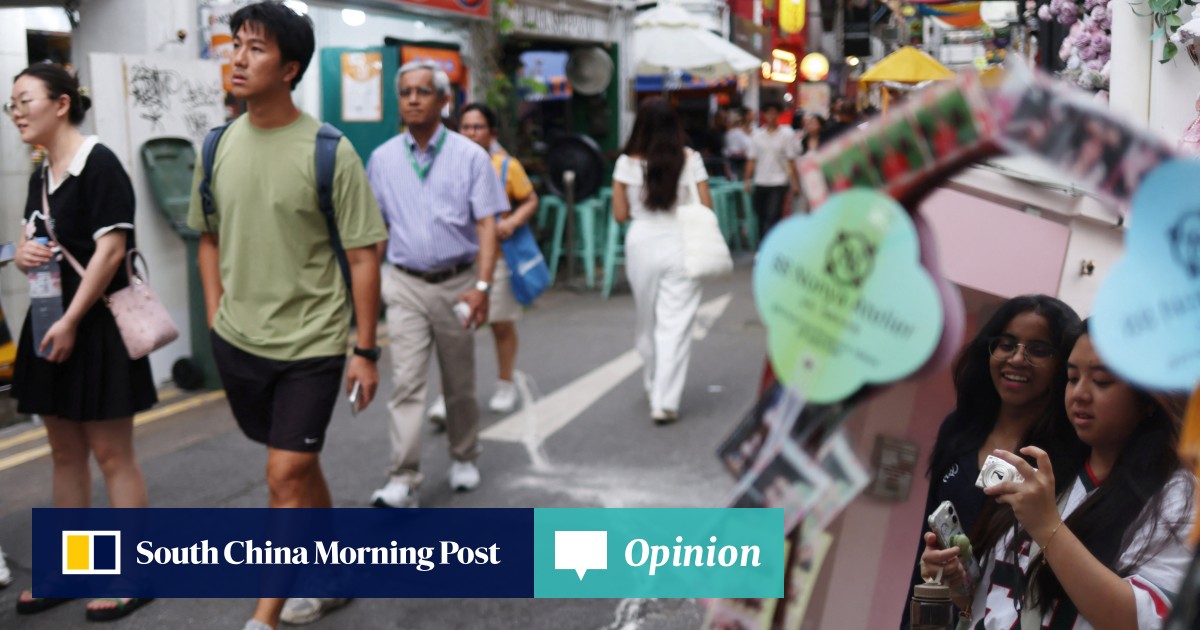
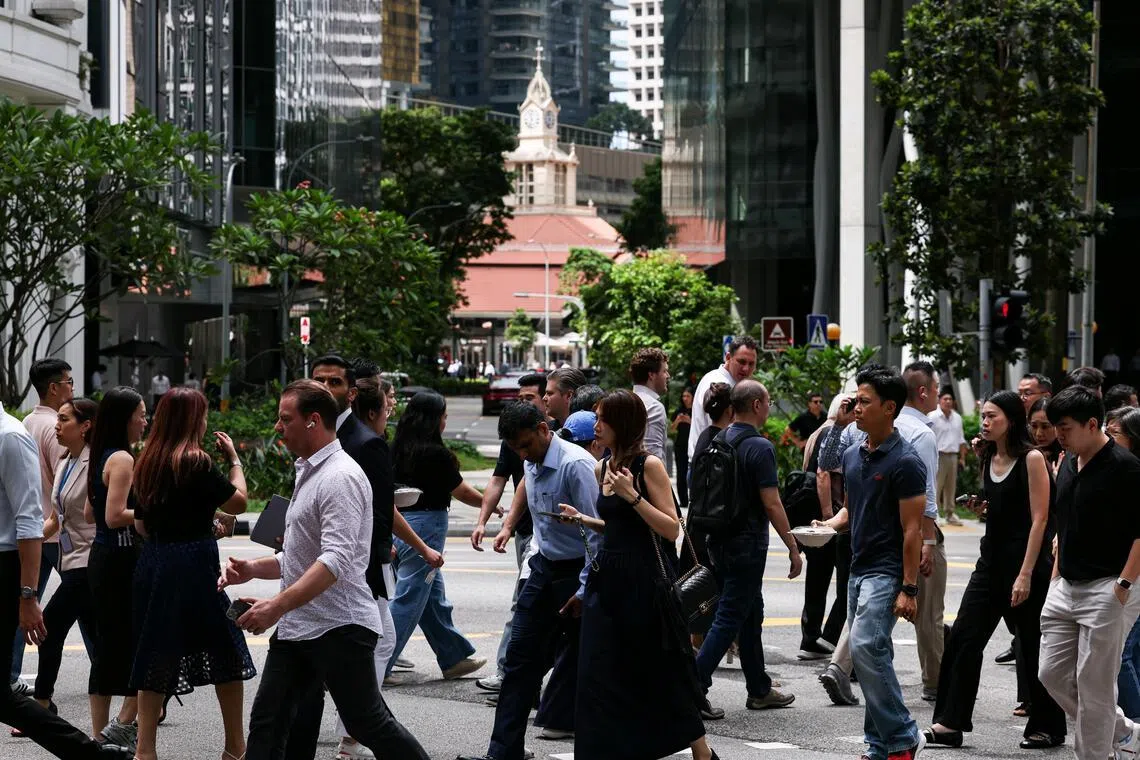
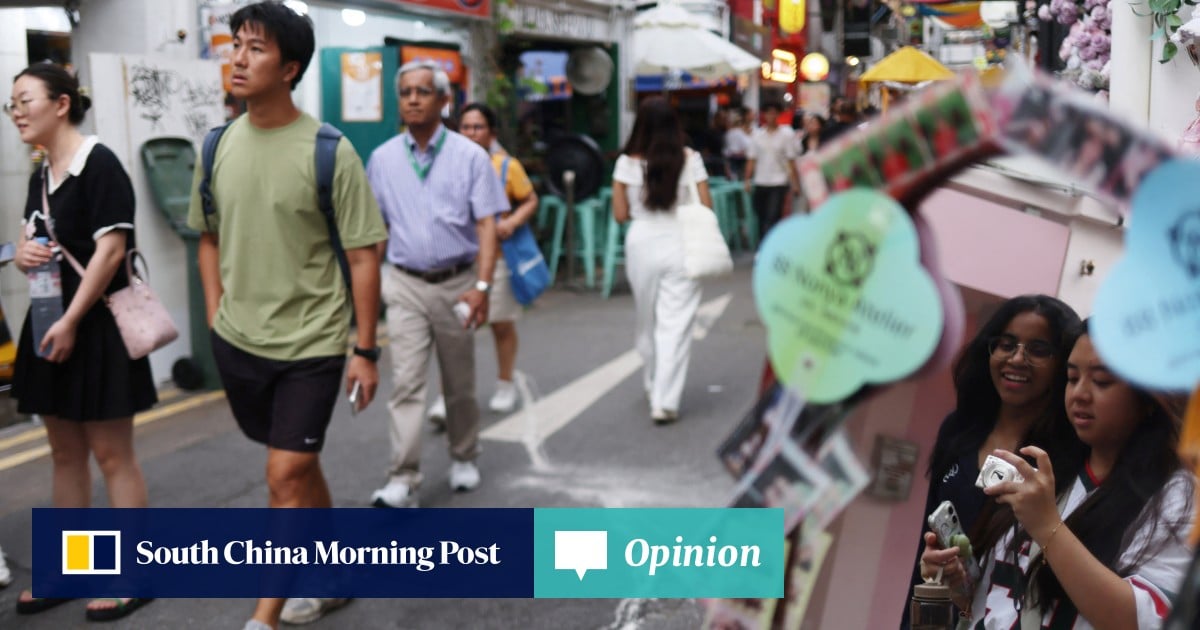
One in three marriages in Singapore is a transnational union. Each year, Singapore naturalises about 20,000 new citizens and grants another 30,000 permanent residency status, many of them children and young people. These two demographic trends are creating a generation of young Singaporeans who are invisible yet in plain sight – ethnically Asian and seamlessly integrated into local life yet carrying deep cultural and familial connections to our regional neighbours.
My four-year research project reveals that Singapore’s approach to integrating the children of migrants has created dual outcomes. On one hand, it has achieved remarkable integration success as these young people blend into Singaporean society. On the other, it has erased their immigrant backgrounds and regional connections, missing a strategic opportunity for soft power.
Your personal data will be processed and information from your device (cookies, unique identifiers, and other device data) may be stored by, accessed by and shared with 88 TCF vendor(s) and 20 ad partner(s), or used specifically by this site or app.