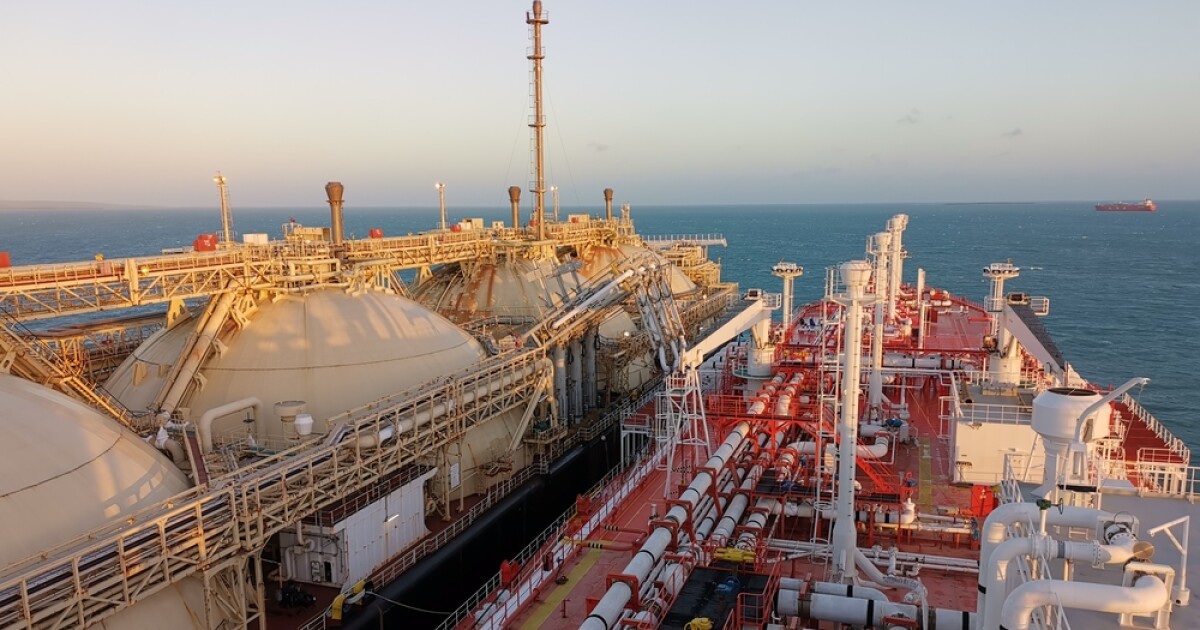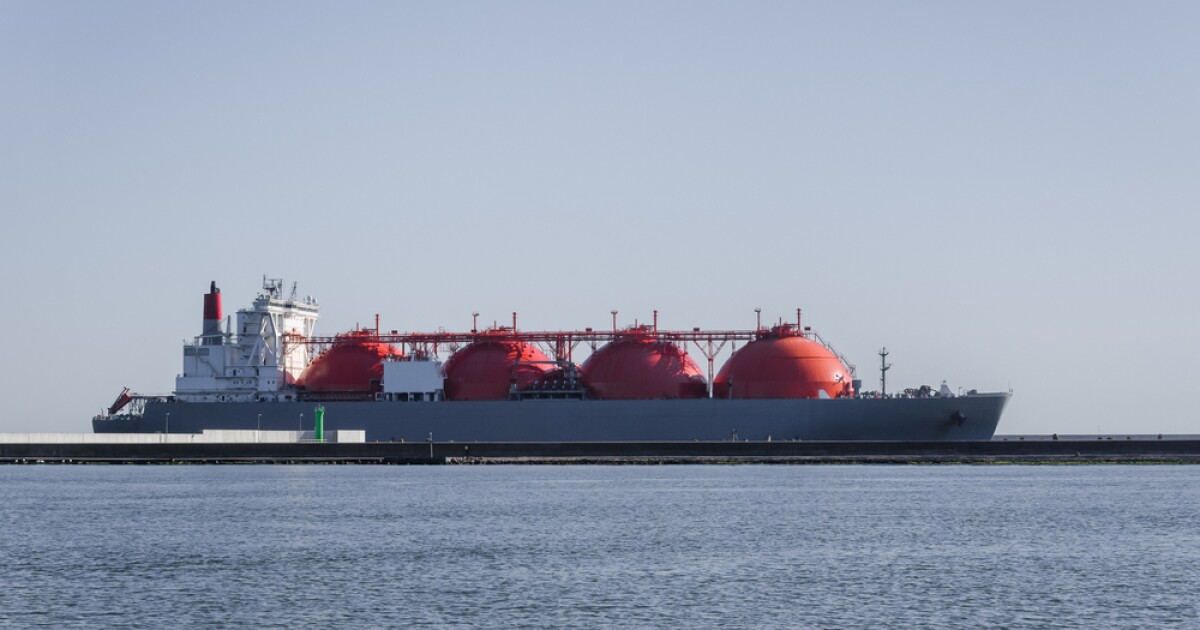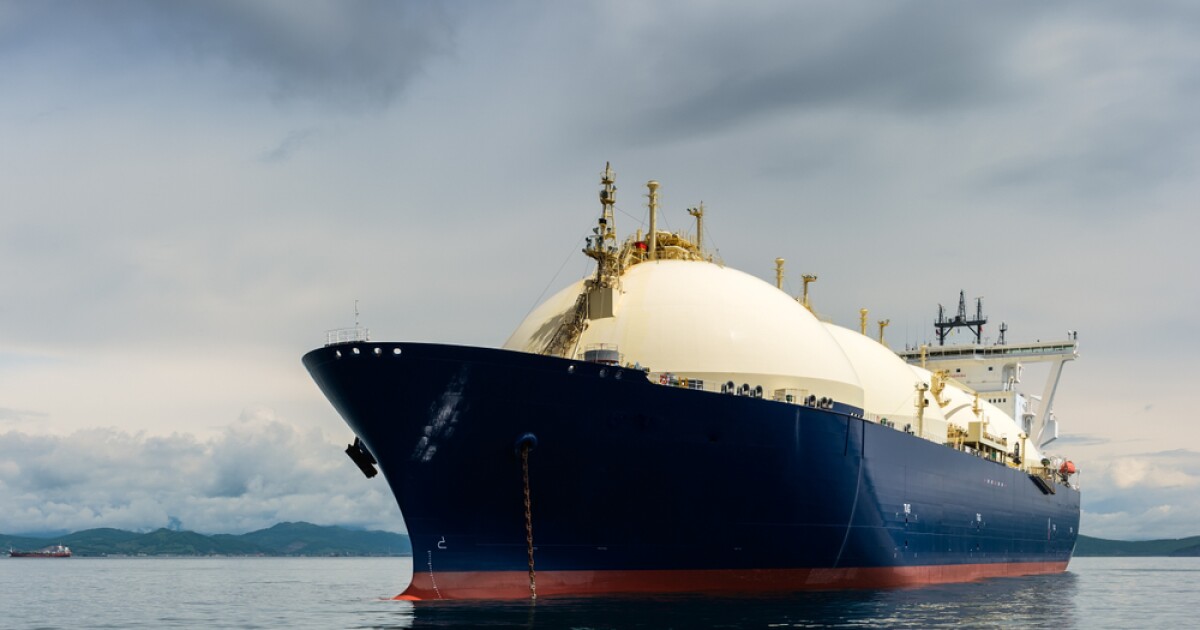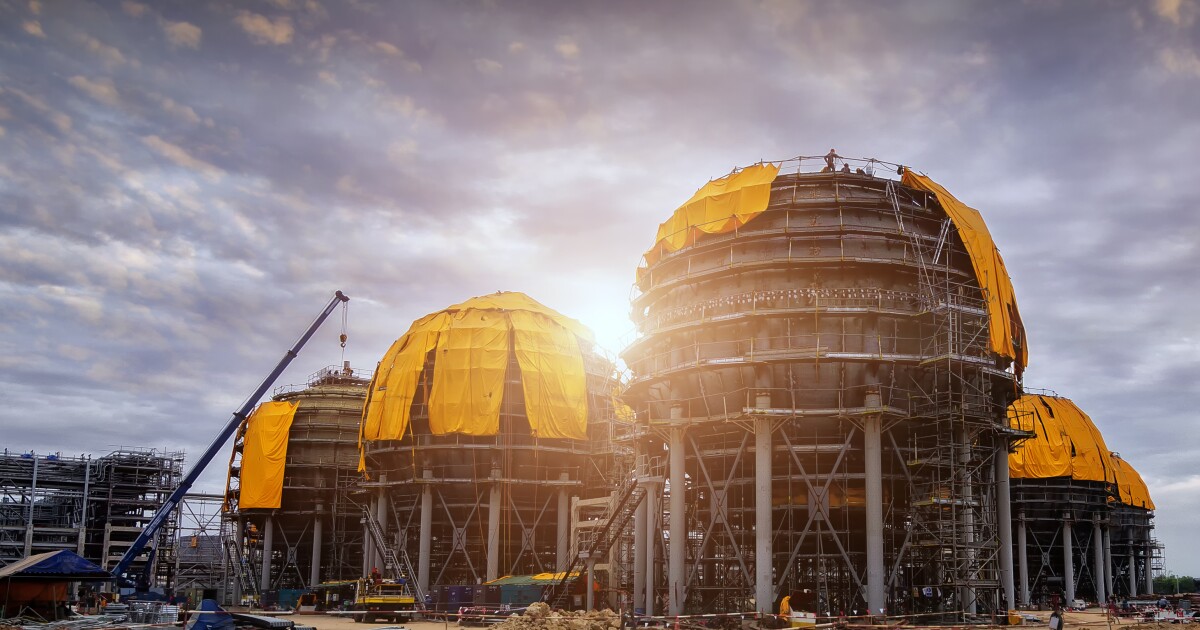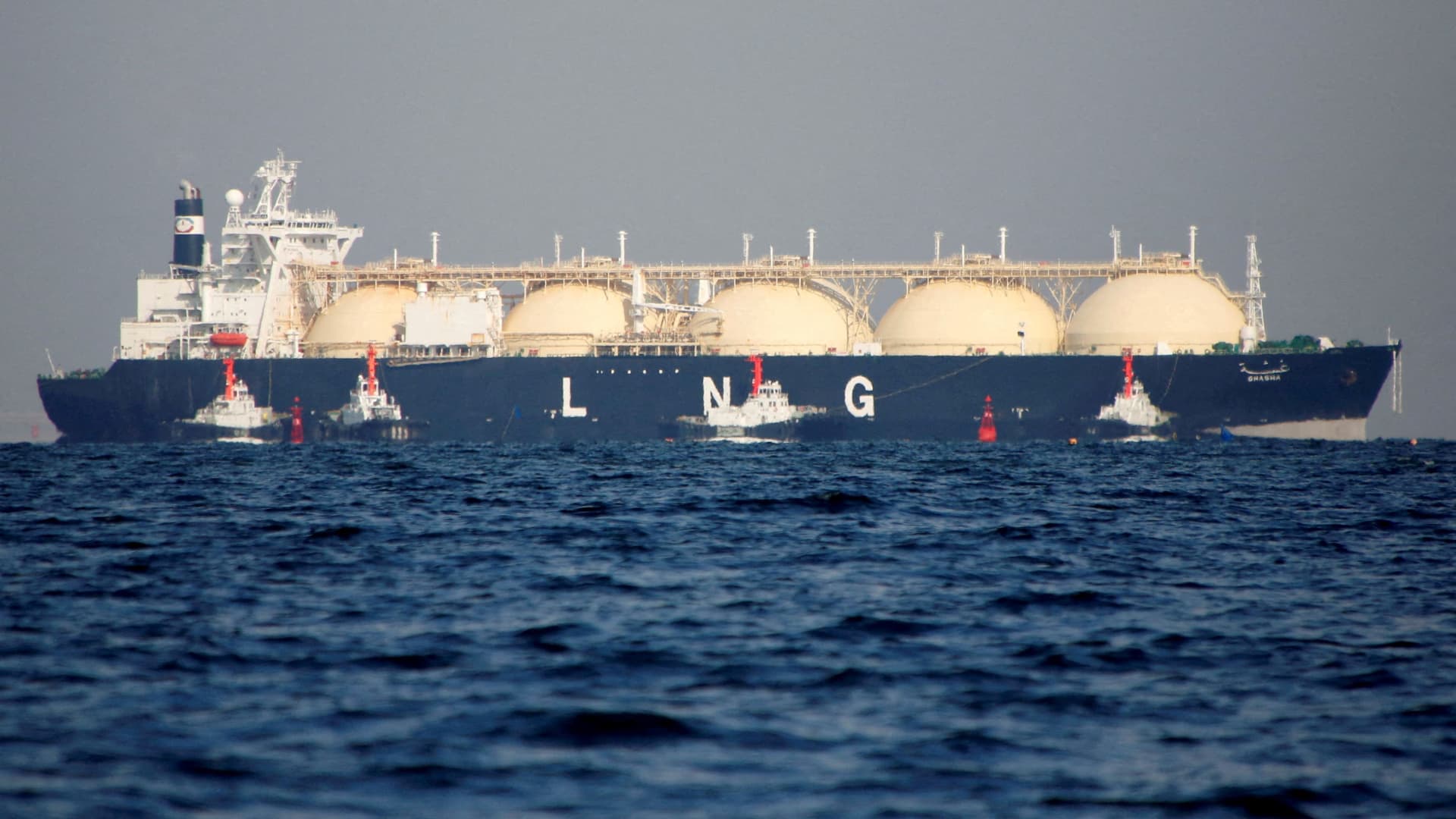
The Trump administration is touting commitments by foreign nations for future large purchases of U.S. energy as part of recent trade deal frameworks, including with the EU, Indonesia, and South Korea, but a separate recent mandate from the U.S. Trade Representative to promote domestic shipbuilding may stand in the way of making those liquified natural gas shipments reality.
The USTR policy mandates that 1% of U.S. LNG exports be carried on U.S.-flagged ships starting in April 2028, and a year later, 1% needs to be transported on U.S.-built ships. Subsequent annual increases of 1% would reach a total of 15% of U.S. LNG required to be on U.S.-built vessels by 2047.
“The requirement of U.S.-built ships to move the country’s LNG and crude is problematic,” said Jason Feer, global head of business intelligence for Poten & Partners, a company specializing in energy market analysis and consulting, particularly in the LNG sector.
The U.S. government’s new shipbuilding policy was undertaken as part of an investigation into China’s dominance in the shipbuilding industry, as part of the broader national security concerns of the U.S. government (the Biden administration was pursuing the issue as well and released a report in January 2025 stating its recommendations). China manufactures as much as 75%-80% of global freight fleets. In April, Trump announced the new USTR policy to rebuild America’s shipbuilding industry.