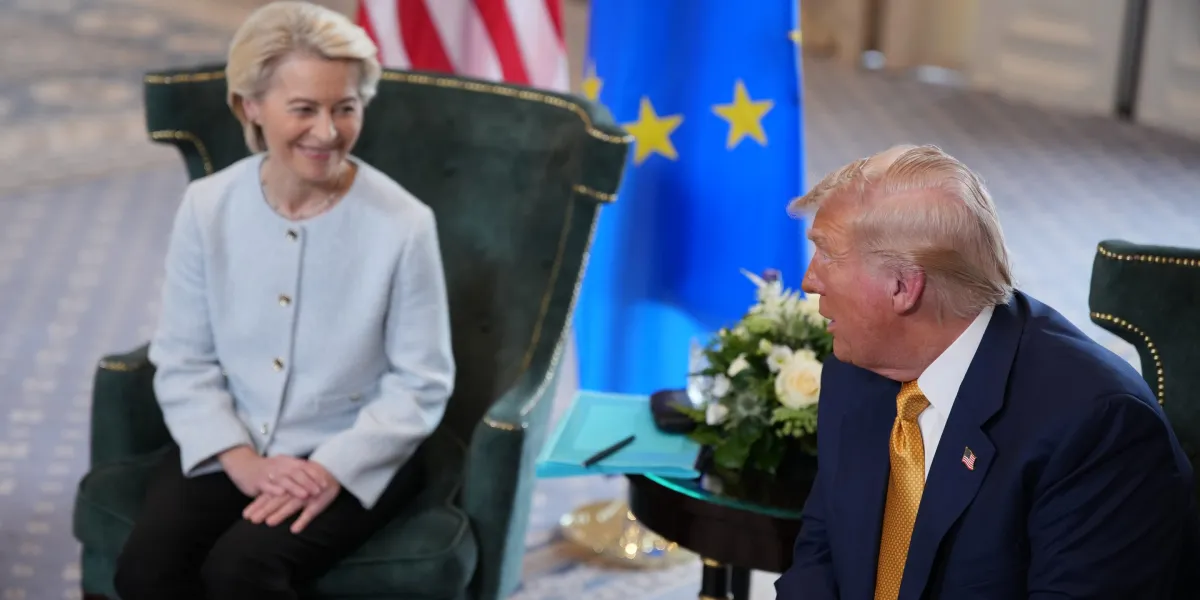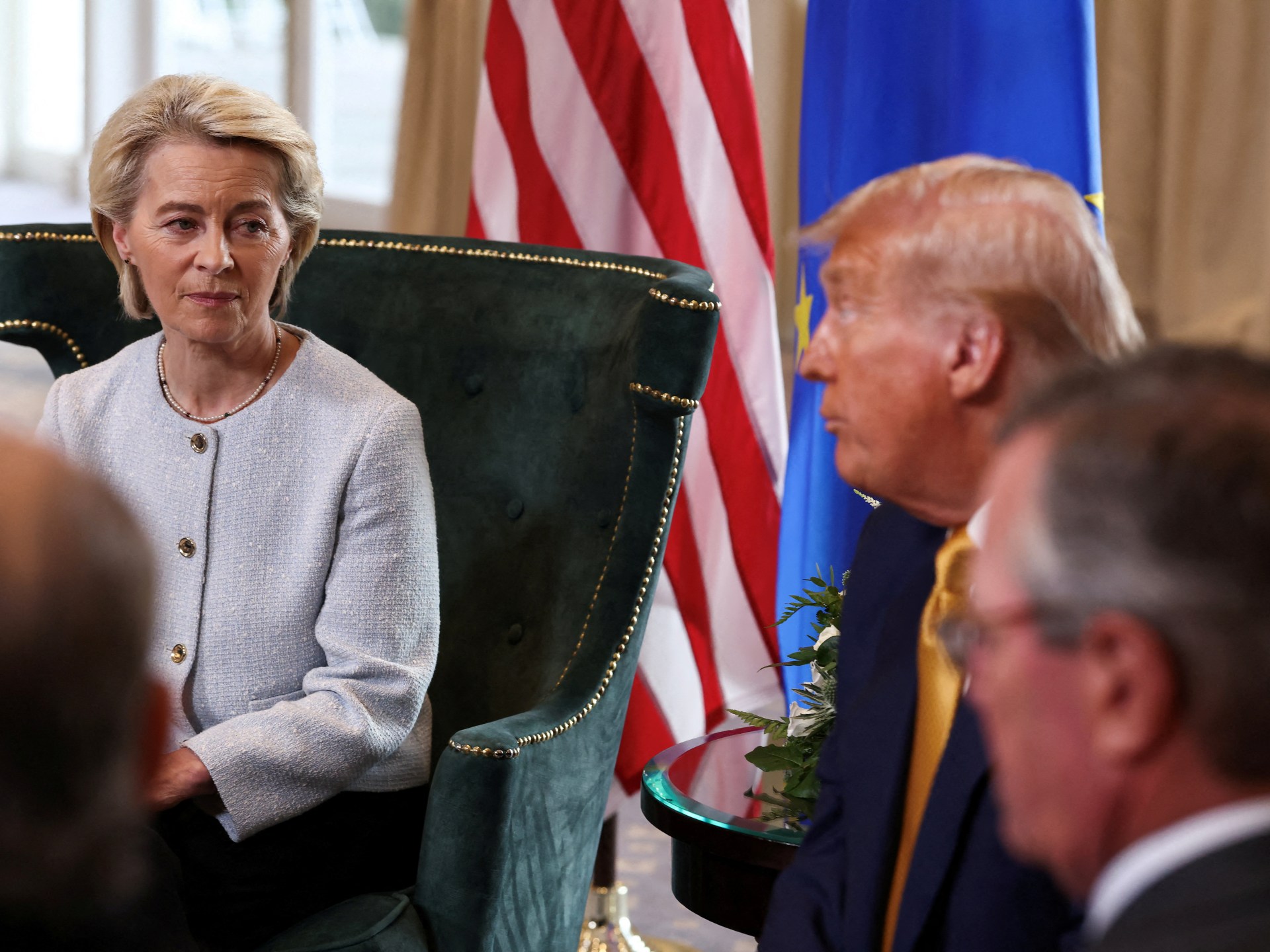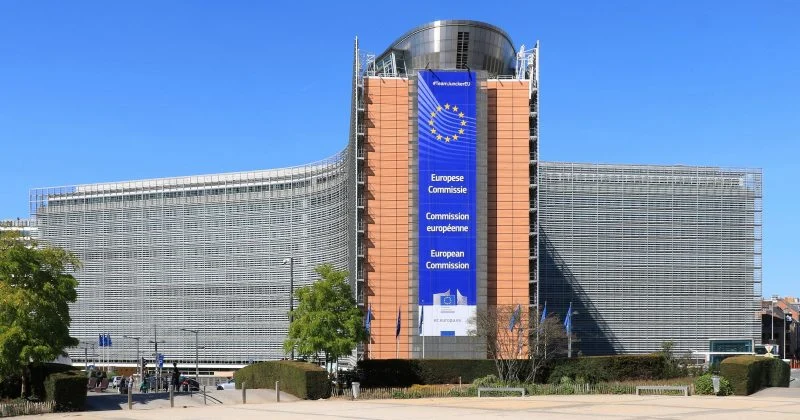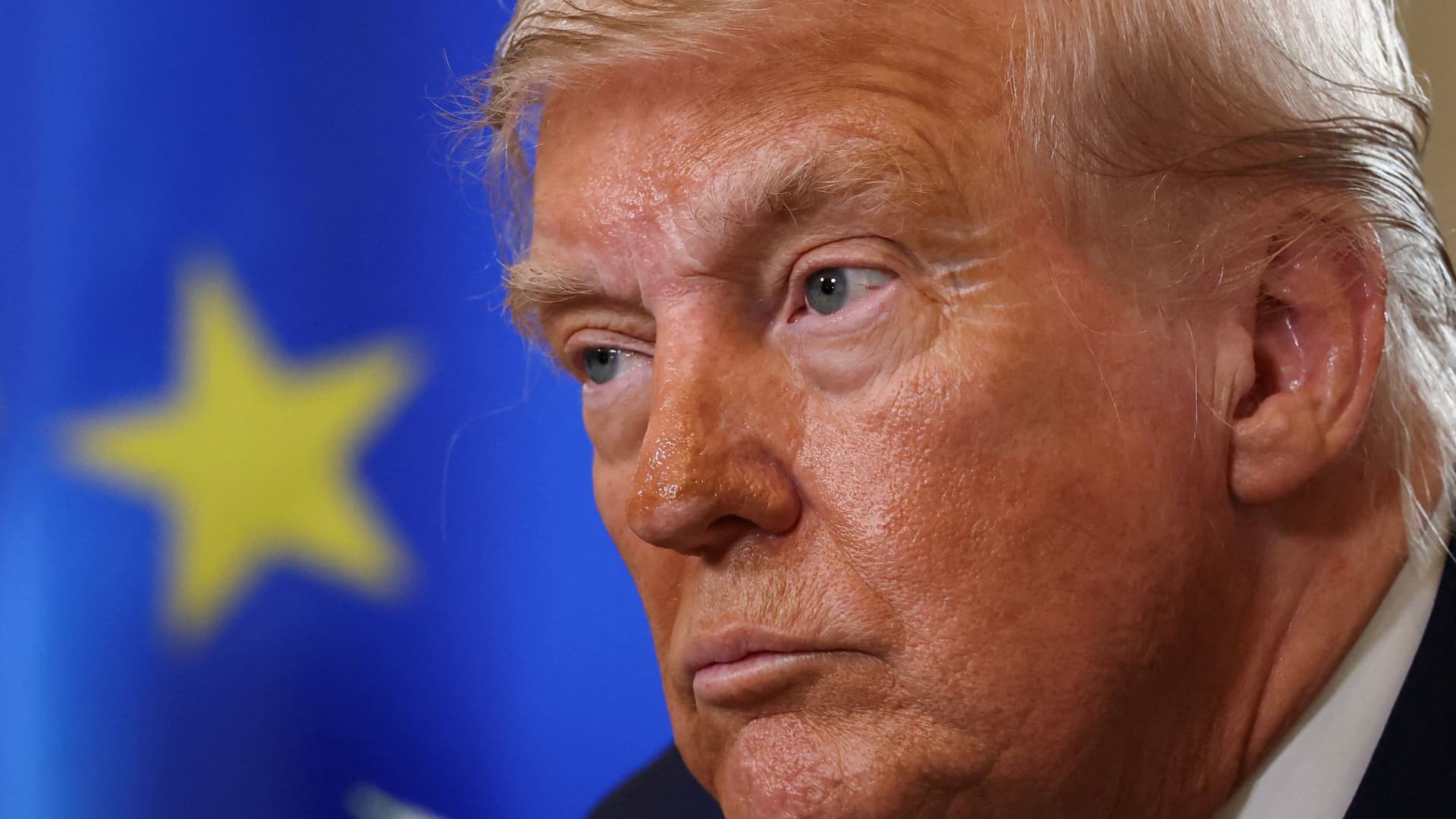
President Donald Trump’s massive energy deal with the European Union will be difficult to implement, setting Washington and Brussels up for a potential future confrontation over tariffs and trade.
The EU has agreed to purchase $750 billion of U.S. energy and invest $600 billion in the U.S. by 2028, according to the White House. In exchange, Trump has agreed to a tariff of 15% on EU goods excluding steel and aluminum, which is half the 30% rate that he had threatened.
But the $600 billion investment in the U.S. is not binding on EU member states or companies. The European Commission, the bloc’s executive body, simply said that companies “have expressed interest in investing at least” that amount in the U.S by 2029.
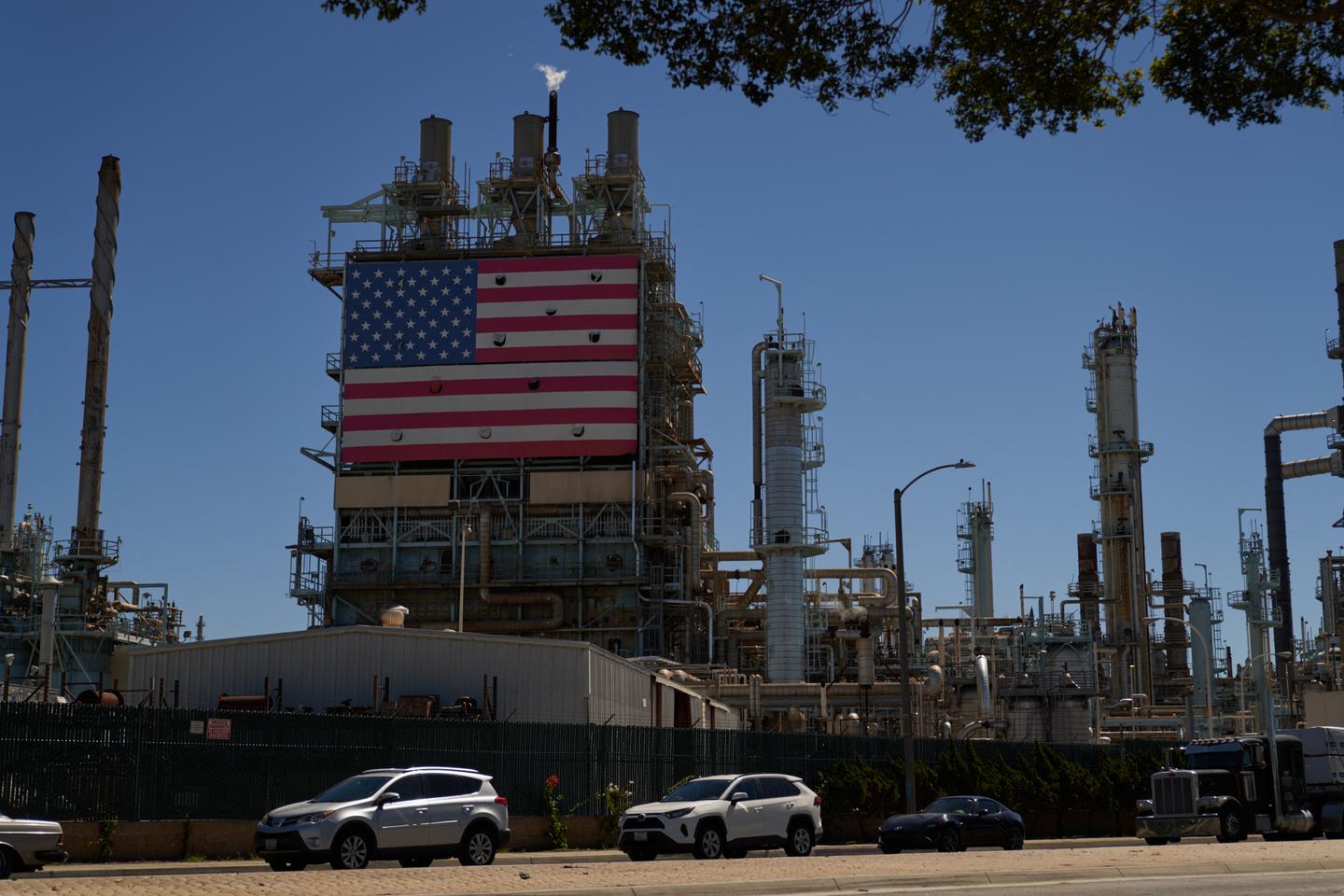
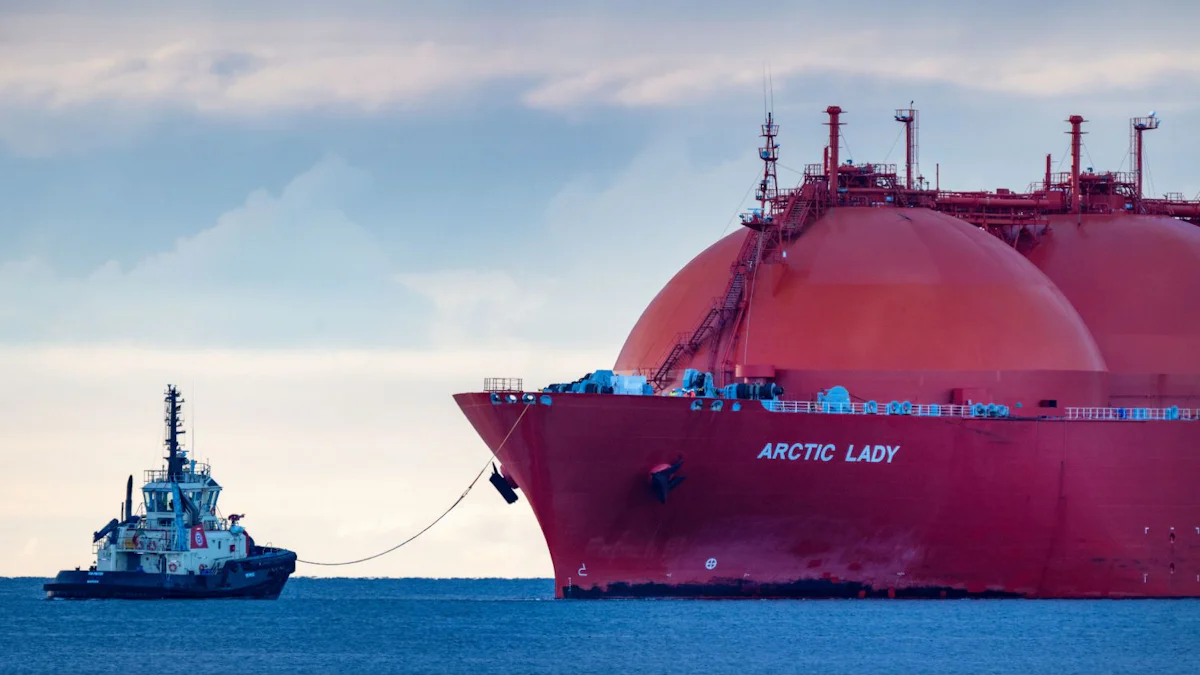
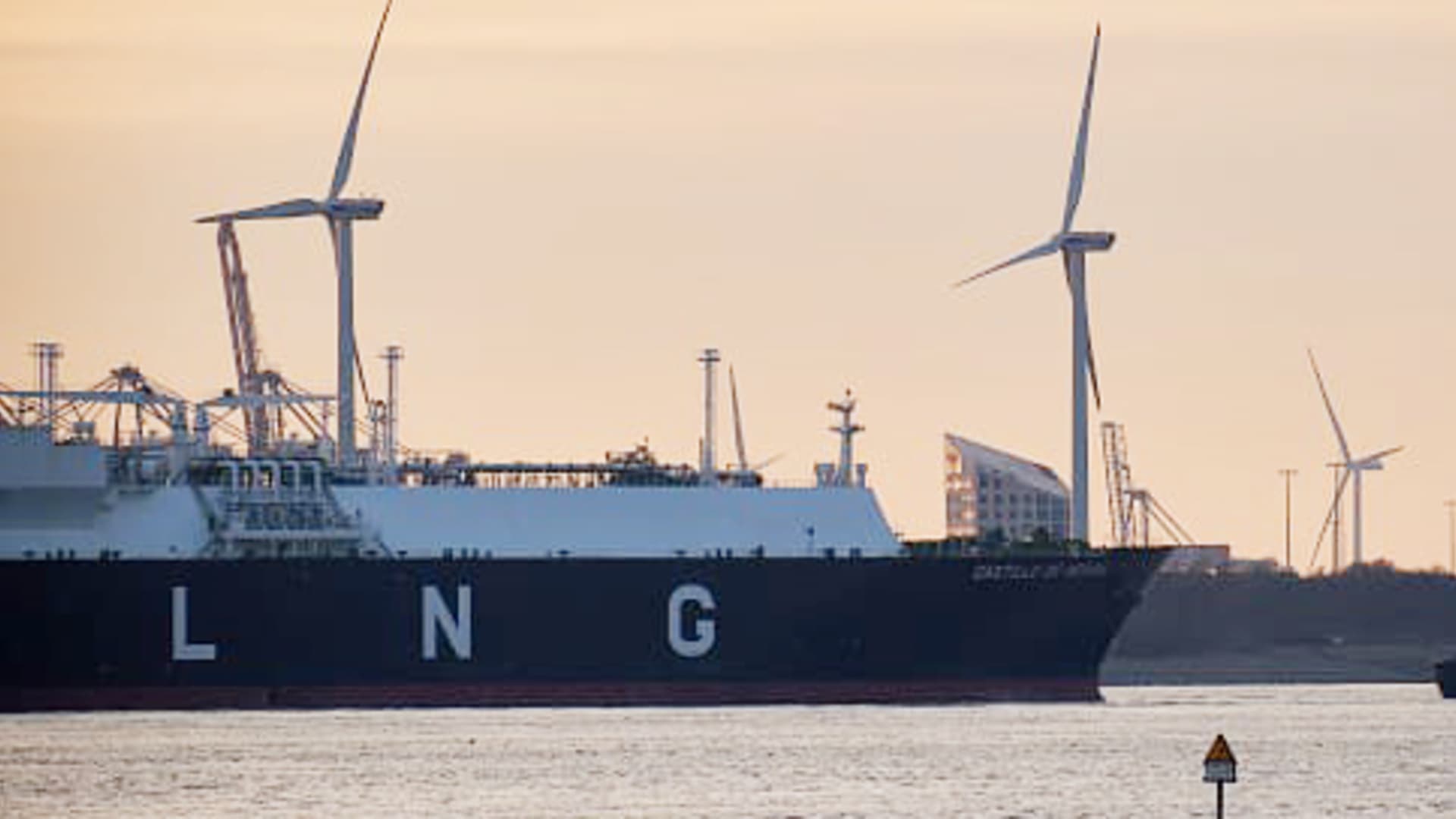
The massive energy purchases in the deal are unrealistic due to market and political constraints, analysts said. The EU cannot force member states and companies to buy U.S. energy just as the Trump administration cannot force producers to sell to Europe, said Mathieu Utting, an analyst at Rystad Energy.
“This is non-binding. It’s a pledge,” said Erik Brattberg, an expert on Europe at the Atlantic Council, a think-tank with a focus on international affairs. “The EU itself doesn’t buy energy. It would be member states or companies from member states.”