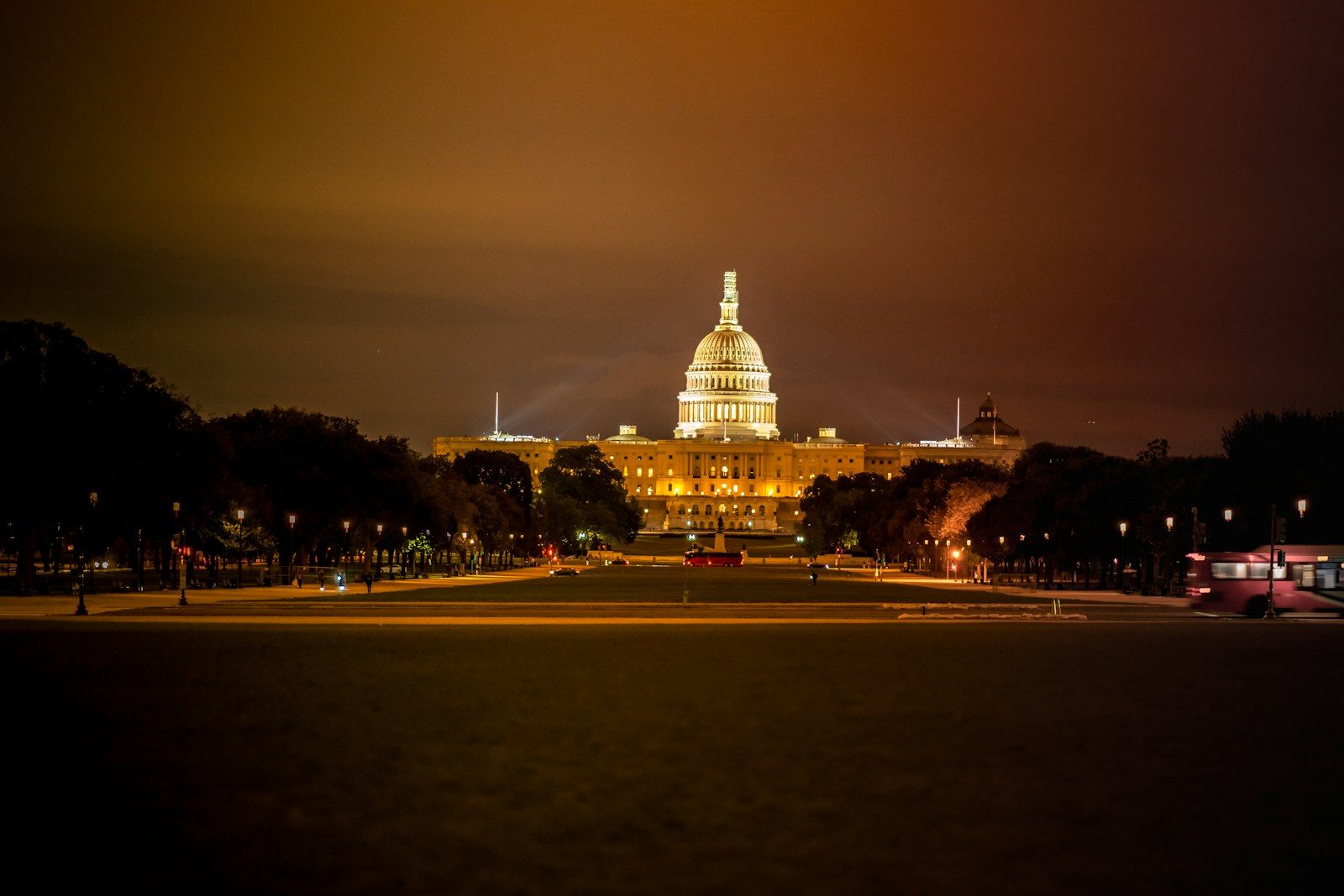
The US nuclear sector is understandably focused on leveraging Washington's ever-expanding portfolio of policy support for new nuclear deployments, but what may ultimately turn out to be just as important is state-level support. Lawmakers in dozens of states are introducing record amounts of legislation meant to advance nuclear projects, as governors create offices or advisory groups meant to help stand up statewide deployments.
Multiple states are now incorporating nuclear energy into decarbonization initiatives, working to attract deep-pocketed hyperscalers looking to build power-hungry data centers, or both.
"I've been tracking state legislation for over 10 years, and when I first started tracking state legislation, there were maybe five or 10 bills that even said the word 'nuclear,'" Christine Csizmadia, senior state government affairs director at the Nuclear Energy Institute (NEI), told Energy Intelligence. "Now this year, we're tracking over 300 bills."
For the moment, most state funding remains largely limited to preconstruction project development efforts such as feasibility studies, regulatory engagement and early site work. That's relatively modest compared to the subsidies in place at the federal level, where the nuclear industry has managed to preserve access to billions in investment and production tax credits — although more stringent eligibility requirements could hamper their effectiveness — and to $200 billion in available loan authority and $1 billion in credit subsidy at the US Department of Energy (DOE) Loan Programs Office.