Weaving is central to cultural life in Samoa but climate change is disrupting conditions needed for plants used to make the intricate mats
I
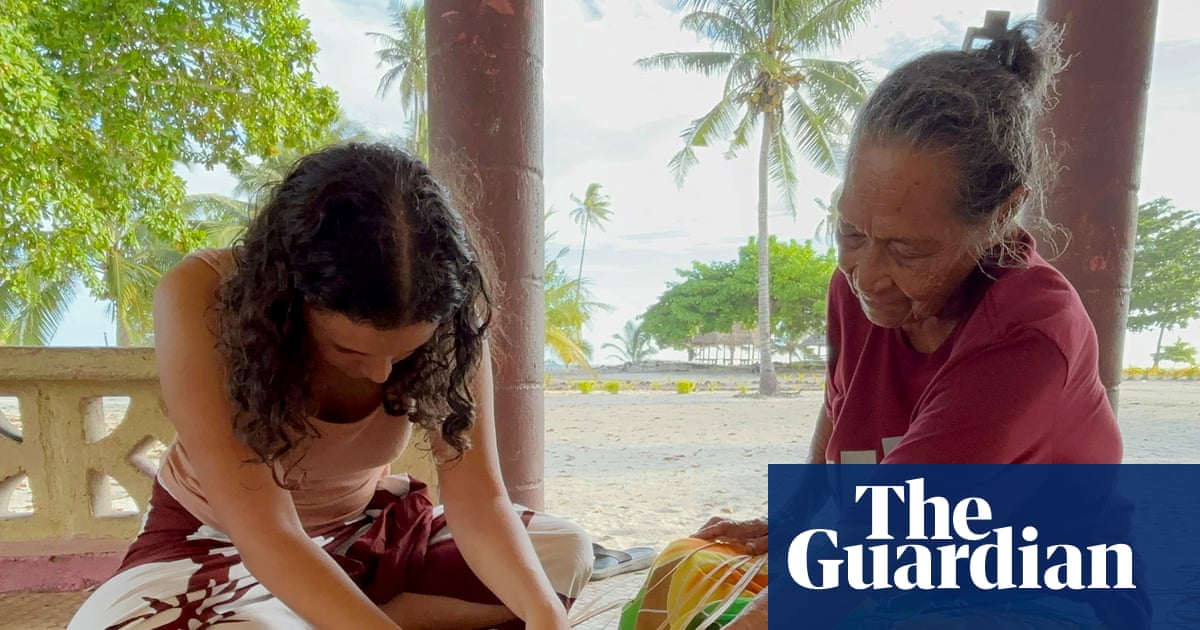
n the Samoan village of Neiafu, Amio Pei Ioane sits with a group of women in a weaving house. Around her, rolls of stripped pandanus leaves, the spiky-leaved plant used to make woven mats, rest in bundles.
She began weaving when she was 15, assisting the village group before eventually joining the central line of weavers working on a large ceremonial mat. Now, she is the matua u‘u, or elder master weaver, offering guidance and encouragement to others
“I have done this for too long, it’s now their turn,” she says. The women are creating a mat for a village event, working from first light until just before sunset.