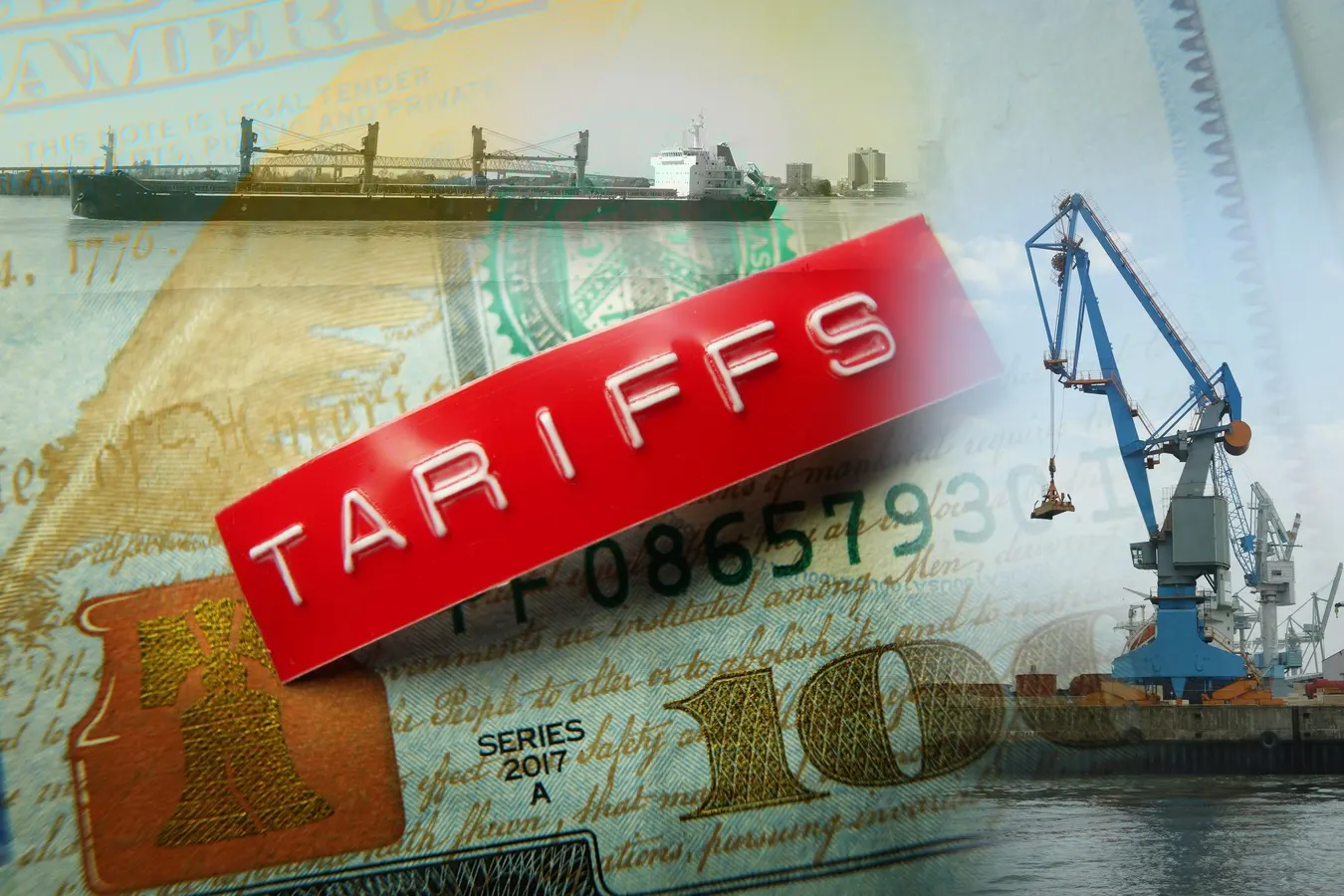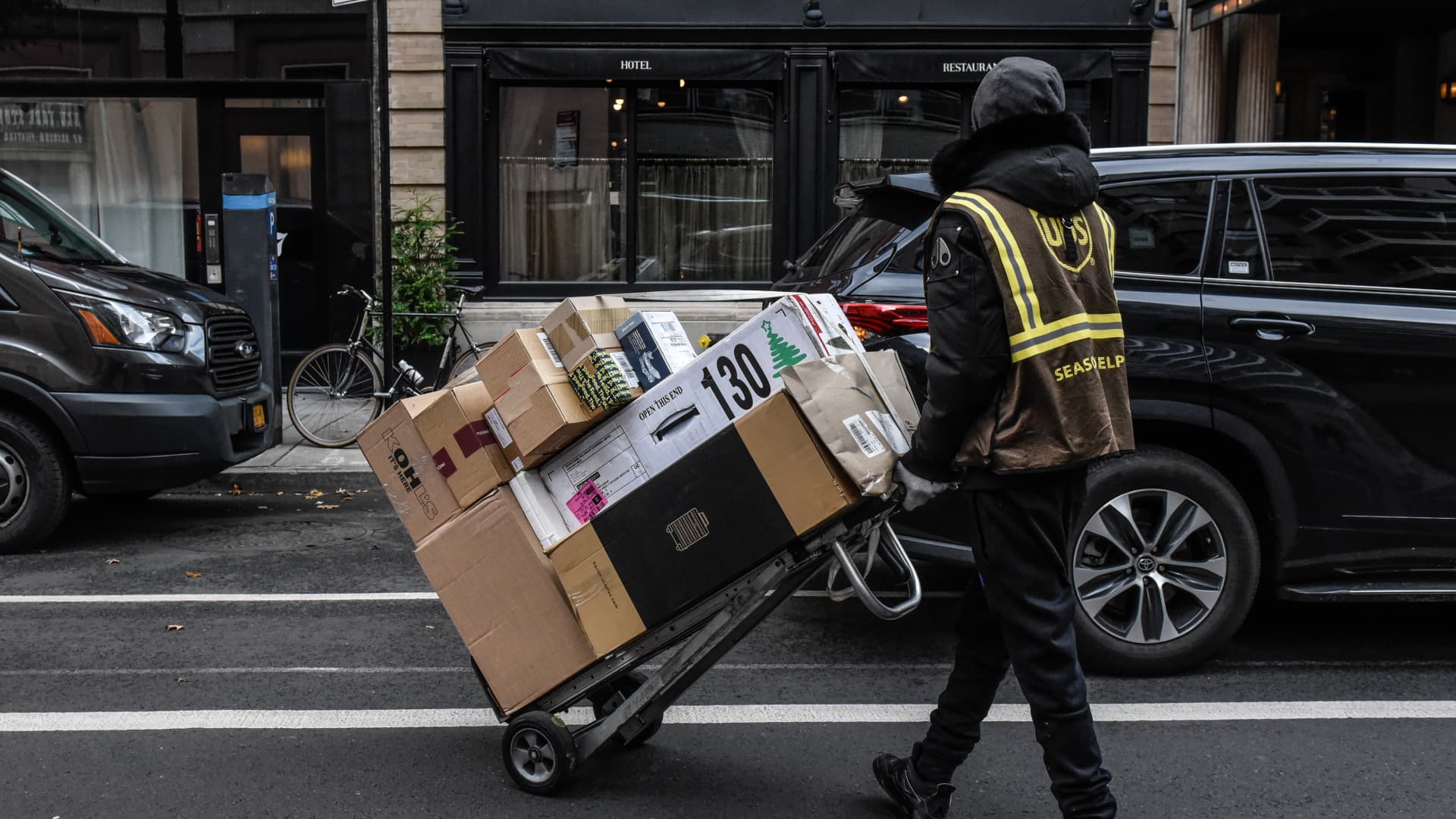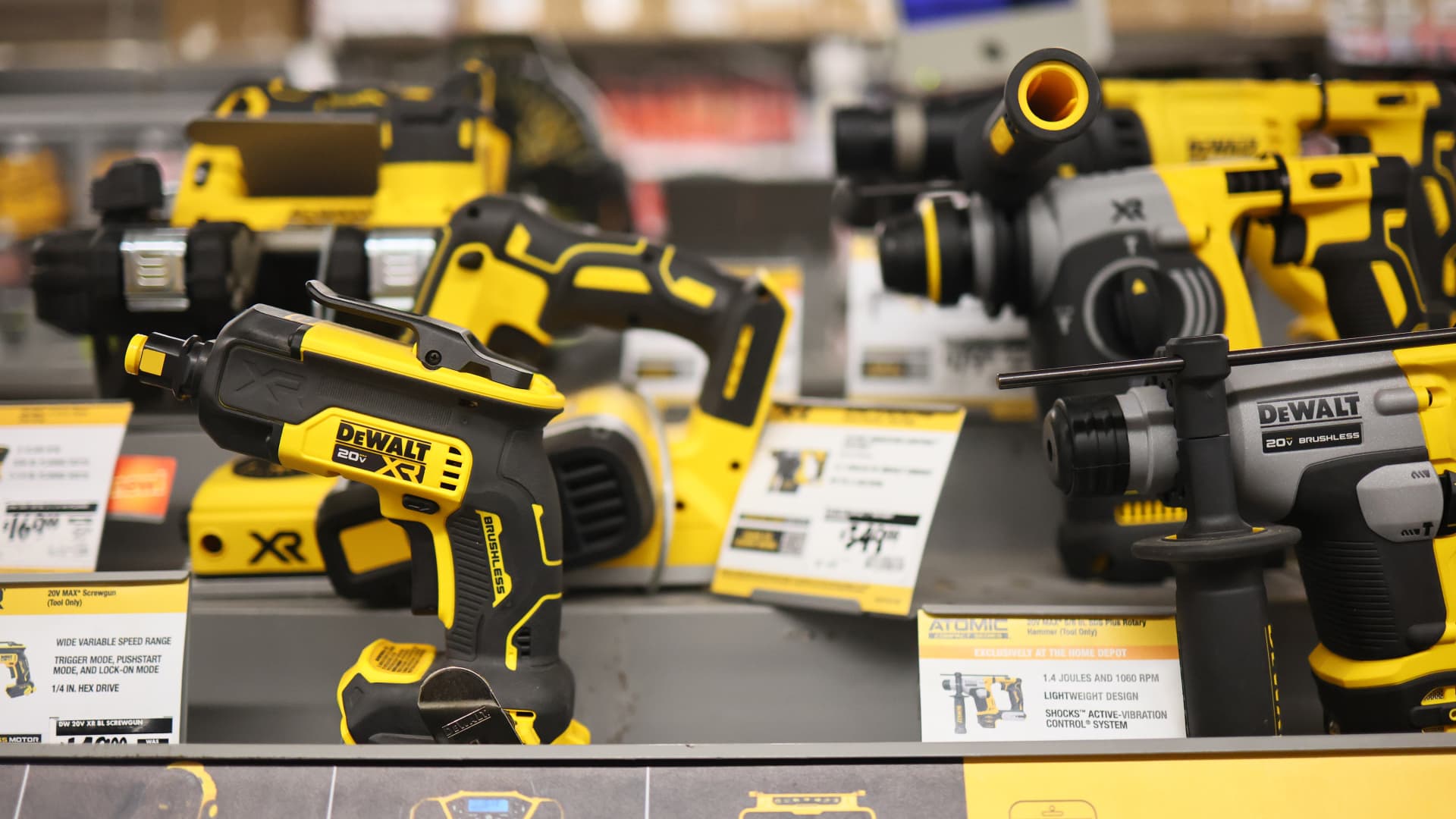
Imagine it's April 2025 and you're the owner of a small, but fast-growing, e-commerce business. Historically, you've sourced products from China, but the president just announced tariffs of 145% on these goods.
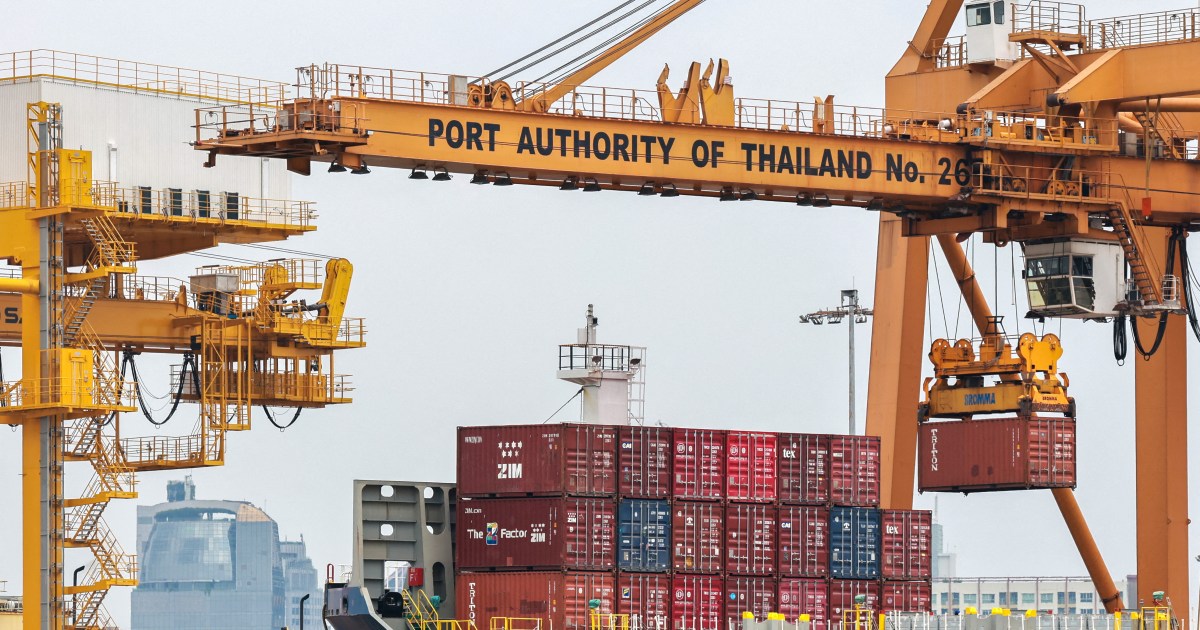
Do you set up operations in Thailand -- requiring new investment and a lot of work -- or wait until there's more clarity on trade? What if waiting too long means you miss your chance to pull it off?
This isn't a hypothetical -- it's a real dilemma faced by a real business owner who spoke with one of us over coffee this past spring. And she's not alone. As of 2023, of those U.S. companies that import goods, more than 97% of them were small businesses. For these companies, tariff uncertainty isn't just frustrating -- it's paralyzing.
As a family business researcher and former deputy administrator of the U.S. Small Business Administration and entrepreneur, we hear from a lot of small-business owners grappling with these challenges. And what they tell us is that tariff uncertainty is stressing their time, resources and attention.
The data backs up our anecdotal experience: More than 70% of small-business owners say constant shifts in trade policy create a "whiplash effect" that makes it difficult to plan, a recent national survey showed.