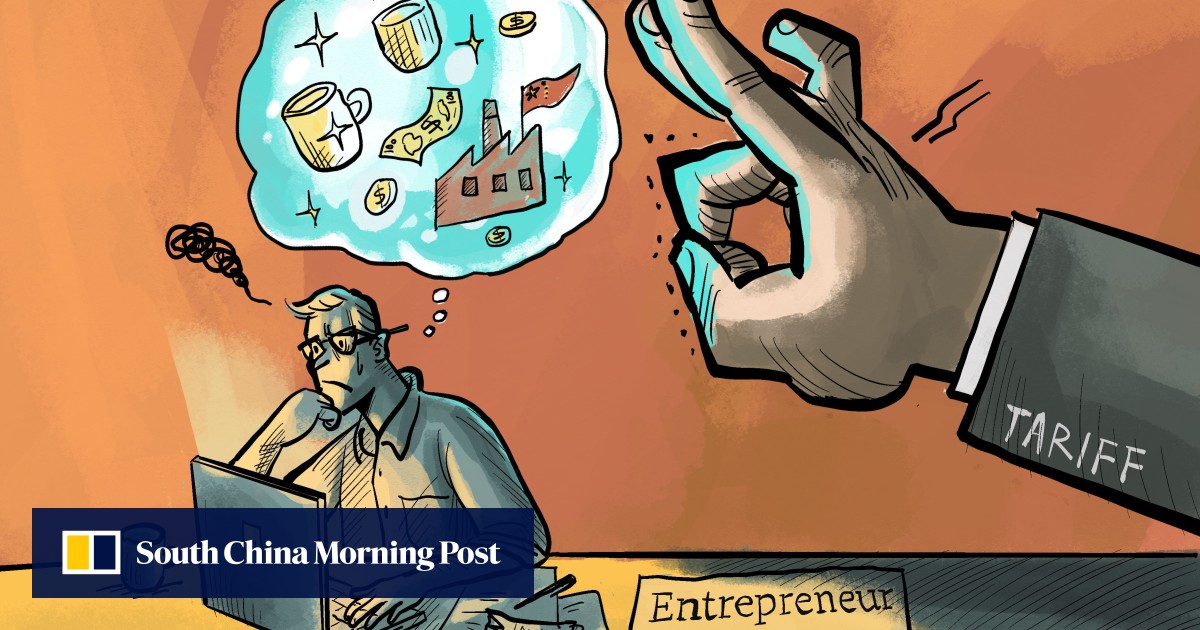
Cost uncertainty has fallen heavily on 34 million US small businesses lacking the profit margins and sourcing options multinationals wield
In 2017, tired of supporting other people’s entrepreneurial dreams and watching e-commerce take off, Matt Rollens started Dragon Glassware in his garage with US$10,000 from savings and a small inheritance. A tea drinker, his first idea was a glass vacuum flask. But the prototype fell short, so he settled on drinking glasses as the US microbrewery craze exploded.
Over the next eight years, he built ties with skilled Chinese factories and expanded into licensed Barbie and Wicked drinkware as annual revenue grew tenfold to US$5 million. The future looked bright for Dragon Glassware, a case study in entrepreneurship and US–Chinese partnerships.
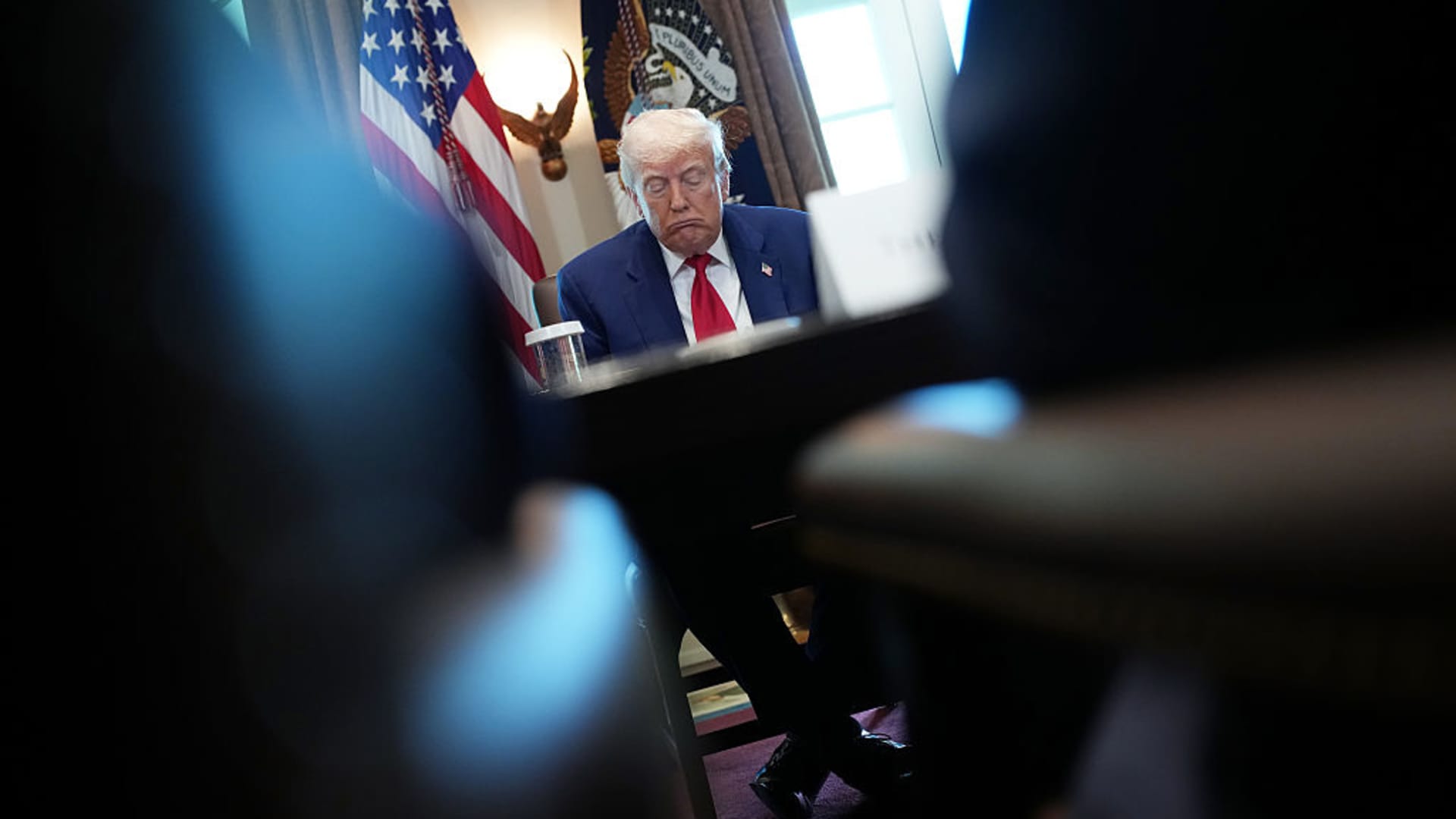
Until Donald Trump was re-elected US president, that is.
Within months, US$582 billion in US-China trade was upended as Trump imposed tariffs on Chinese imports, raising them in rapid-fire fashion, from 10 to 20 to 74 to 125 to 145 per cent – before a dizzying descent to 30 per cent.