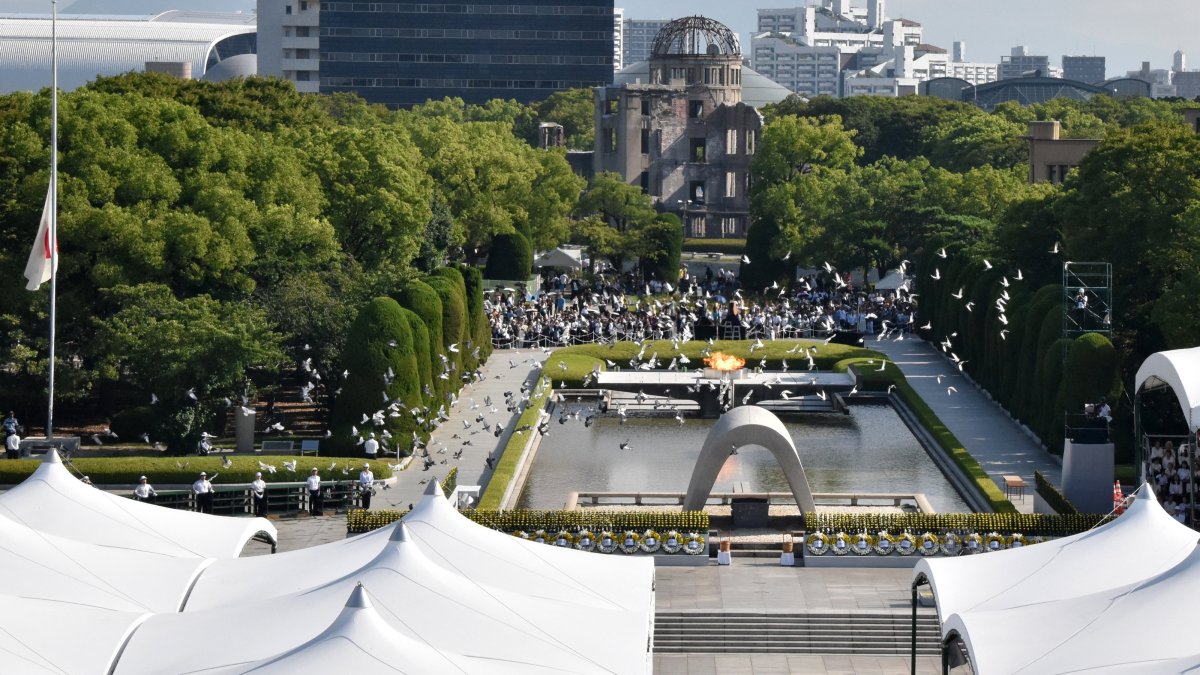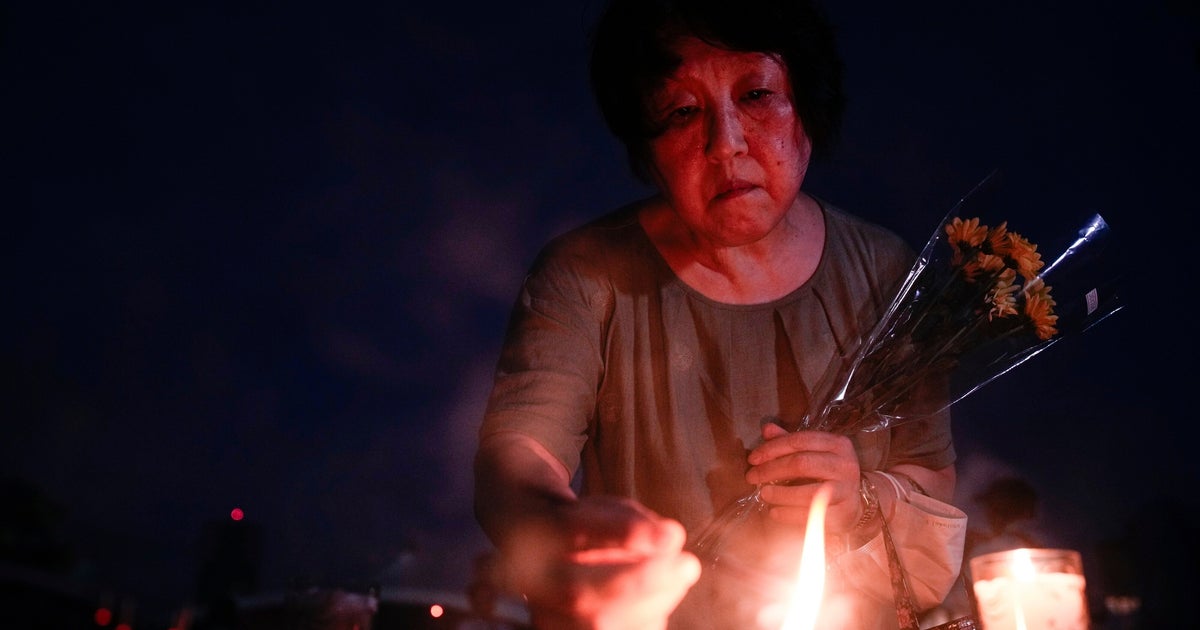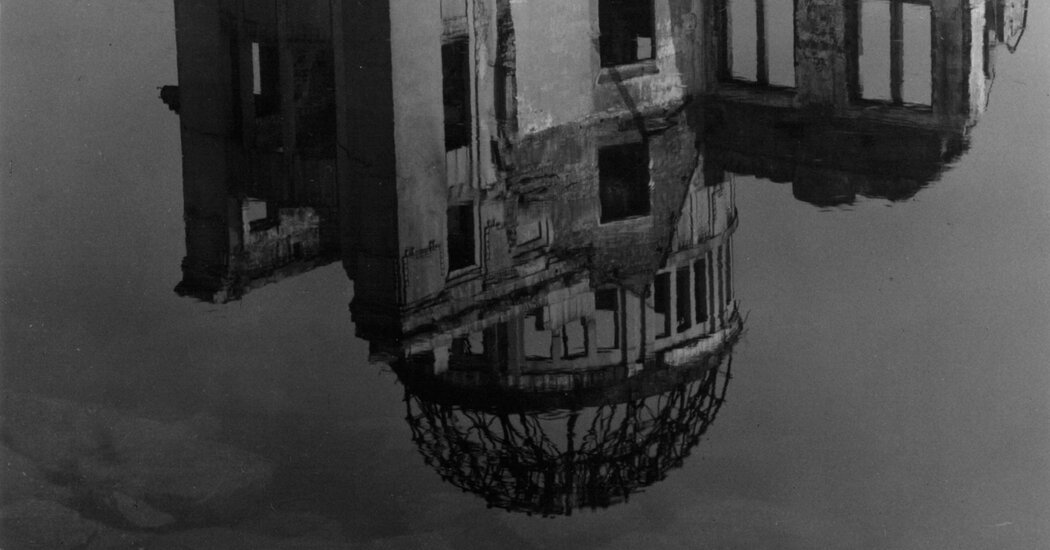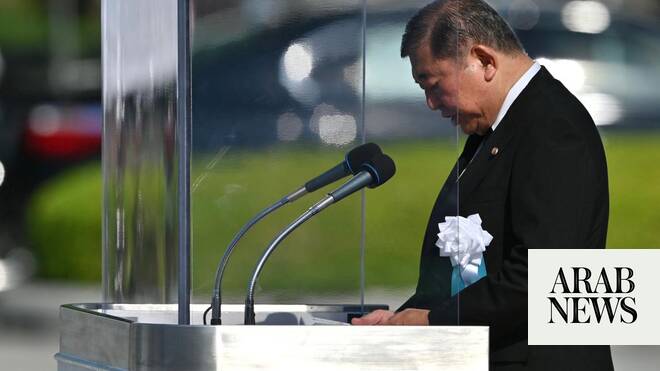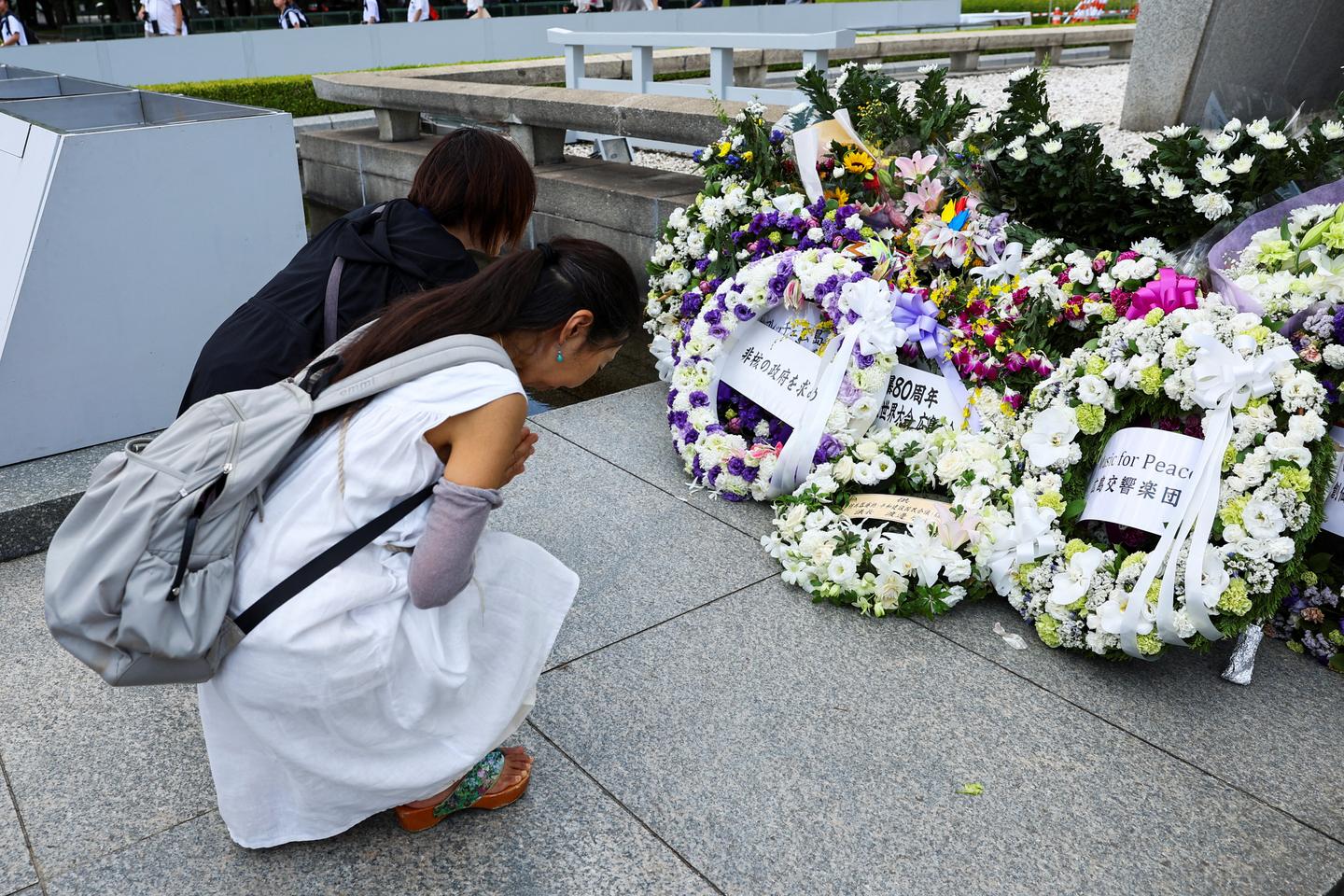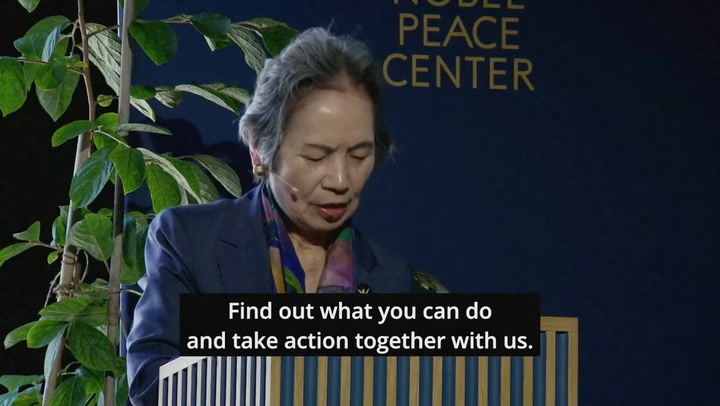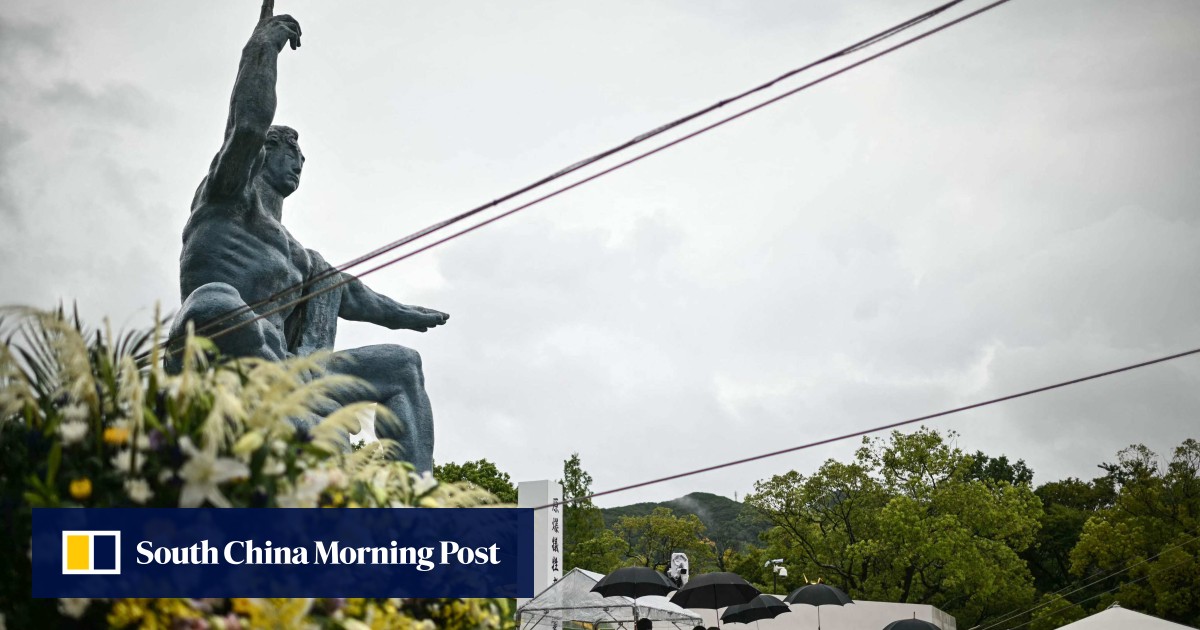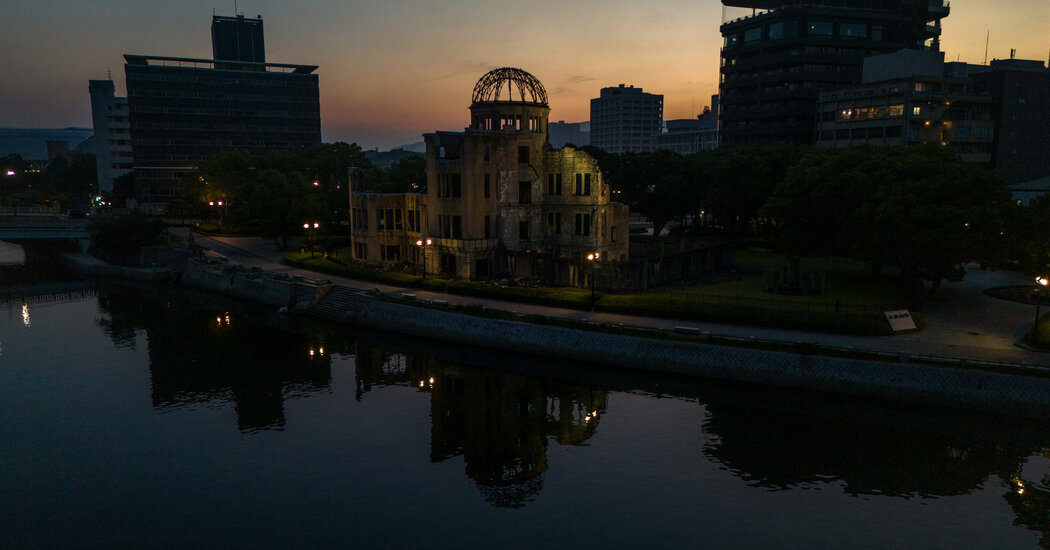
Eighty years after the atomic bombings of Hiroshima and Nagasaki, many of Japan’s remaining survivors are voicing growing frustration over the global resurgence of nuclear threats and the perceived normalization of atomic weapons by world leaders.
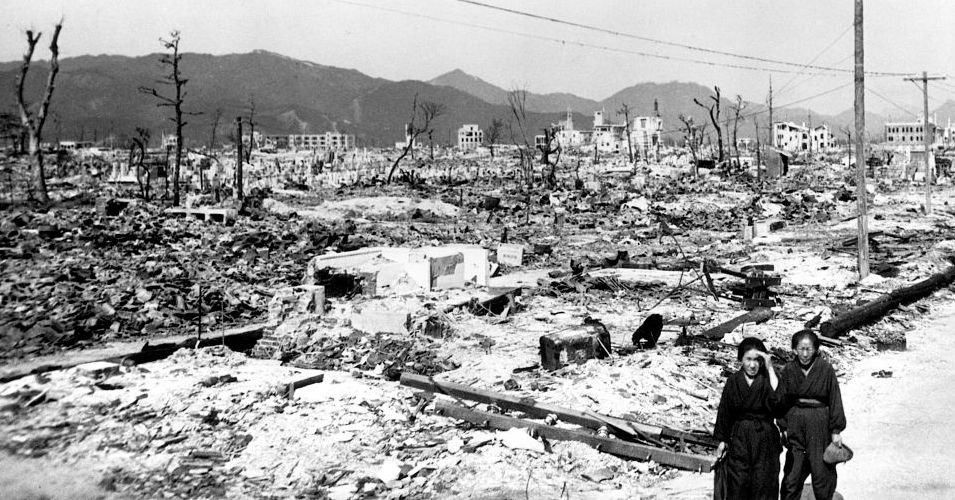
The United States dropped the first atomic bomb on Hiroshima on Aug. 6, 1945, followed three days later by a second strike on Nagasaki.
By the end of that year, more than 200,000 people had died. Thousands more survived, only to endure decades of radiation-related illnesses and lingering trauma.
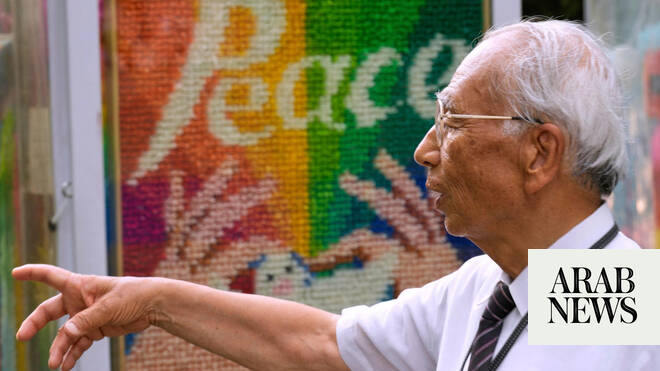
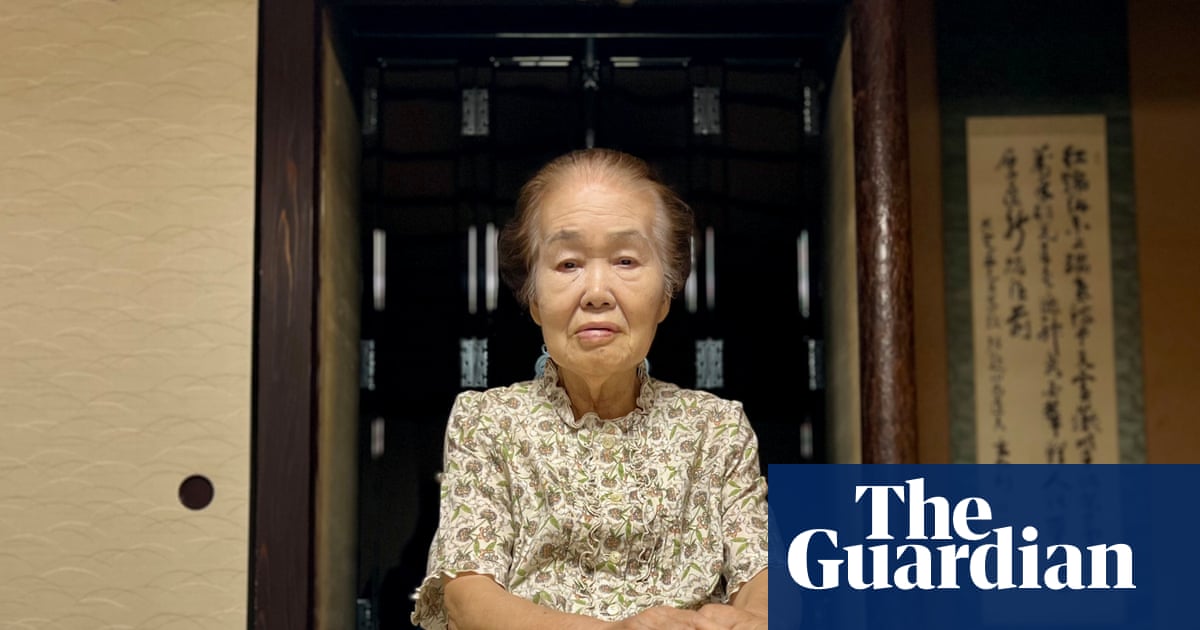
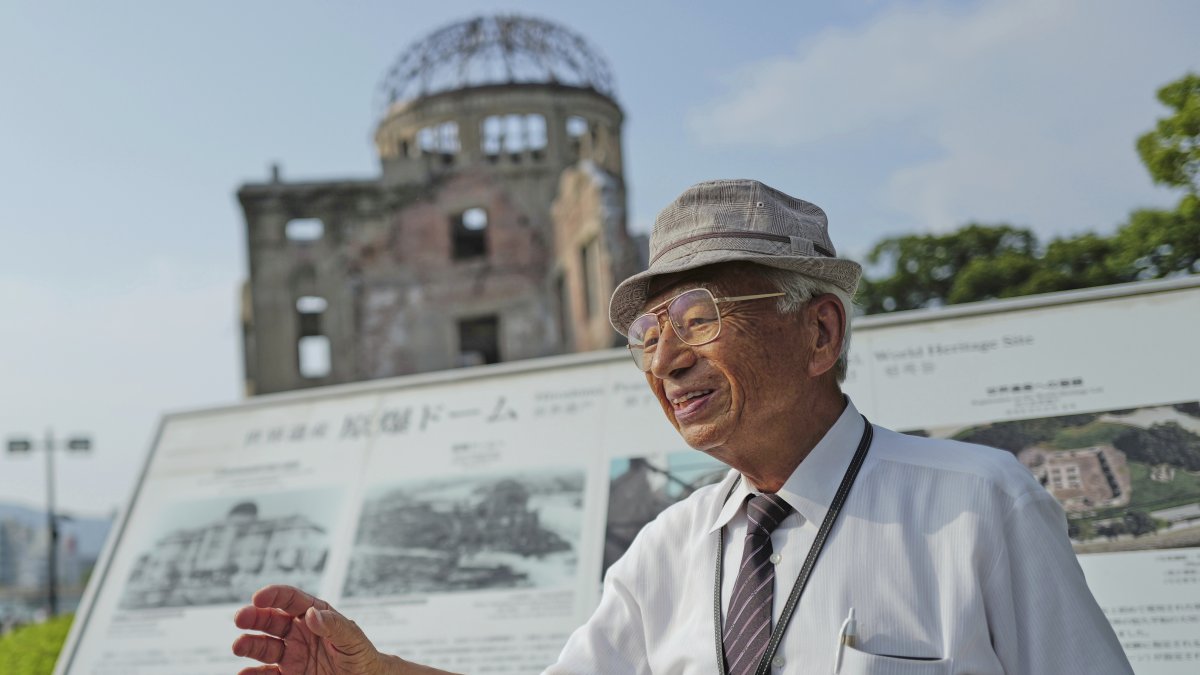
Roughly 100,000 survivors – known in Japan as hibakusha – are still alive.
Many spent their lives in silence, concealing their experiences to shield themselves and their families from the deep-rooted discrimination that still shadows atomic bomb survivors. Others remained quiet, unable to revisit memories too painful to speak aloud.