The likely closure of one of Germany’s most famous gay dance venues is a depressing sign of the times, as cherished institutions struggle to stay afloat
R
eflecting on his burst of musical creativity in 1970s West Berlin, David Bowie reportedly said that recording albums in a studio close to the Wall gave him a “sense of being on the edge … I need the dangerous level, emotionally, mentally and physically”. During the 1970s and 80s, Bowie was not alone. The divided, fascinating city was famously a magnet for young people drawn by a music and club scene unique in Europe.
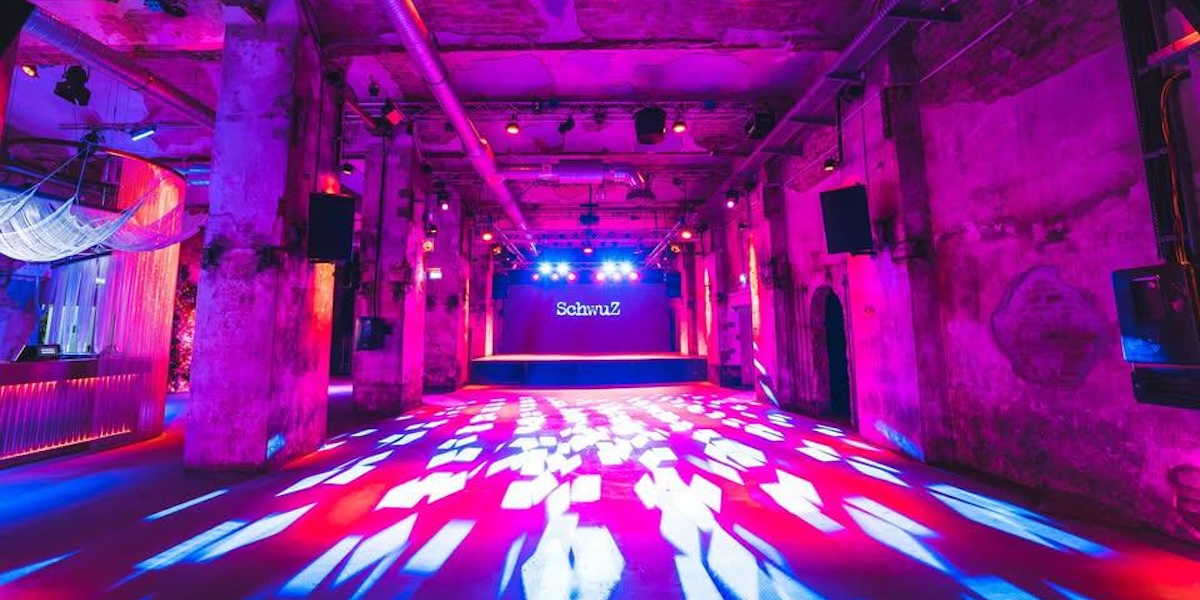
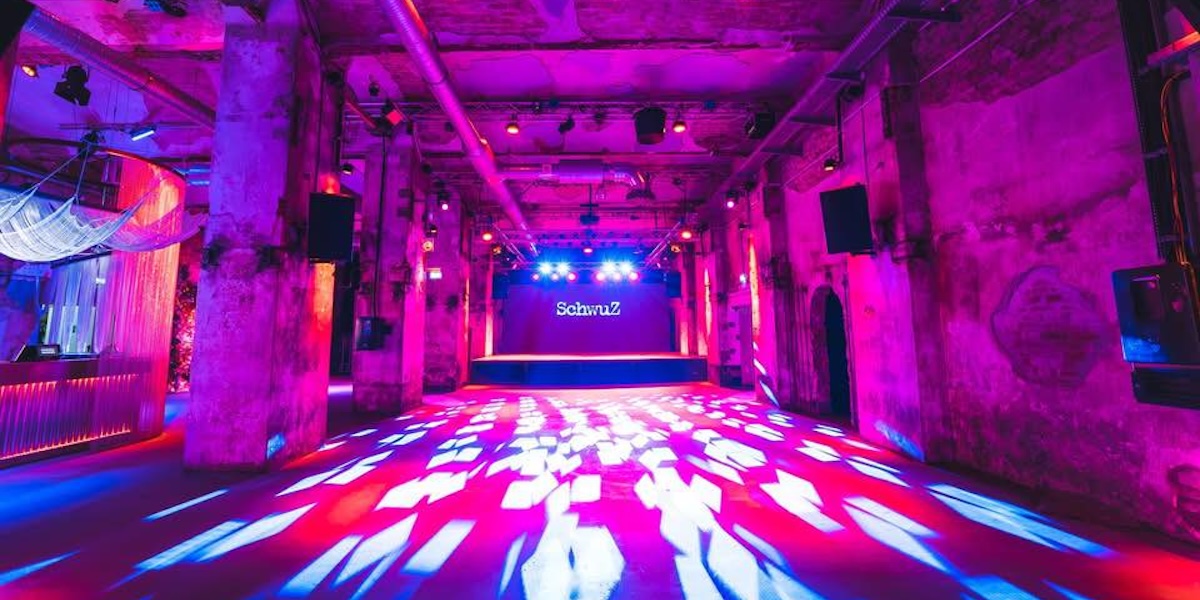
Sadly, living on the edge has these days taken on a different meaning for Berlin clubs struggling to survive in altered times. In a sobering dispatch at the weekend, the Guardian reported that one of Germany’s oldest and most important gay dance clubs has just declared itself bankrupt. Founded in 1977 – the year Bowie brought out his classic Low album – SchwuZ became a pioneering presence in the development of Berlin’s LGBTQ+ networks, and a symbol of the freedoms available in a city with a thriving counterculture. It will stay open until October and has launched a fundraising drive, but the prospects look bleak.
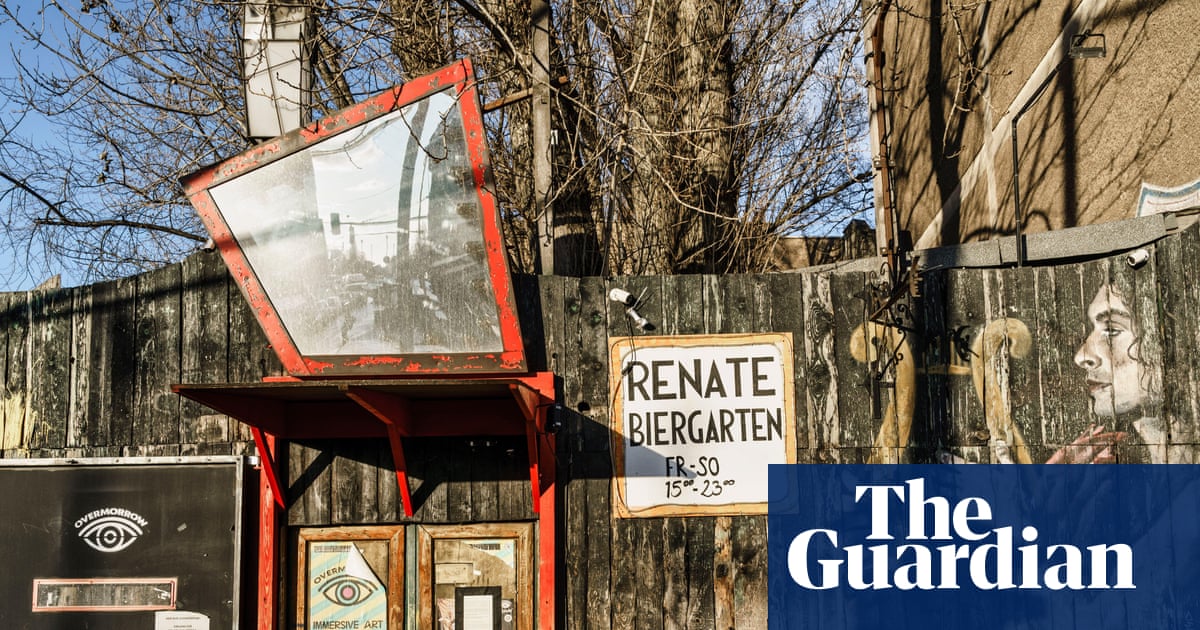
More broadly, Clubsterben (the death of clubs) is becoming an unhappy fact of Berliner life. Industry organisations warn that a combination of factors is undermining a proud cultural inheritance. Some clubs have failed to recover from the impact of the pandemic. Inflation and higher electricity costs have further ratcheted up the pressure.