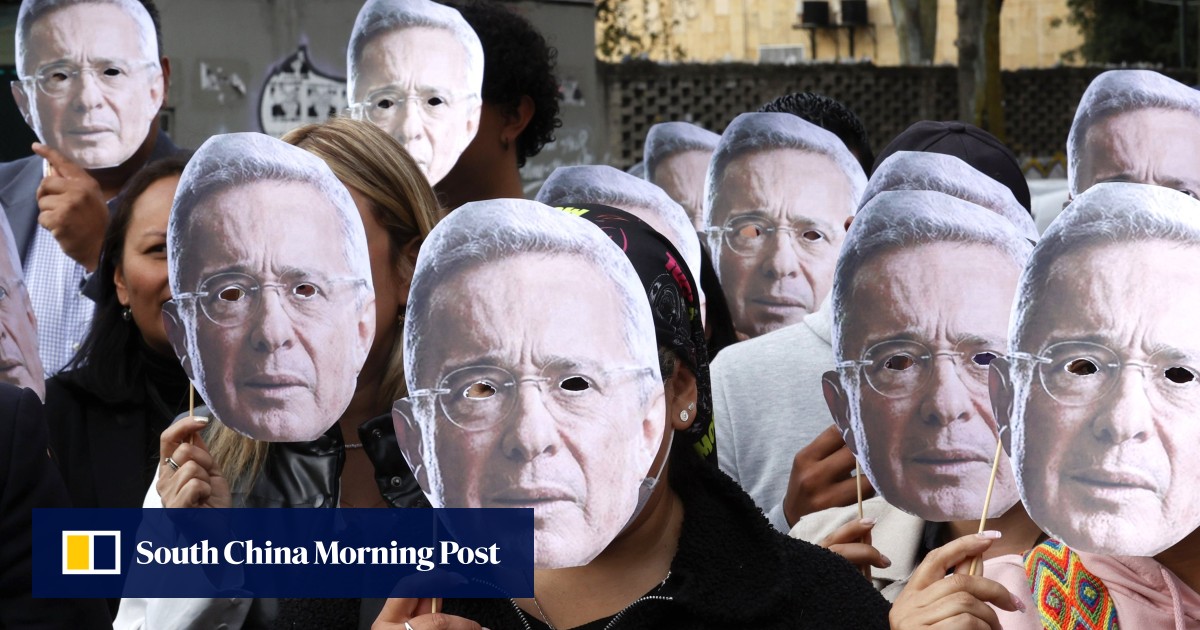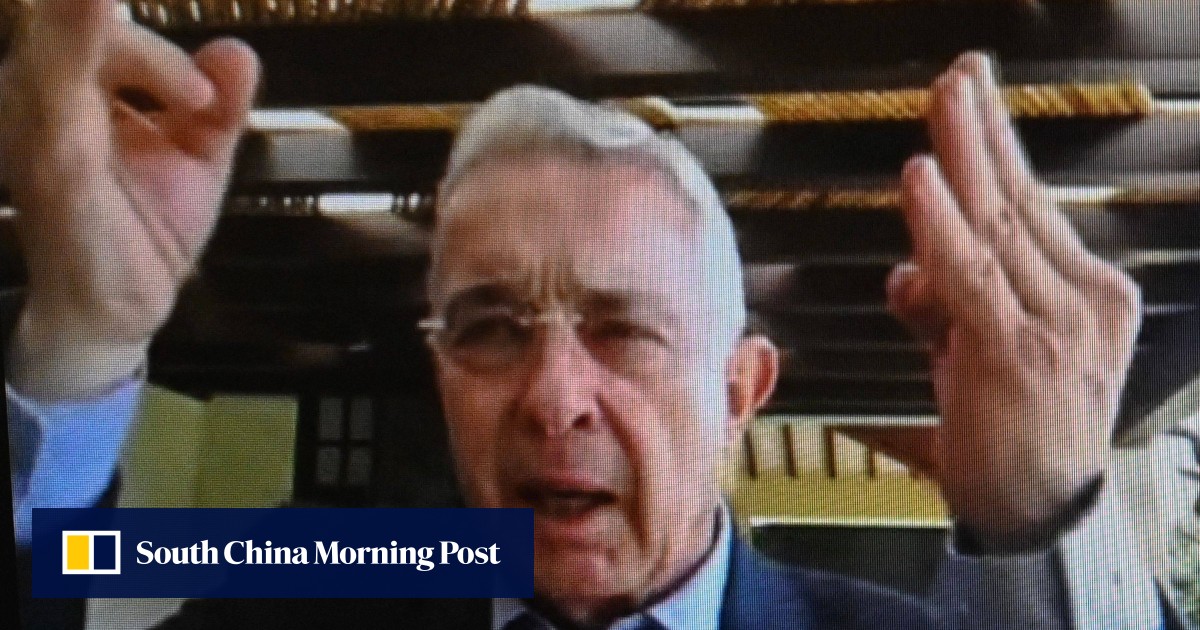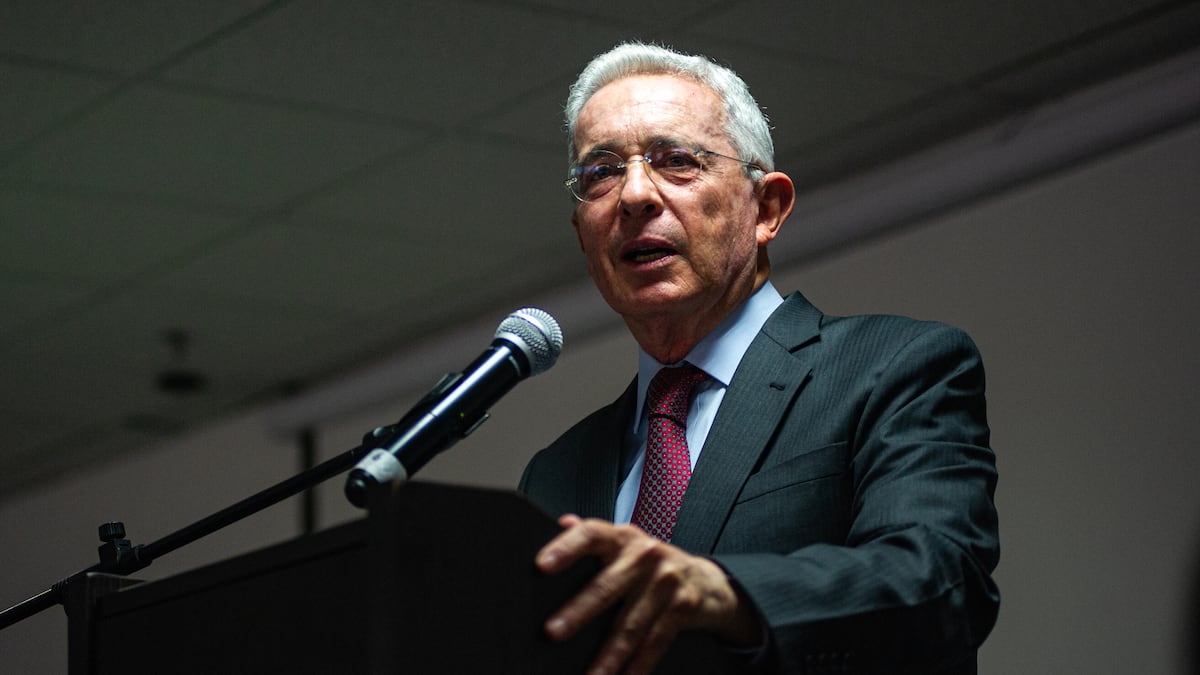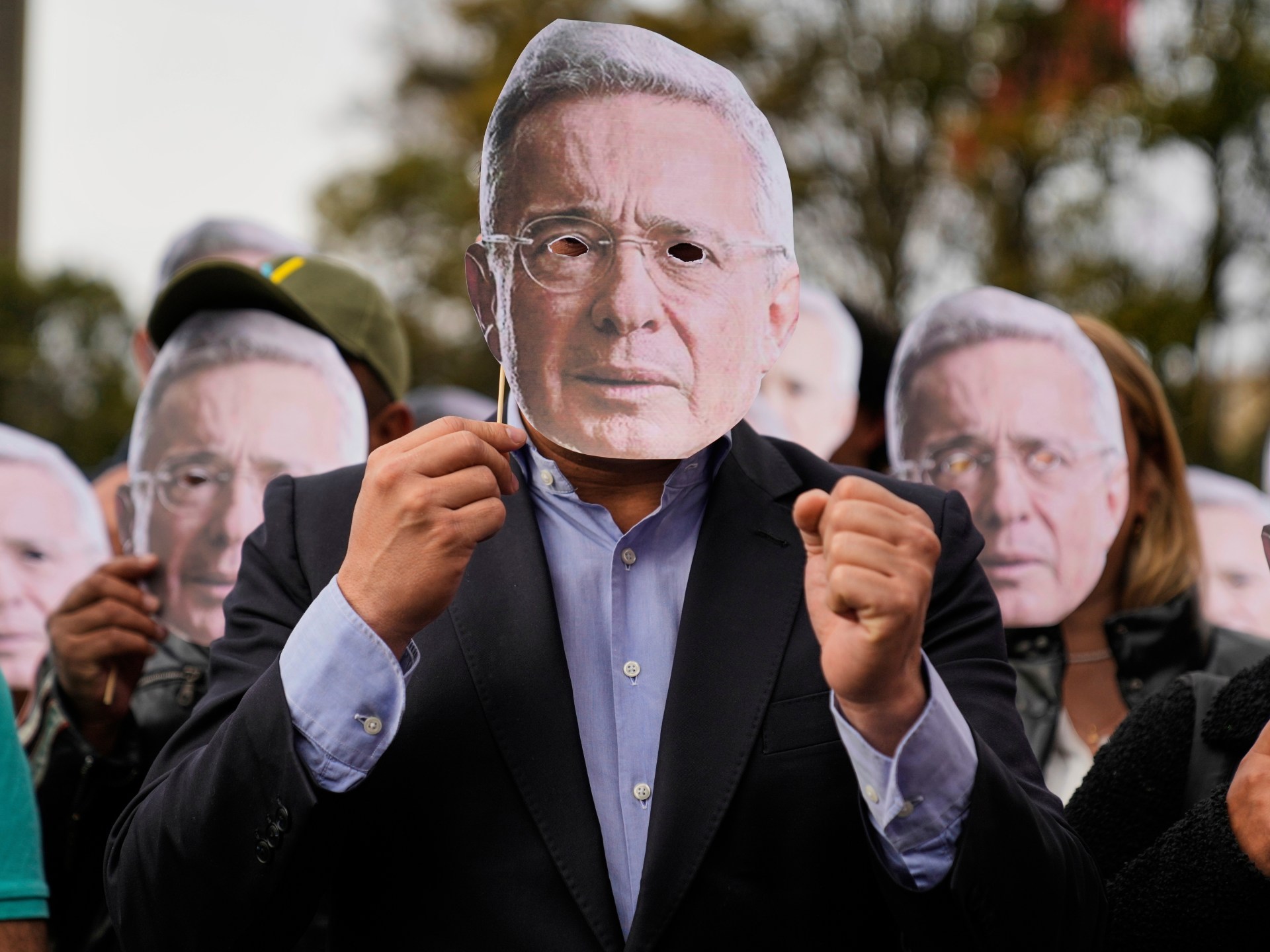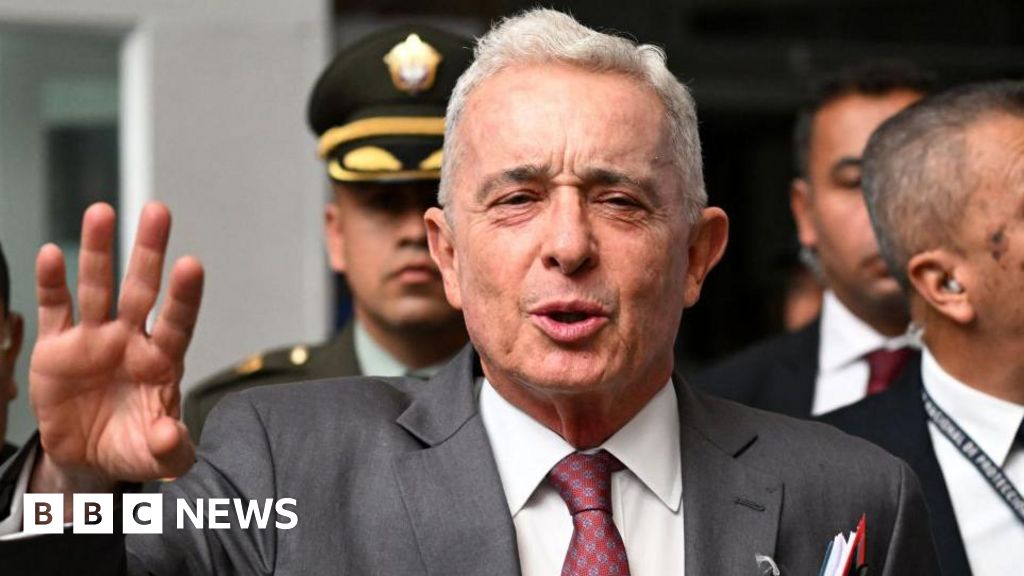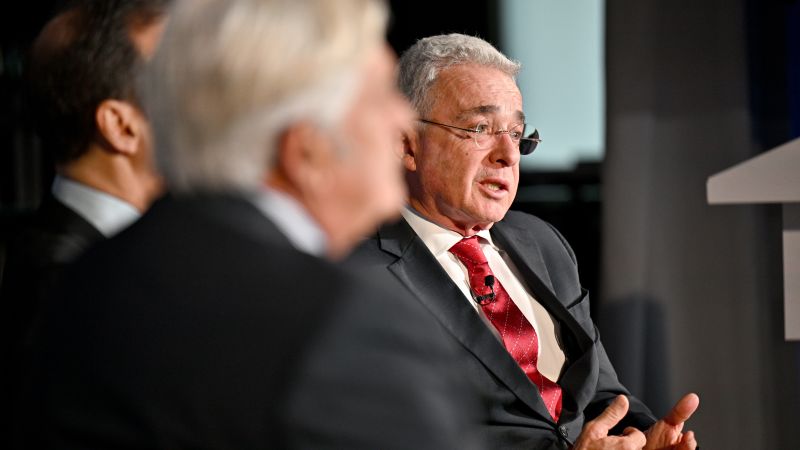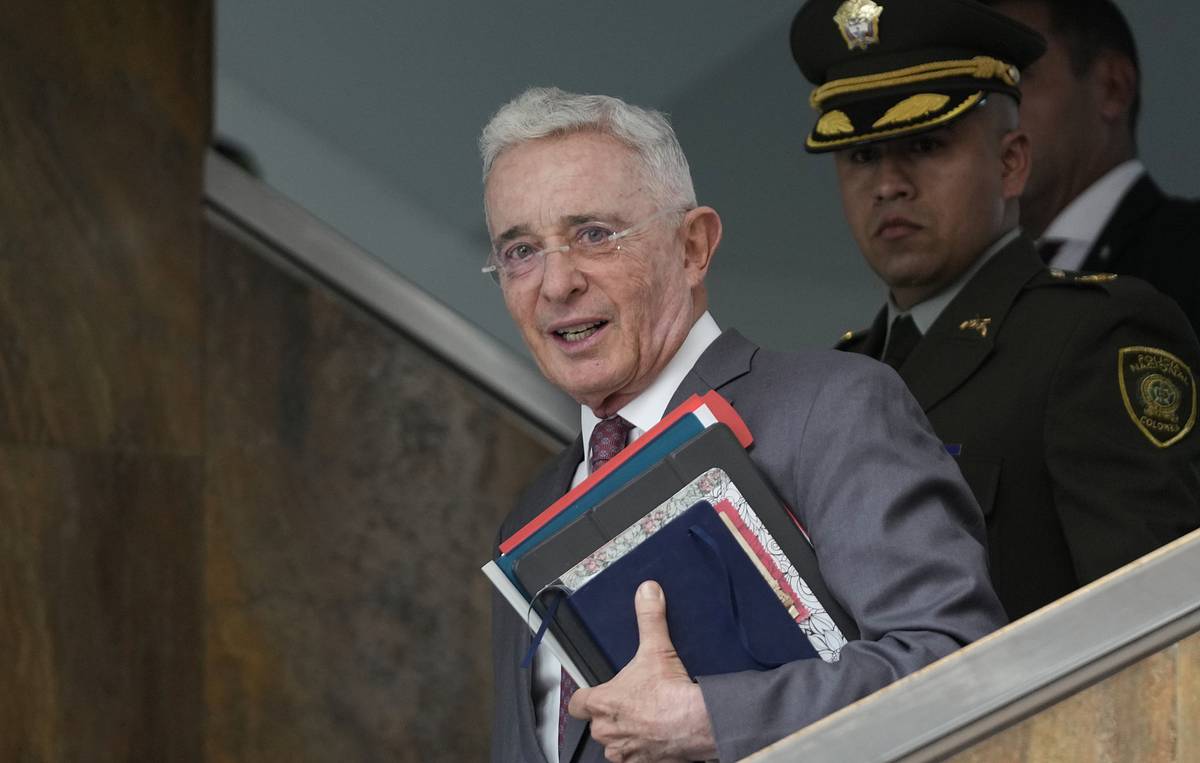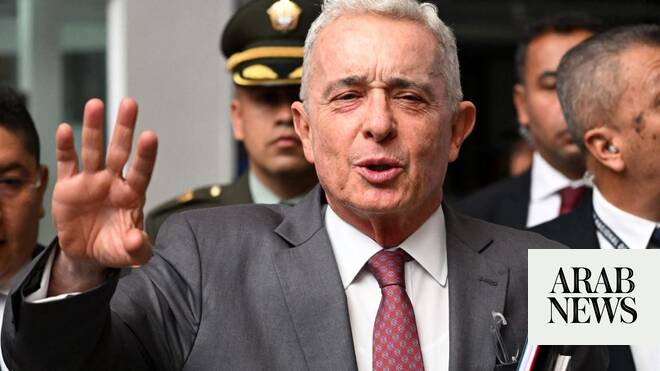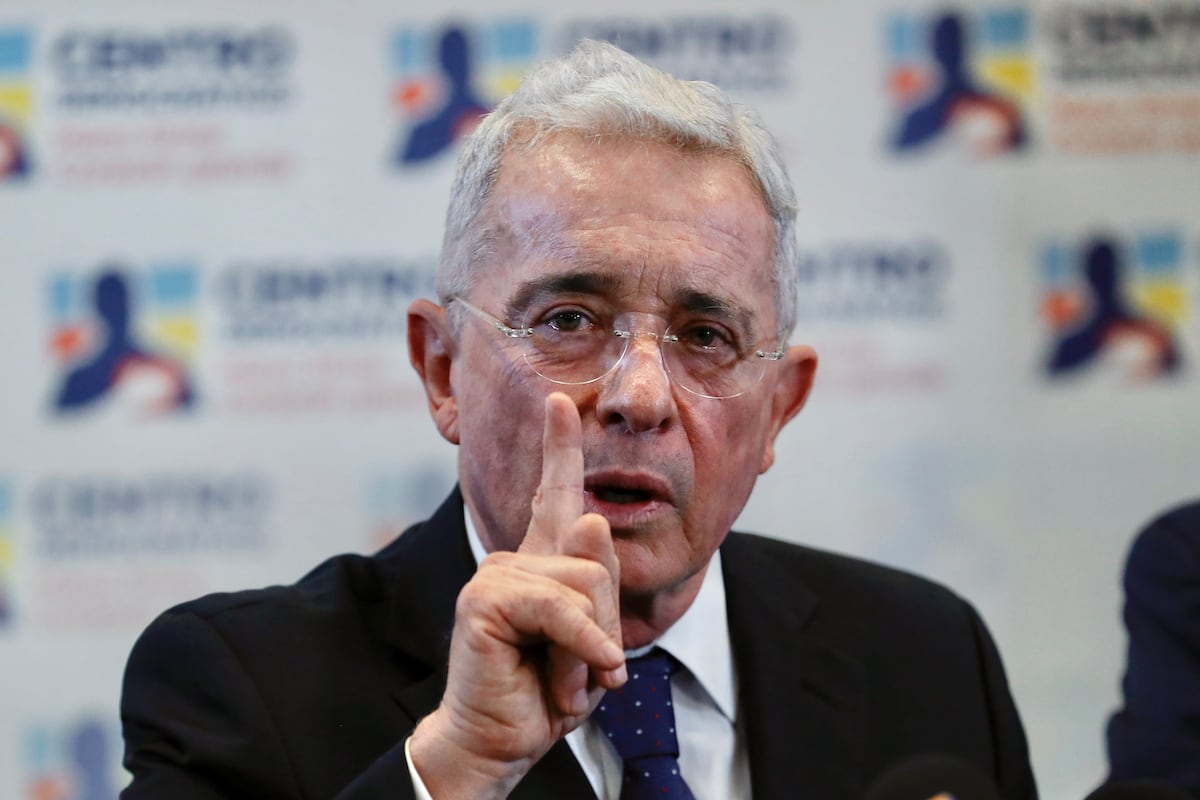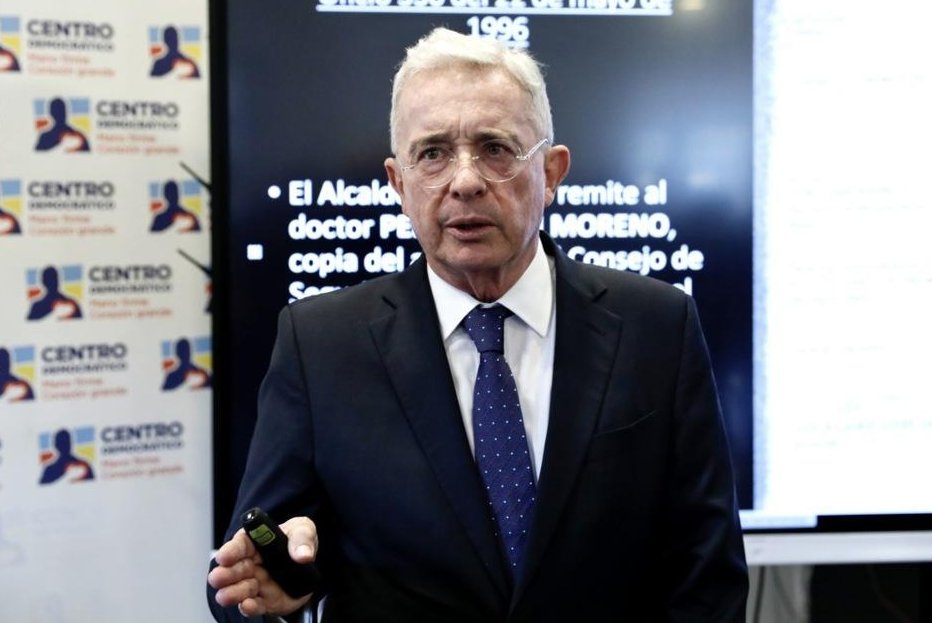
Álvaro Uribe was convicted of bribery in a development that would have seemed inconceivable a decade ago
O
n 25 October 1997, paramilitary groups descended upon the remote 300-person farming town of El Aro, in the Colombian state of Antioquia. Over the next five days, the drug-running paramilitaries slaughtered 17 people, raped multiple women and burned the town down, forcing the remaining townspeople to flee.
The attorney Jesus Maria Valle had been pleading with the state governor, Álvaro Uribe, for over a year to stop the paramilitaries’ brutal takeover of the countryside and collusion with the military. Instead, Uribe labeled Valle an “enemy of the armed forces”. In a statement to prosecutors after the El Aro massacre, Valle asked for a full investigation into what he described as an “alliance” in Antioquia among paramilitaries, the military and Uribe to kill civilians and seize their land, in the name of fighting the country’s leftwing FARC guerrillas. Within days, two men in suits strode into Valle’s law office in downtown Medellin and shot him dead.
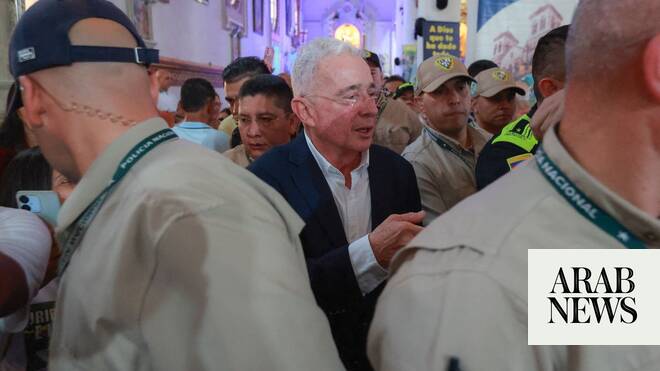
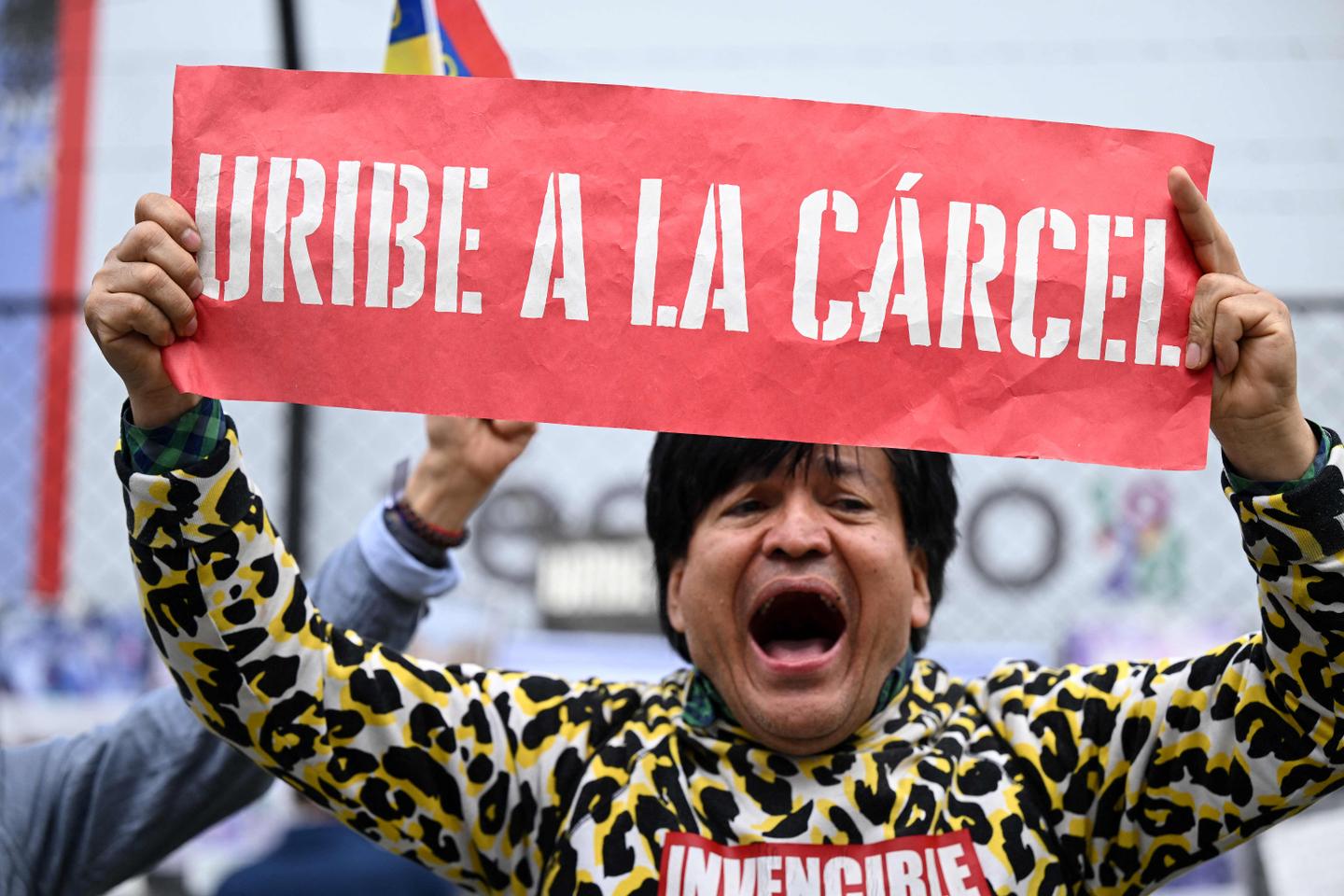
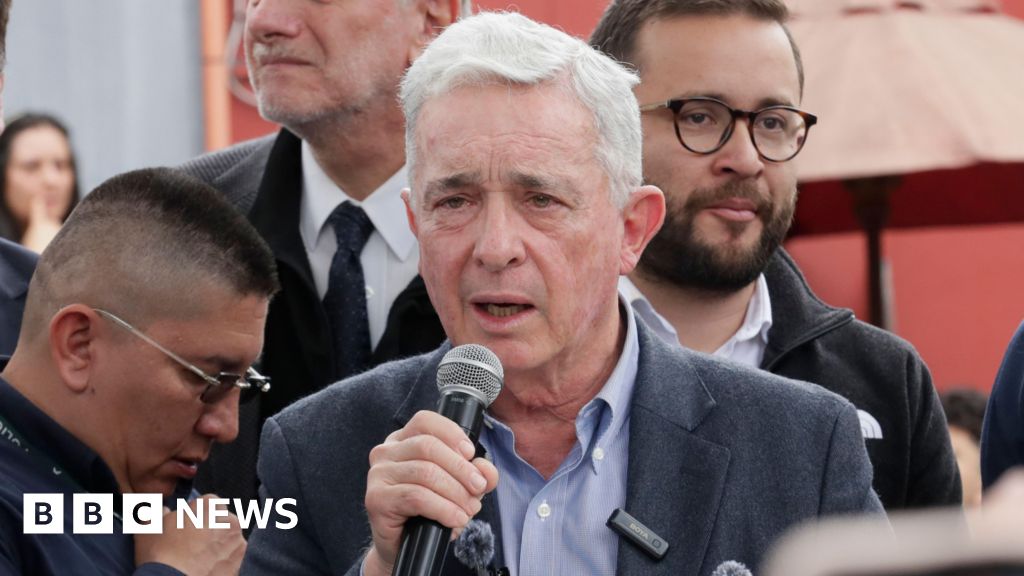
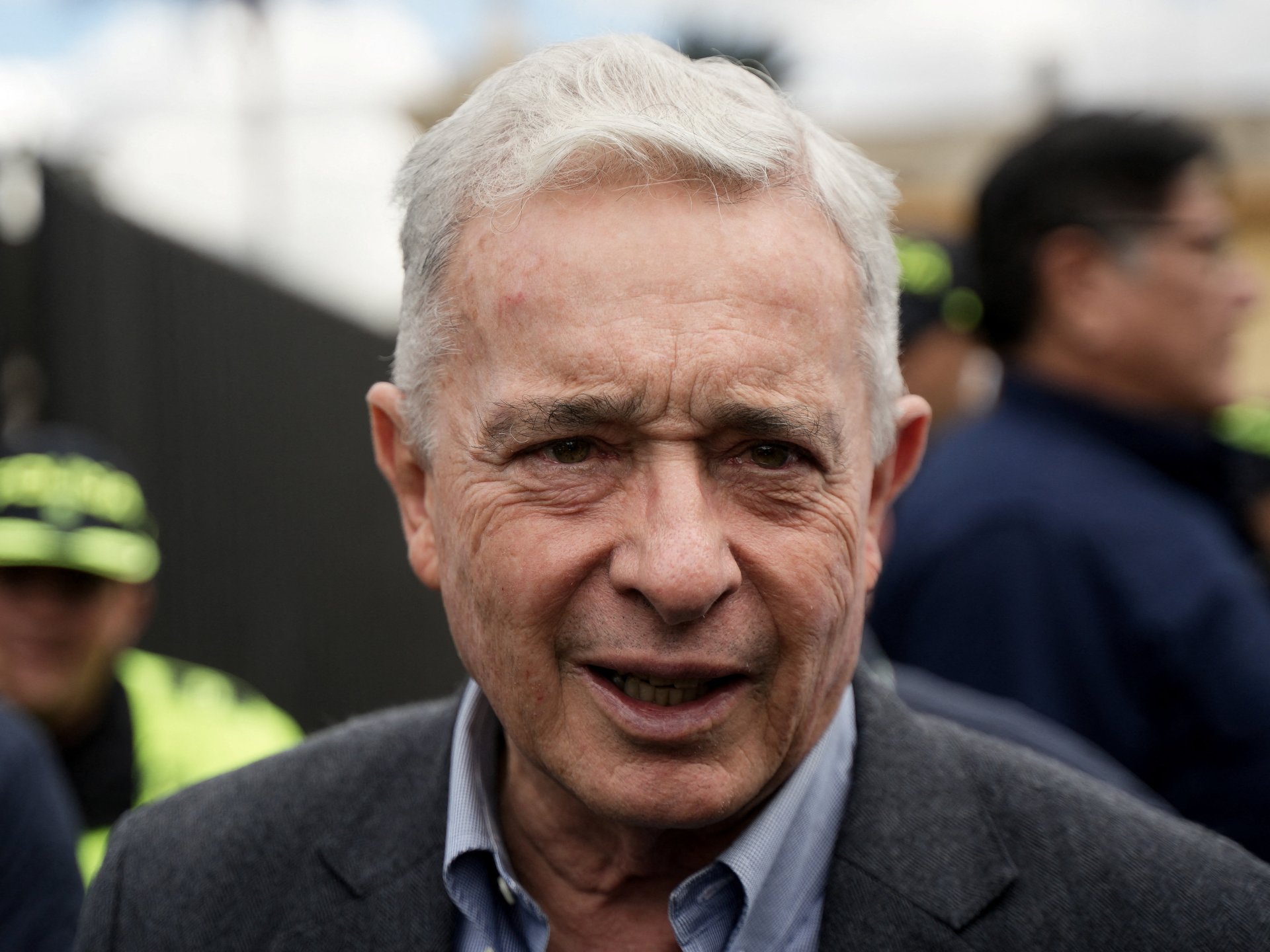
On 1 August, Uribe, who went on to become Colombia’s president in 2002, was sentenced to 12 years of house arrest after a Colombian court convicted him of bribing a witness who had linked him to the paramilitaries. The conviction could still be overturned on appeal, but the fact that it has happened at all is a striking development that would have seemed almost inconceivable a decade or so ago. In a time of rising autocracy and abuse, including in the US, it also offers reasons for hope.