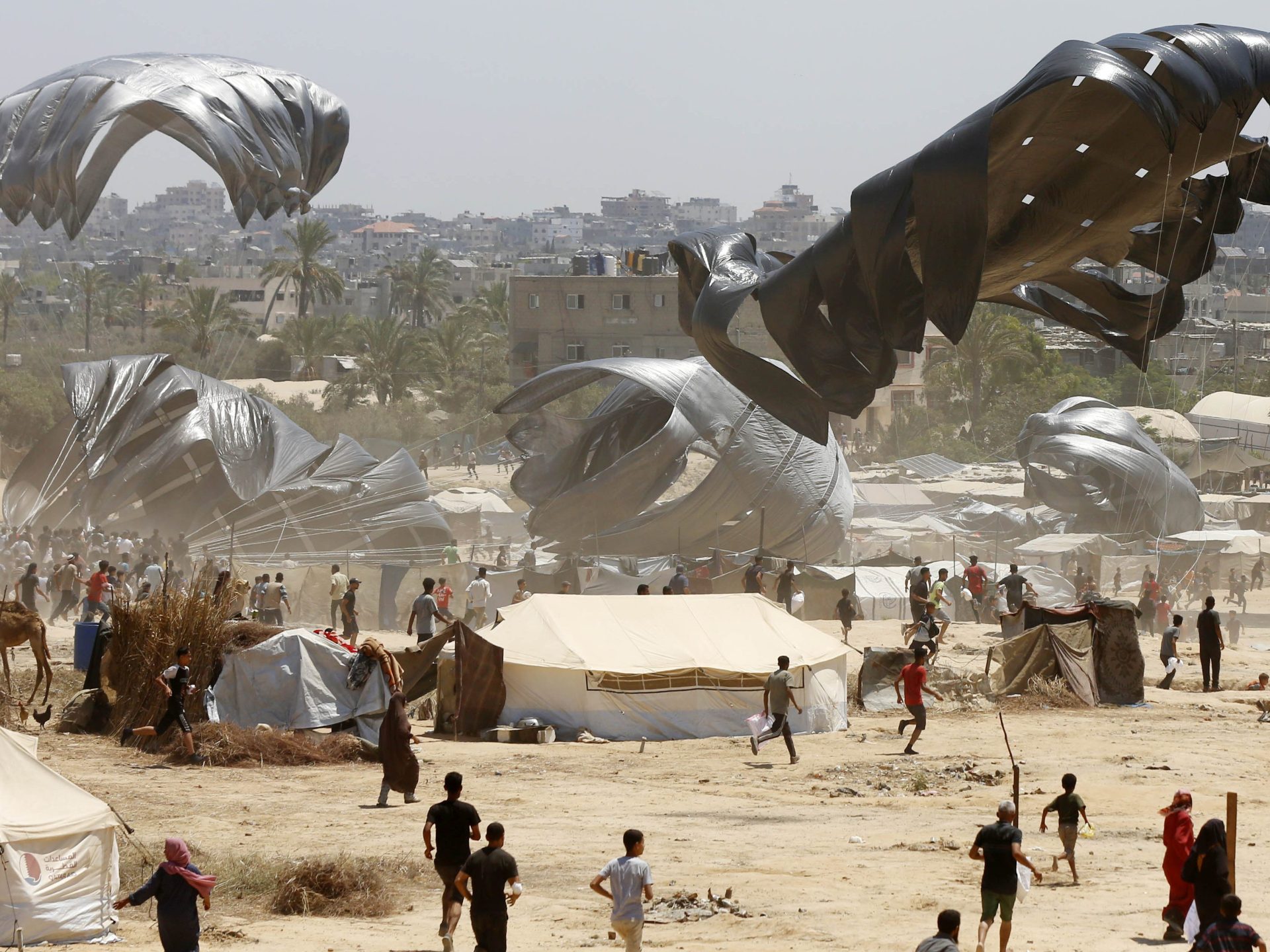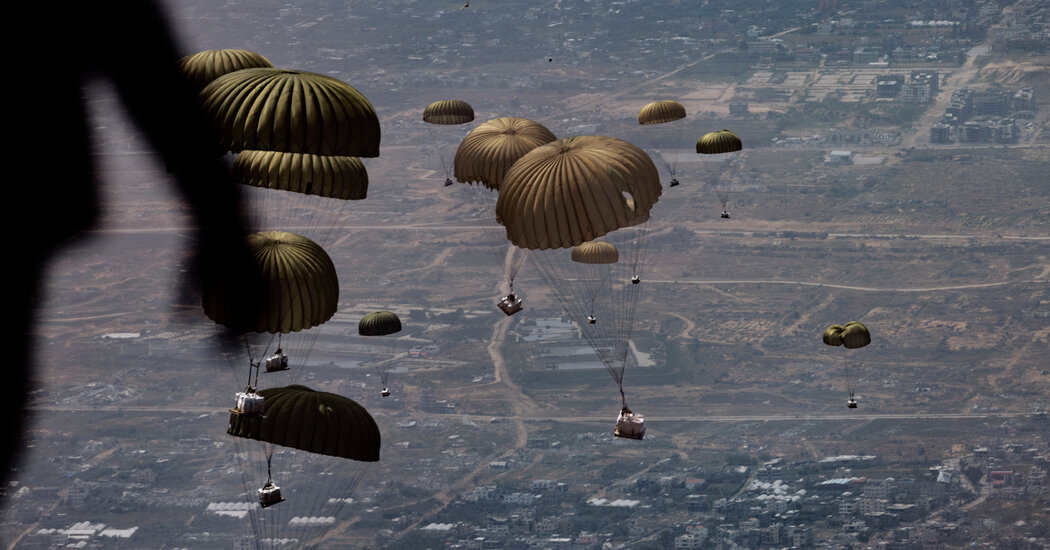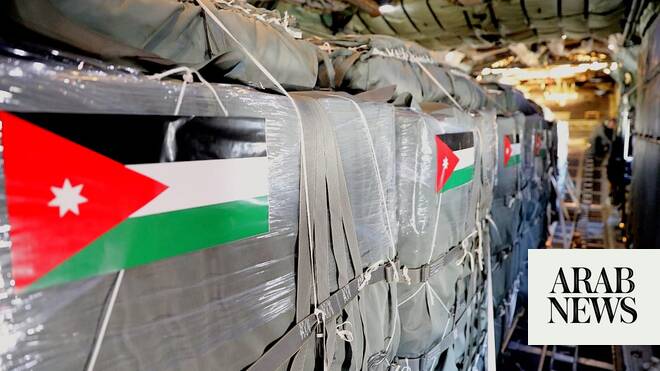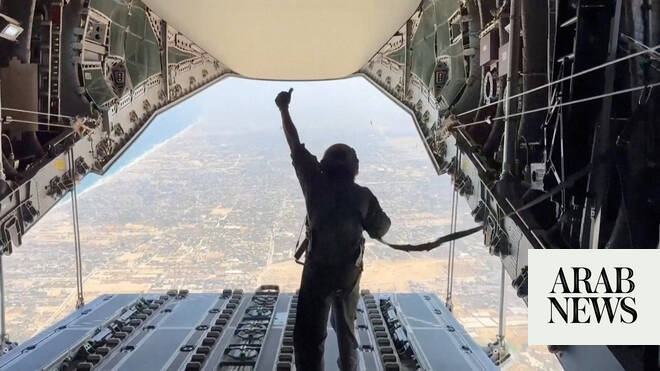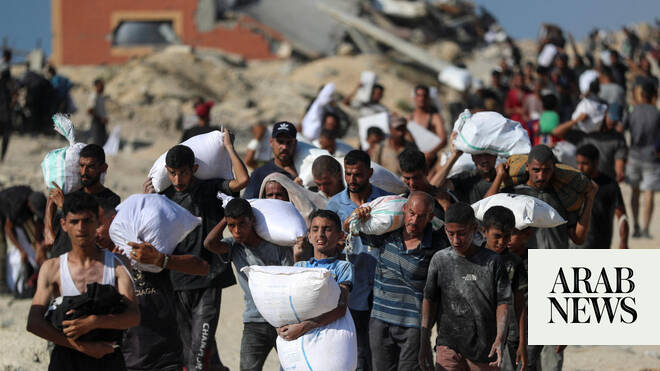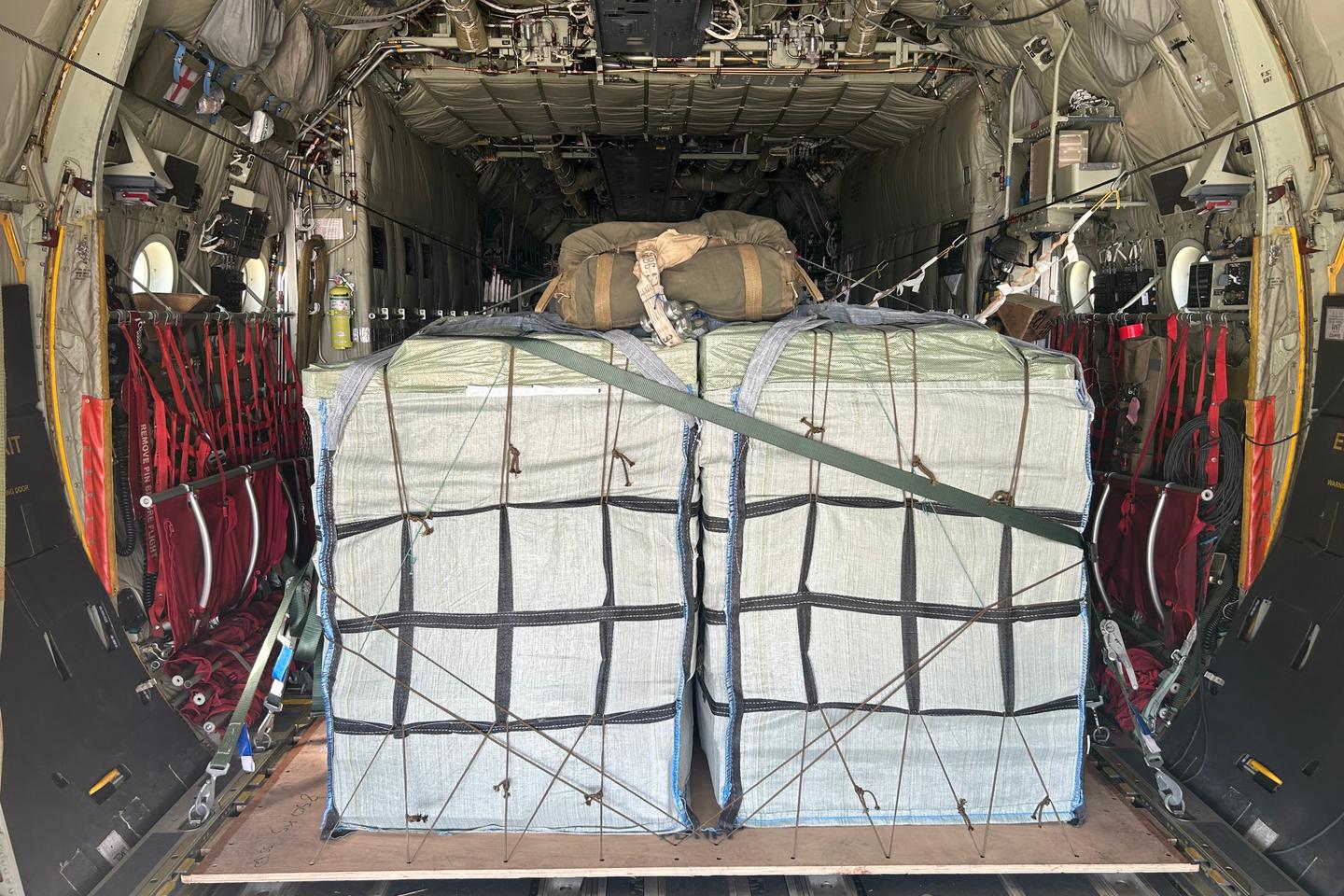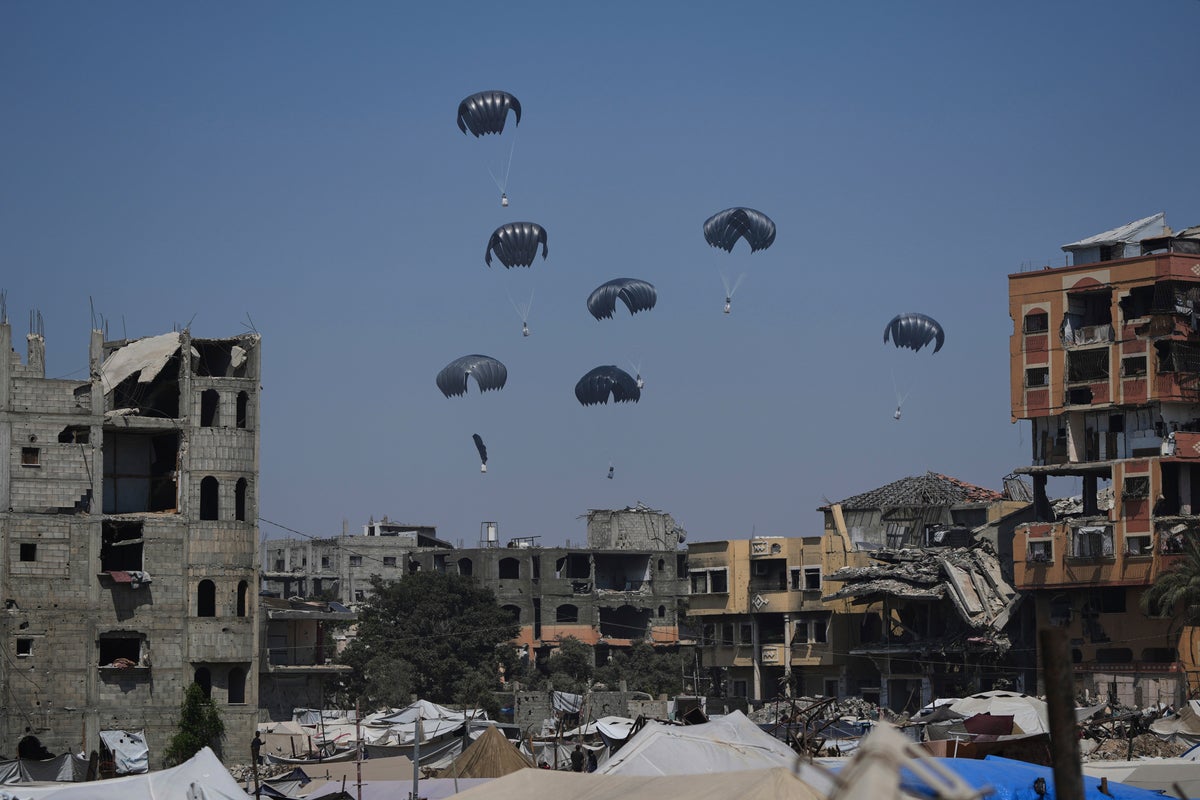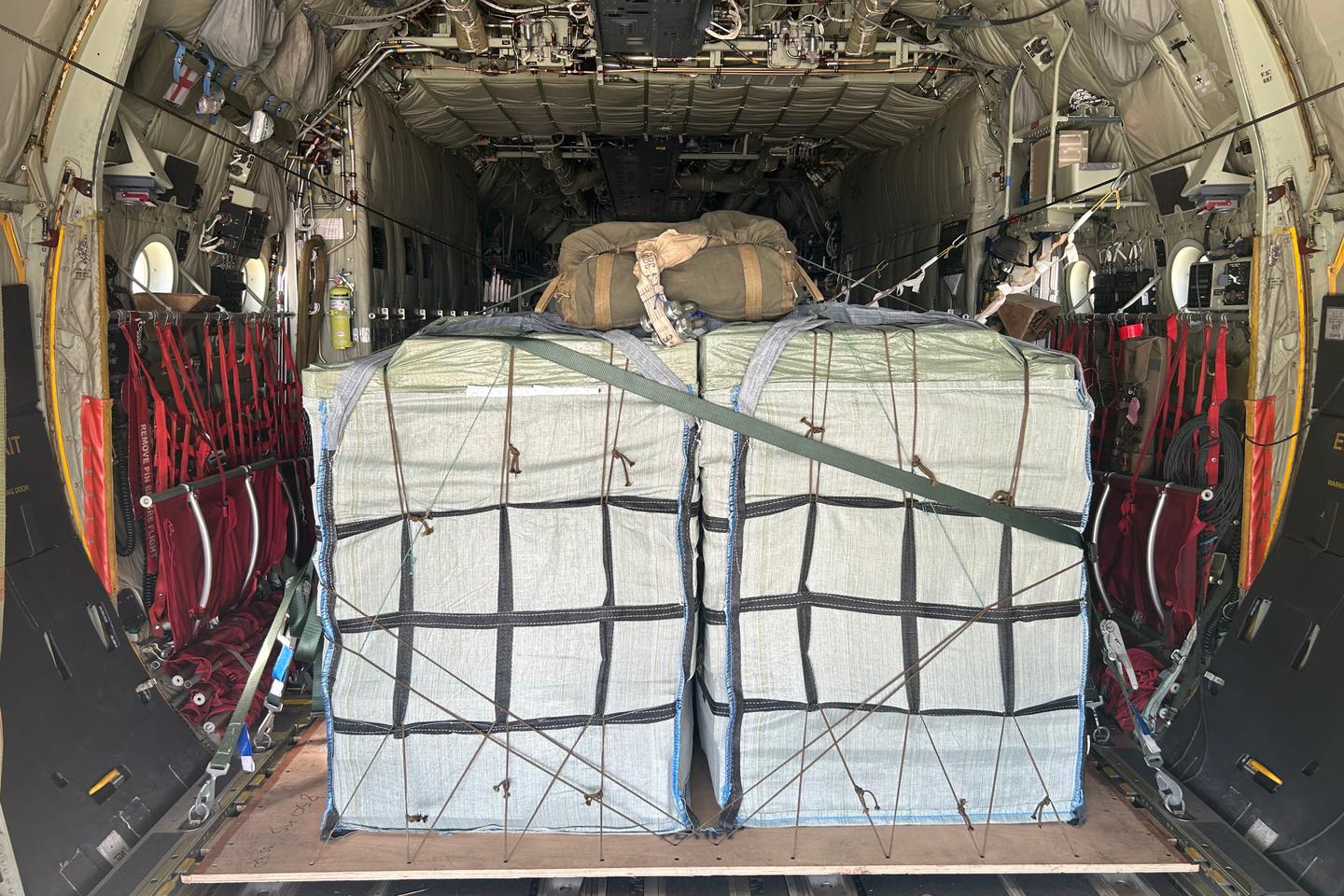
ropping aid into a conflict zone by parachute is the least effective method of distributing humanitarian assistance. That was the categorical conclusion the US military reached after carrying out a massive air drop campaign using large cargo planes, in northern Iraq in the spring of 1991. At the time, hundreds of thousands of Kurds had fled into the mountains along the Iraq-Turkey border to escape repression by Saddam Hussein's regime.
The United States, the United Kingdom and France imposed a no-fly zone for Iraqi aircraft in the country's far north. Yet the air drops caused many casualties among the refugees, with people being killed by falling crates, violent fights breaking out over aid and some supplies mistakenly landing in minefields.
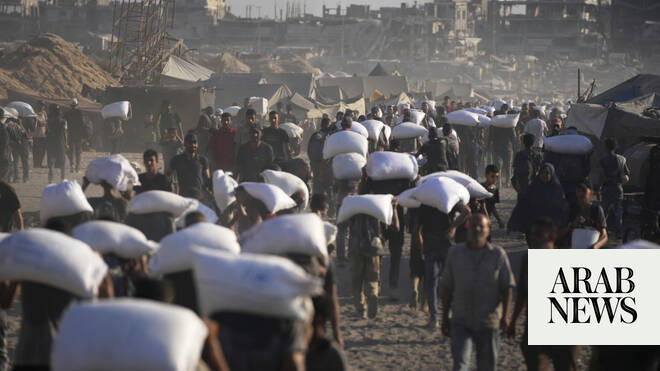
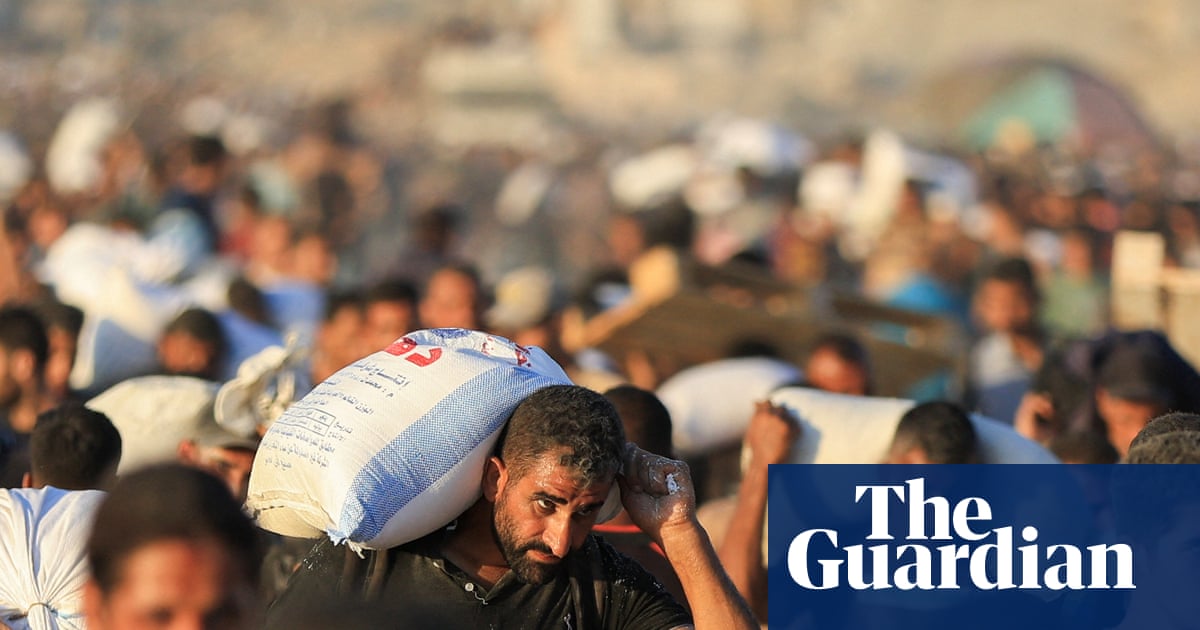
Soldiers on the ground protested against the operation, considering it to be more about media coverage than effectiveness, and they ultimately secured authorisation to use helicopters to deliver the aid. This allowed for actual aid distributions to be conducted, rather than just dropping supplies – but even that was only an interim solution before convoys of trucks finally provided humanitarian relief worthy of the name.
'Flour massacre'
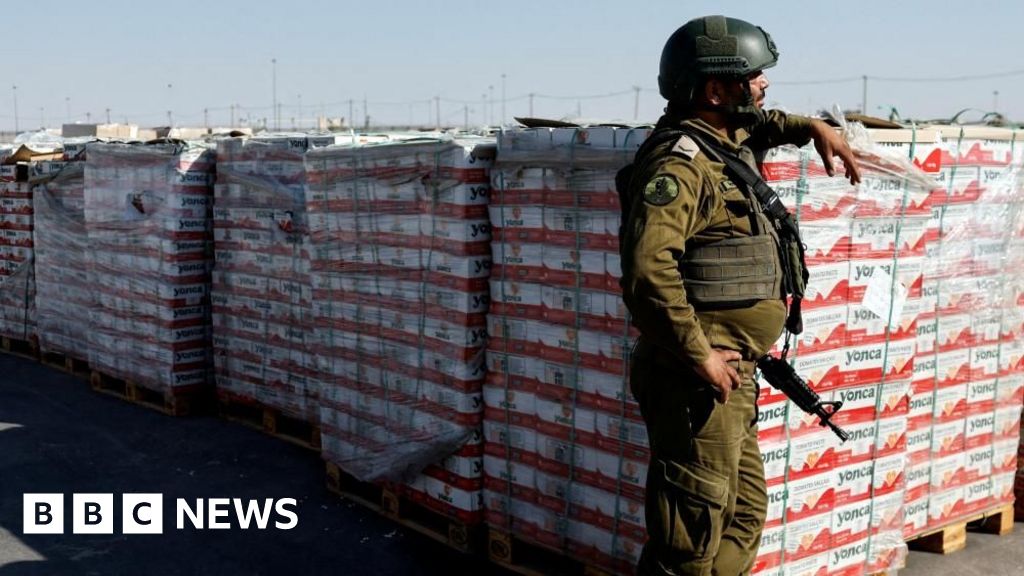
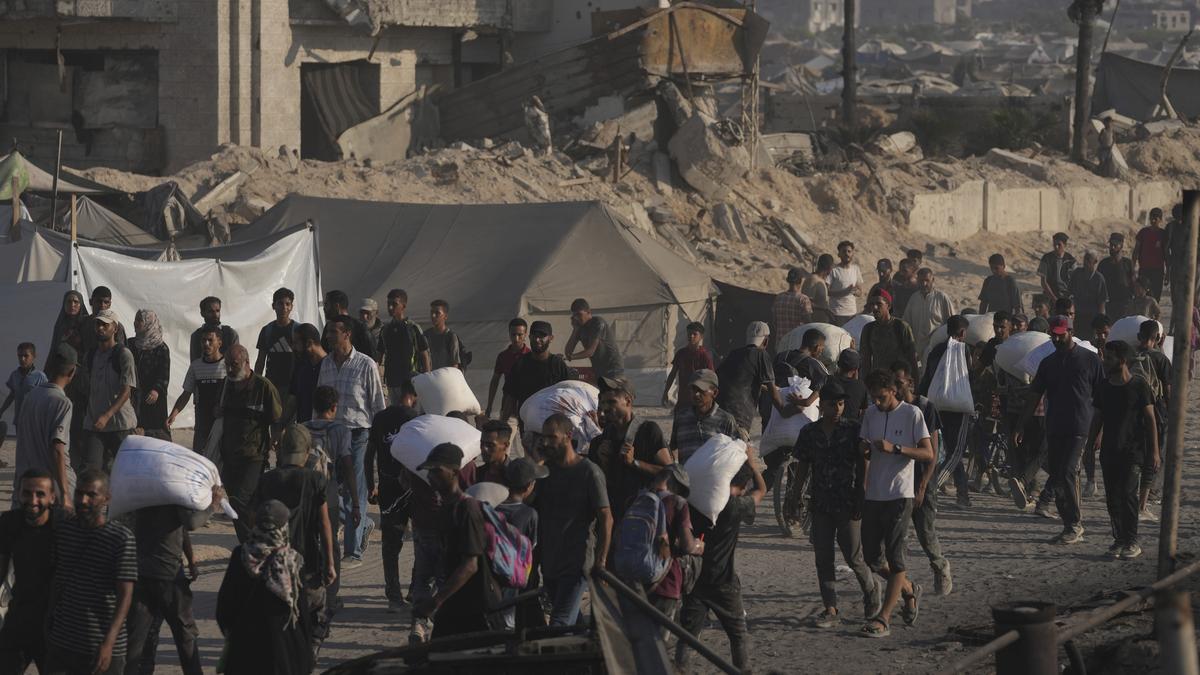
The failure that air dropping aid in northern Iraq represented was so devastating that such methods were ruled out for large-scale use for more than three decades. Only Israel's determination to use humanitarian aid as leverage over the population of Gaza, a violation of fundamental humanitarian law, has brought the last-resort option of air drops back as a possibility.