Nothing is agreed until everything is agreed. The EU should now steel itself and reject the terms imposed by Donald Trump
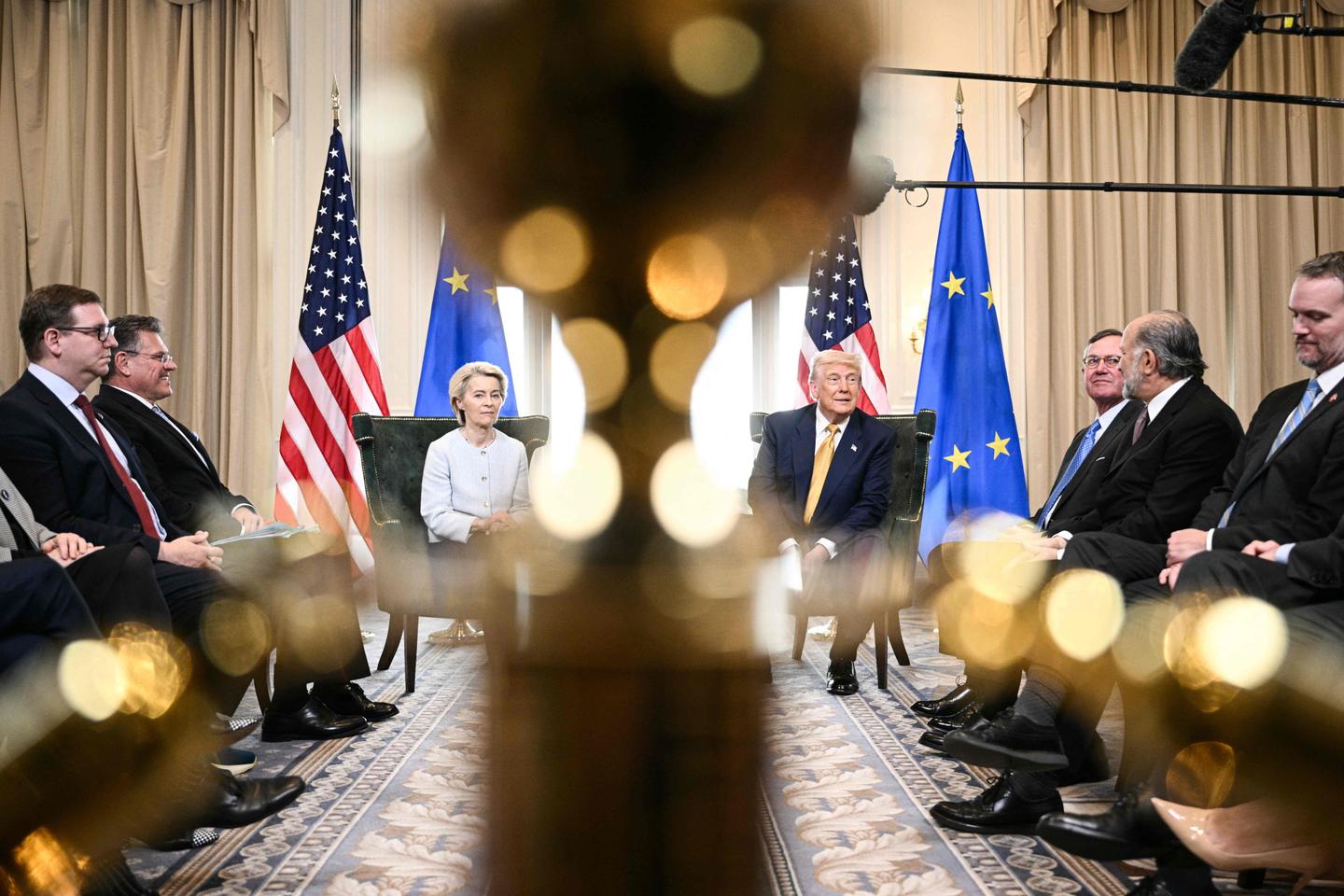
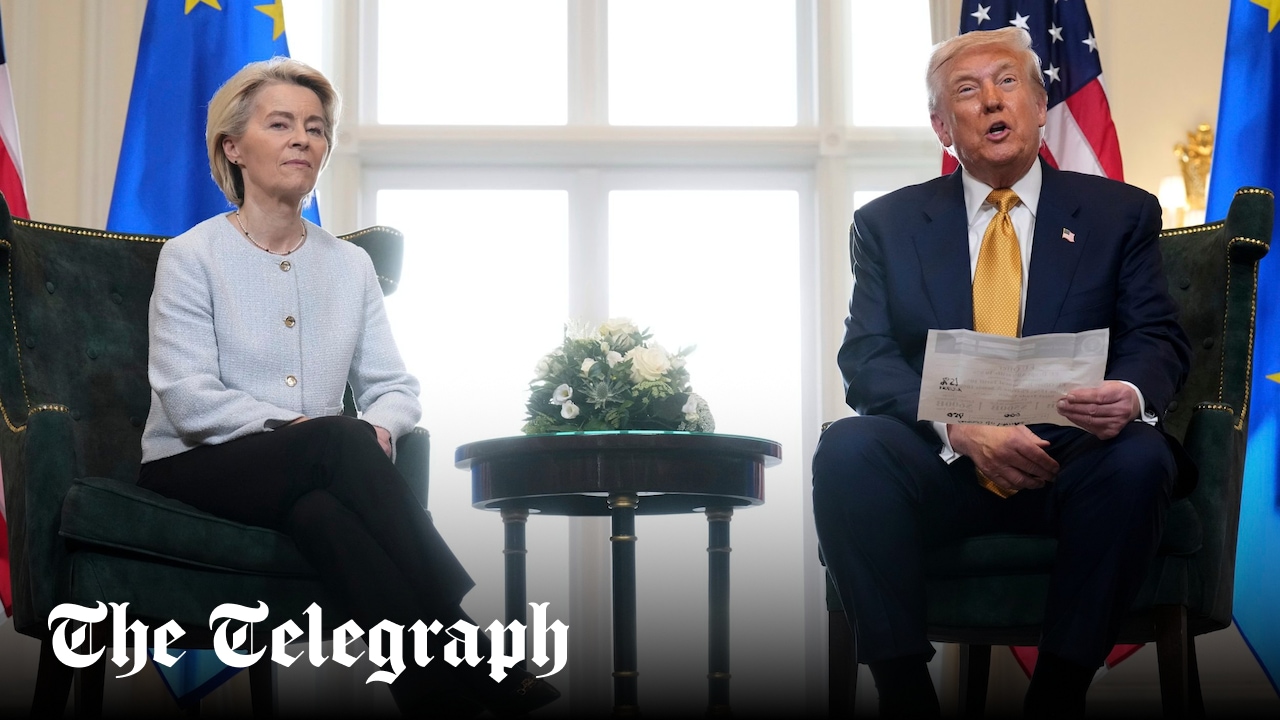
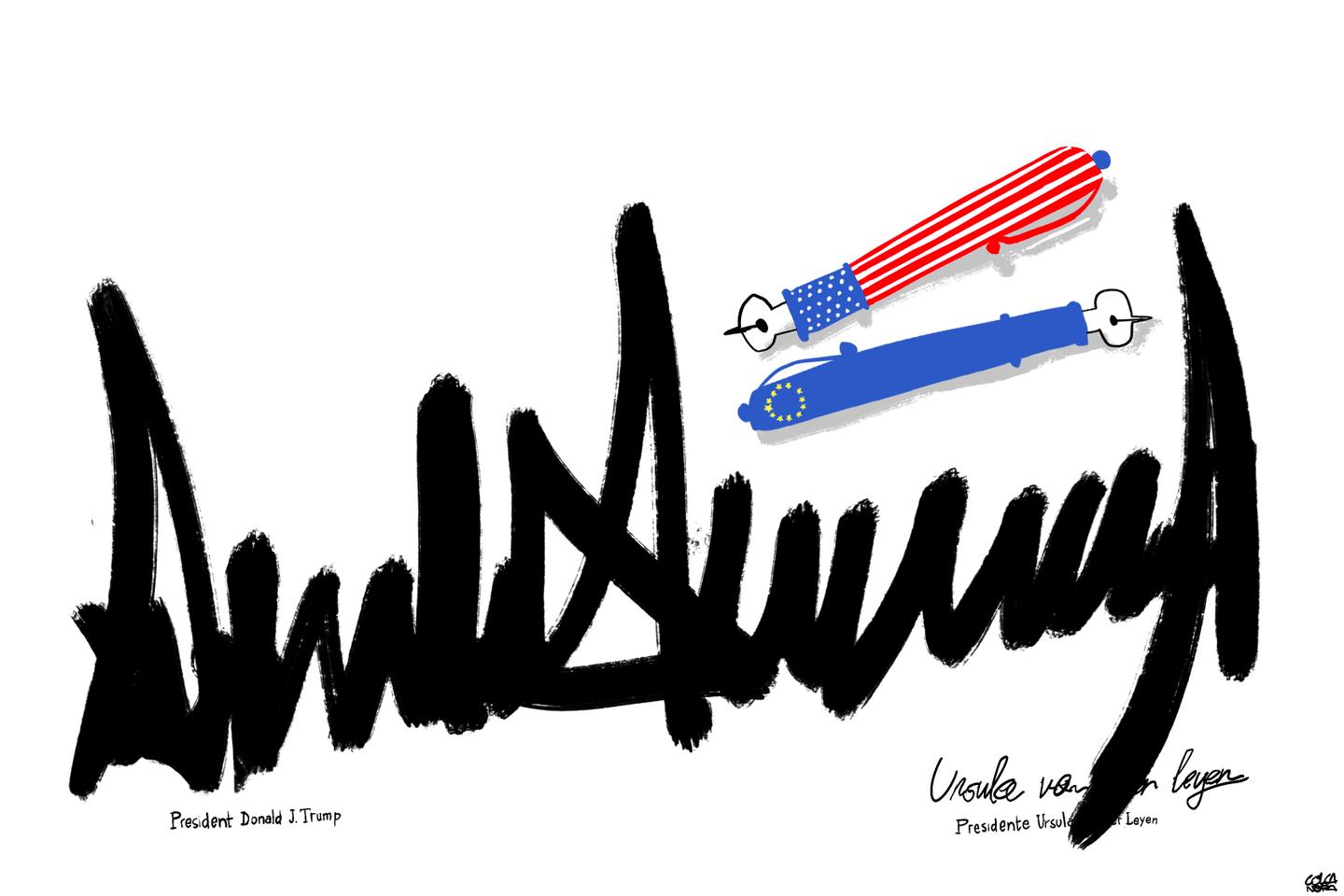
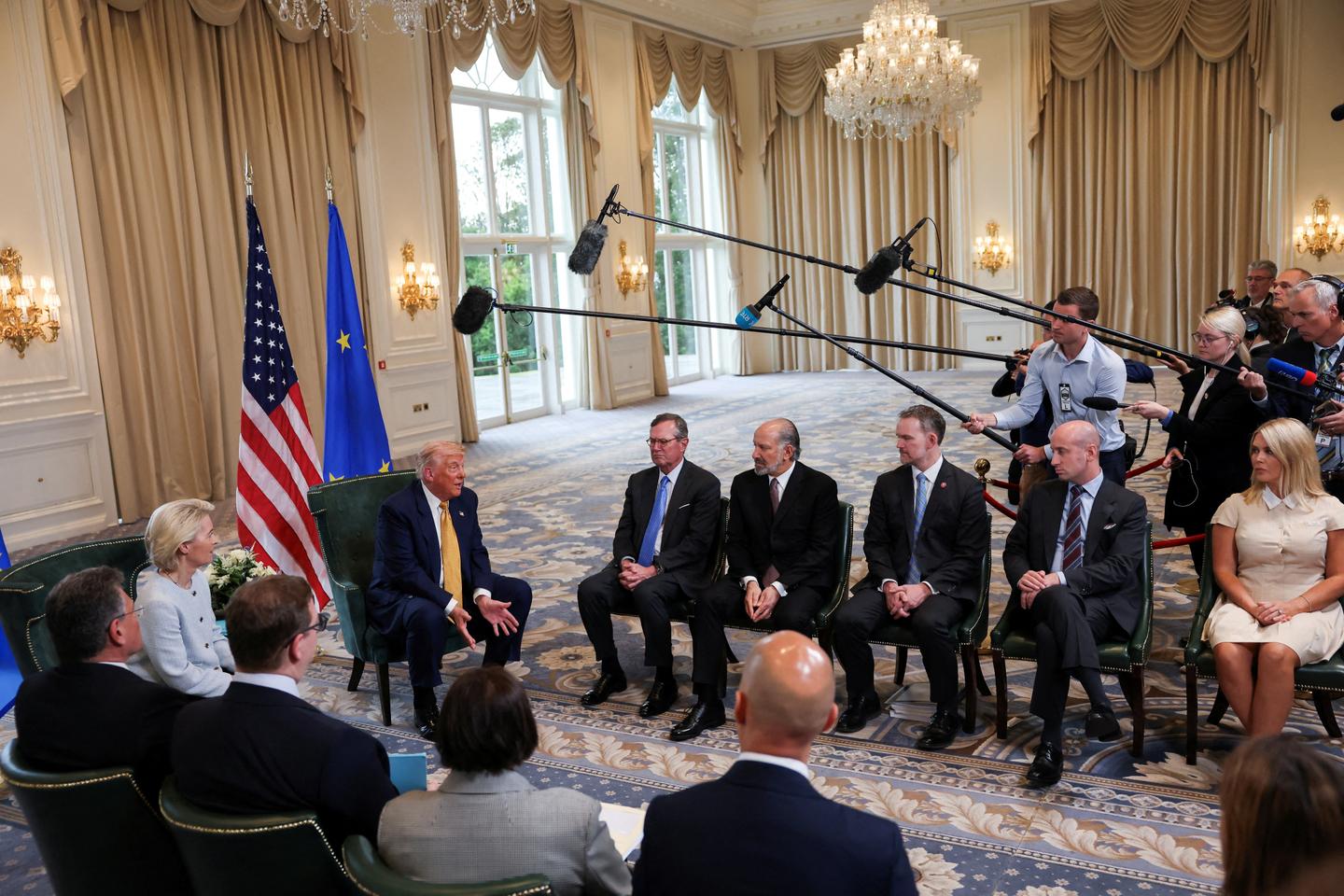
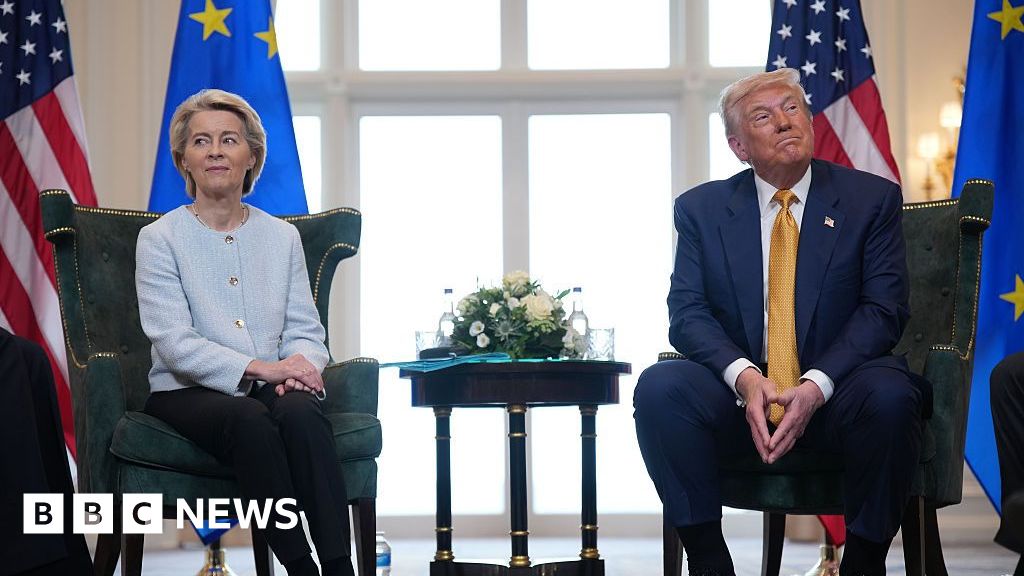
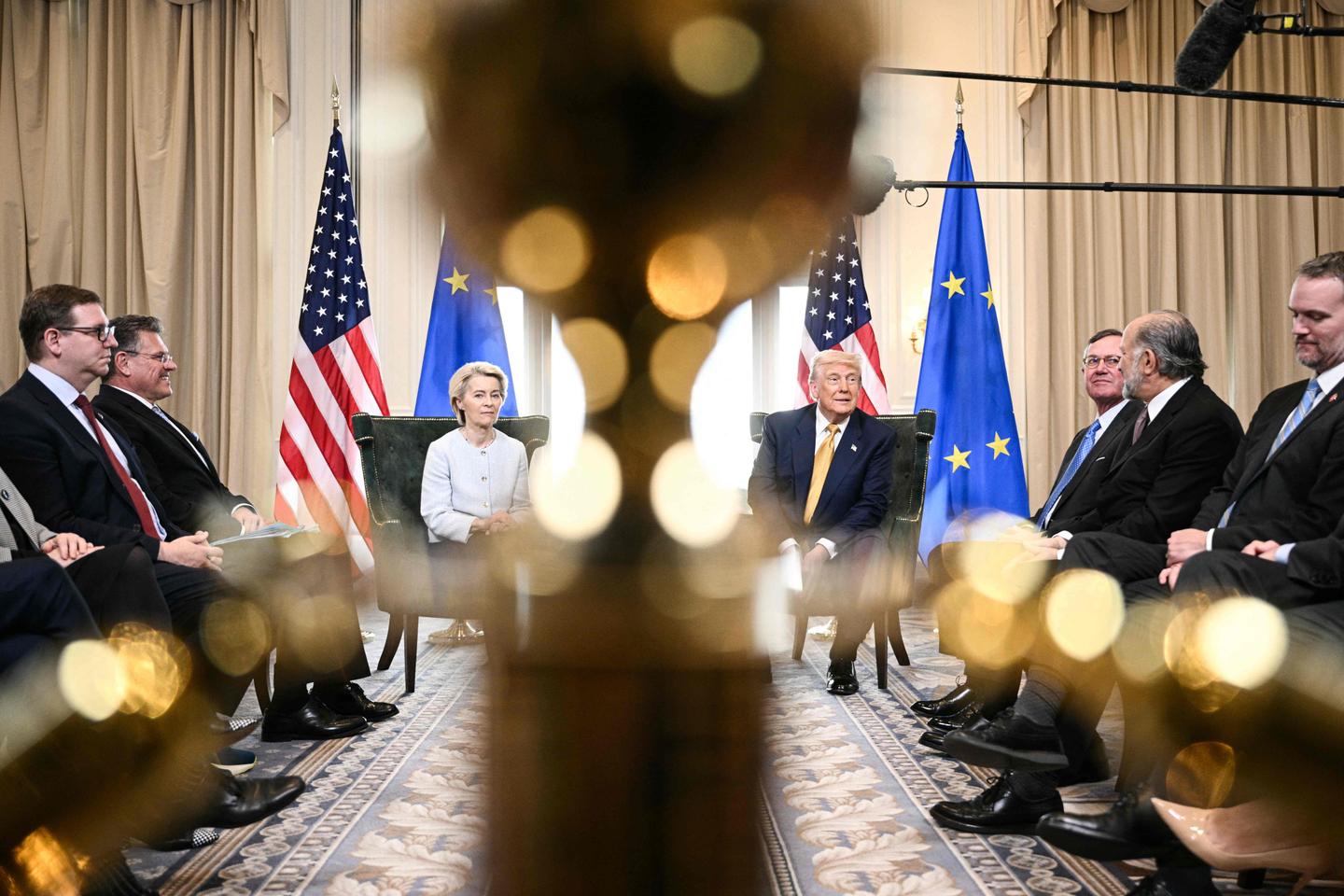
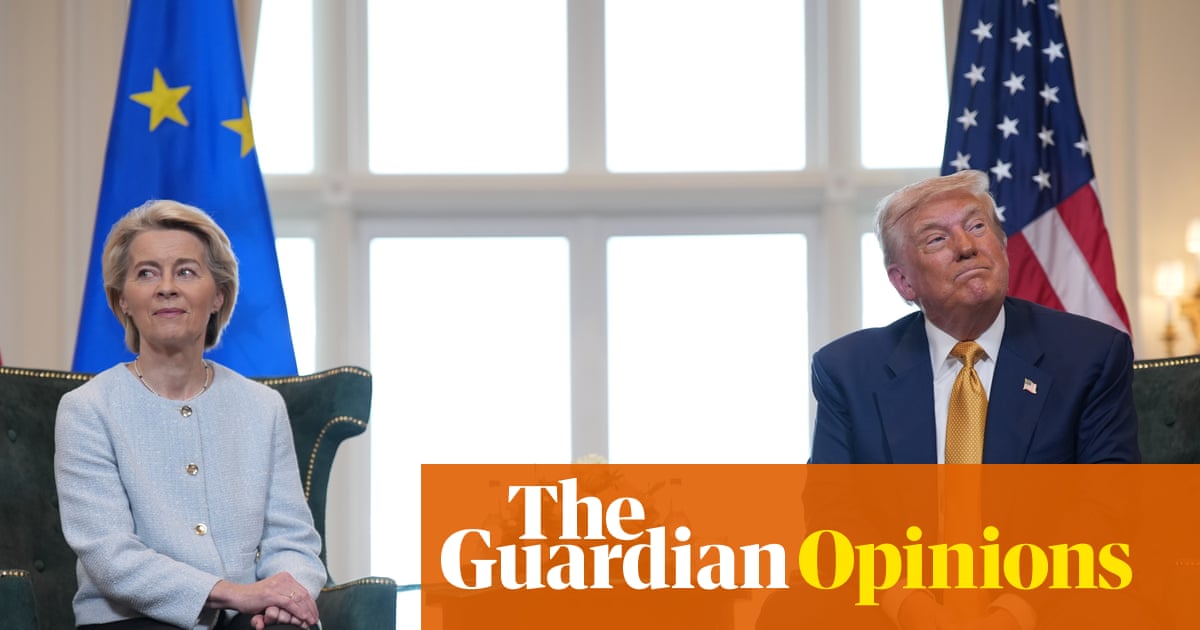
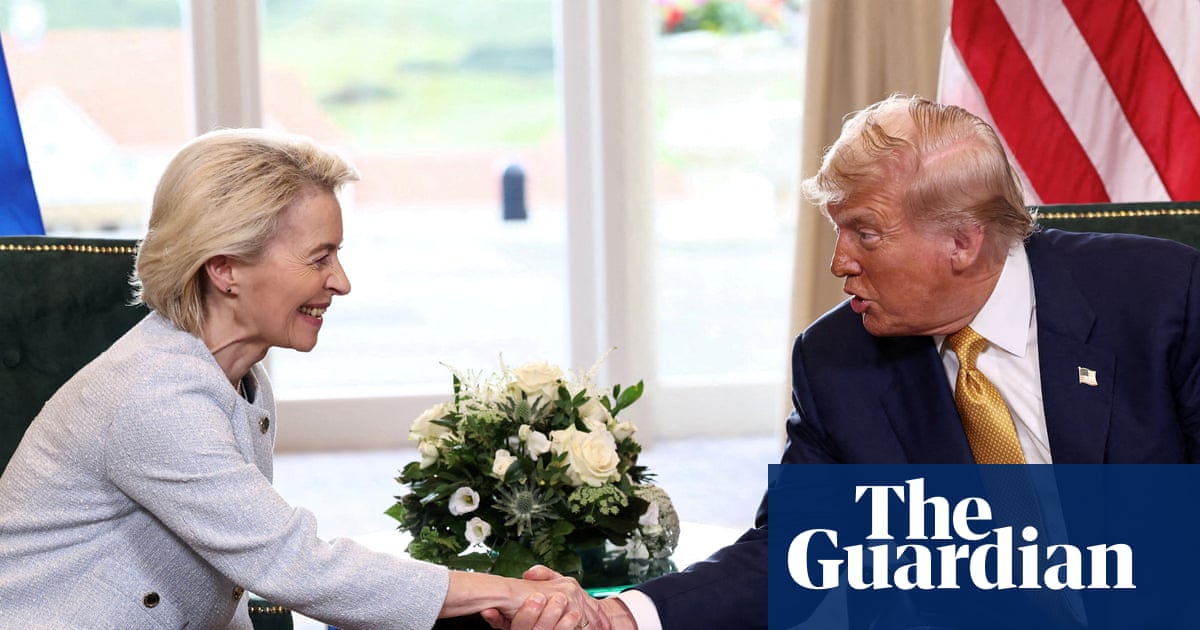
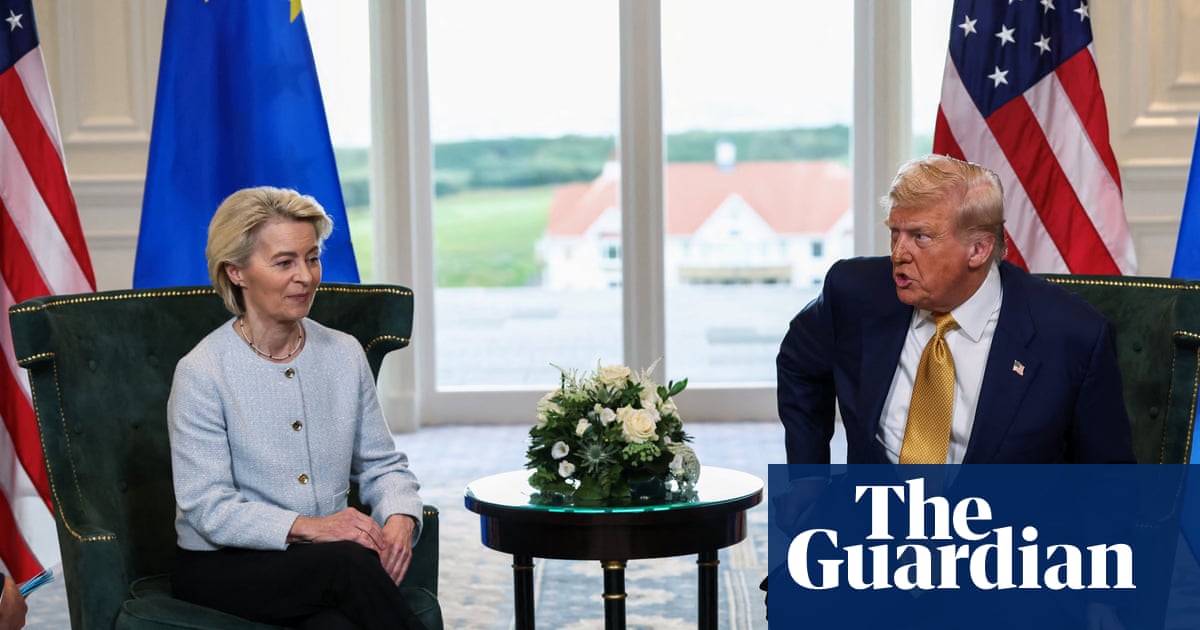
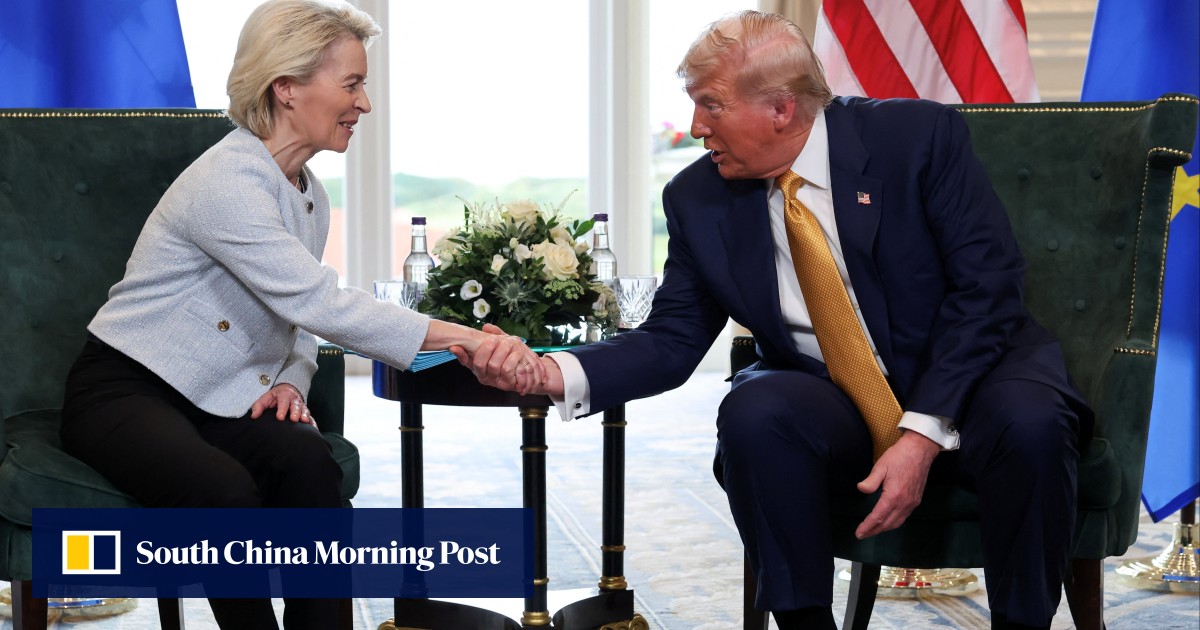
rsula von der Leyen’s Turnberry golf course deal has been rightly called a capitulation and a humiliation for Europe. Assuming such an accord would put an end to Donald Trump’s coercion and bullying was either naive or the result of a miserable delusion. The EU should now steel itself and reject the terms imposed by Trump.
Is this deal really as bad as it sounds? Unfortunately, it is, for at least three reasons.
The blow to Europe’s international credibility is incalculable in a world that expects the EU to stand up for reciprocity and rules-based trade, to resist Washington’s coercion as Canada, China and Brazil have, rather than condoning it.
Economically, it’s a damaging one-way street: EU exporters lose market access in the US while the EU market is hit by more favoured US competition. Core European industrial sectors such as pharma and steel and aluminium are left by the wayside. The balance also tilts in the US’s favour in important sectors such as consumer goods, food and drink, and agriculture. Tariffs tend to stick, so this is long-term damage. The EU even gives up its right to respond to future US pressures through duties on digital services or network fees.