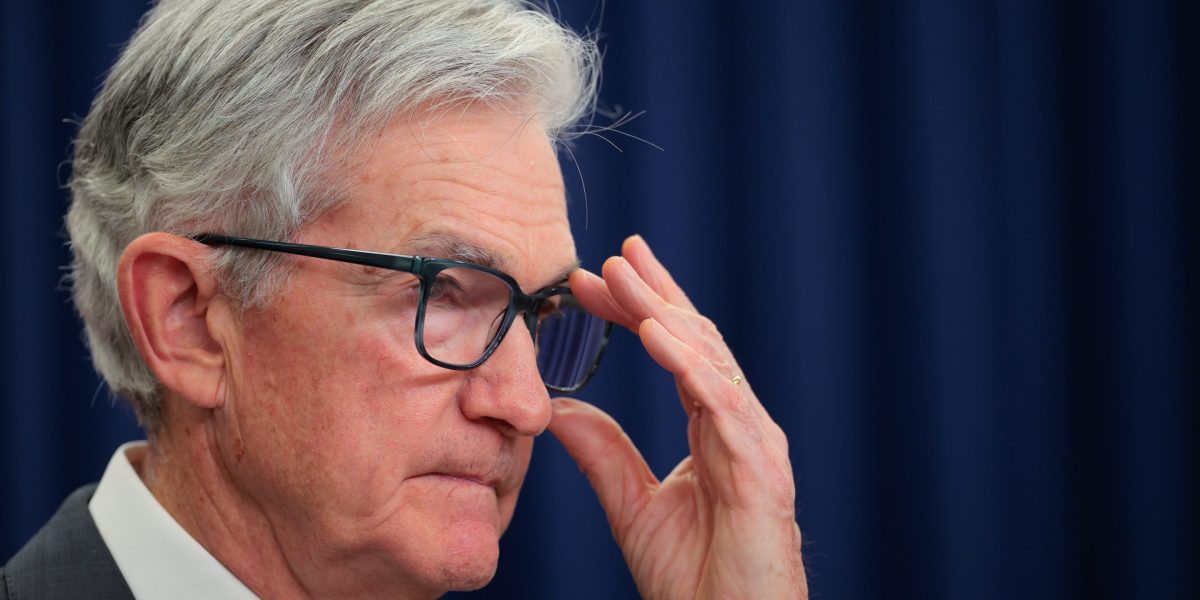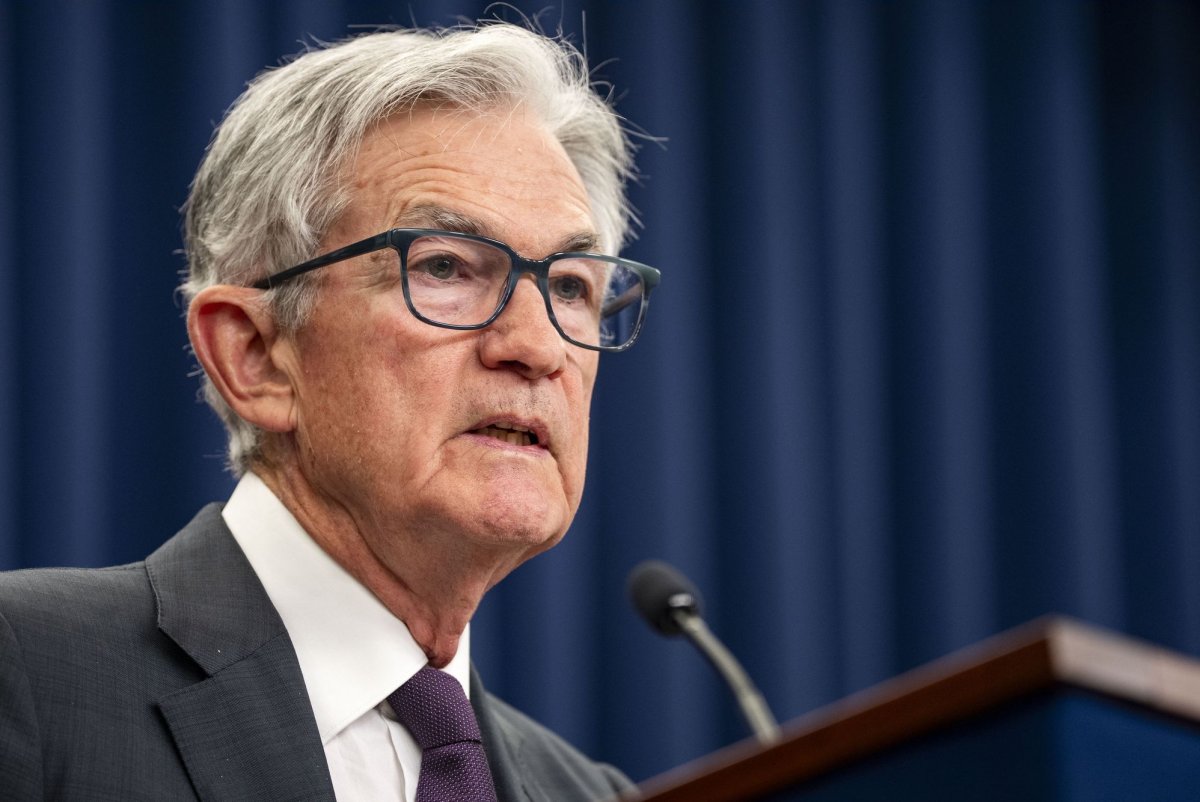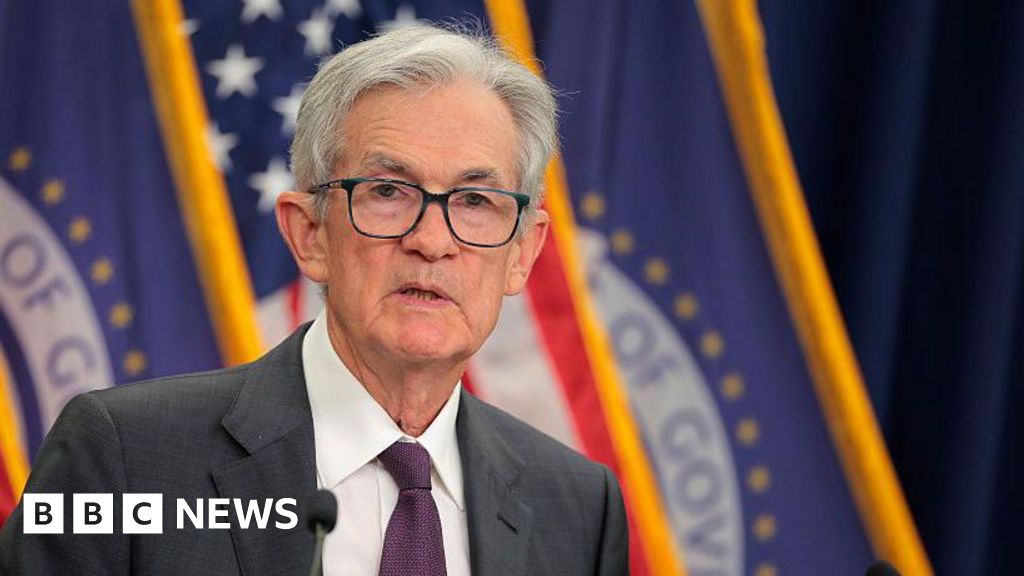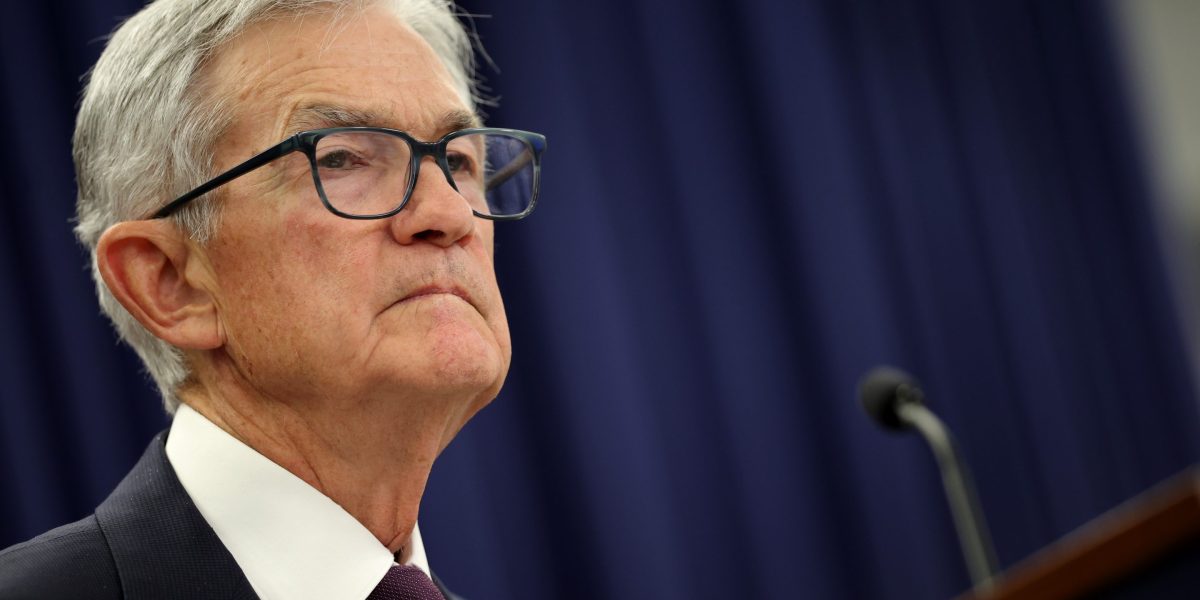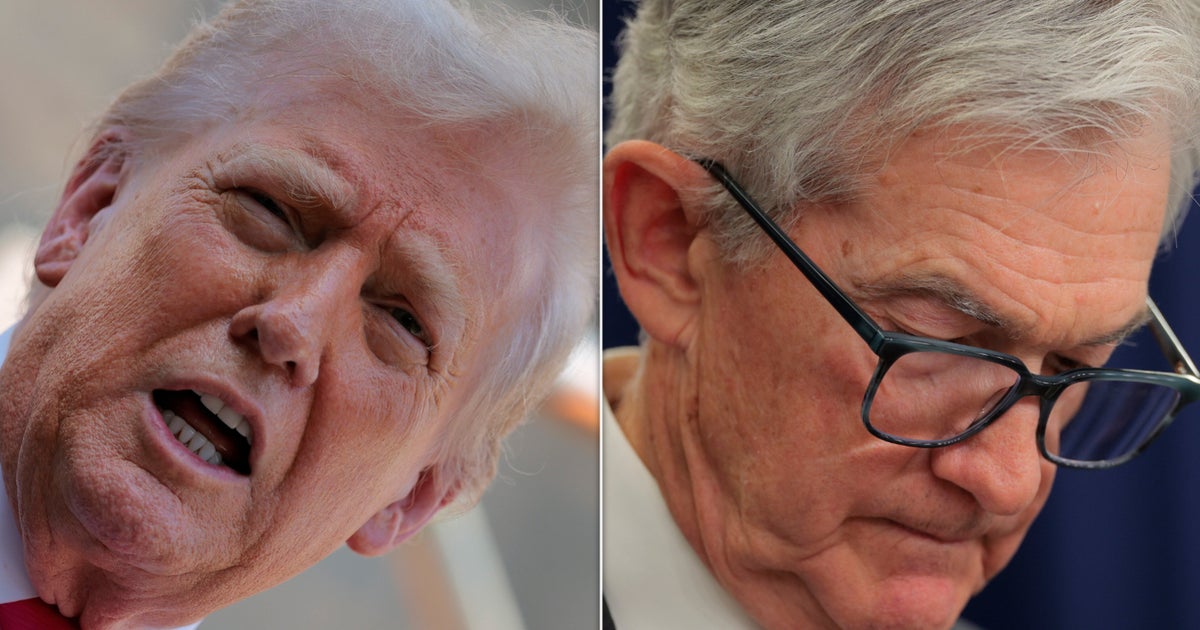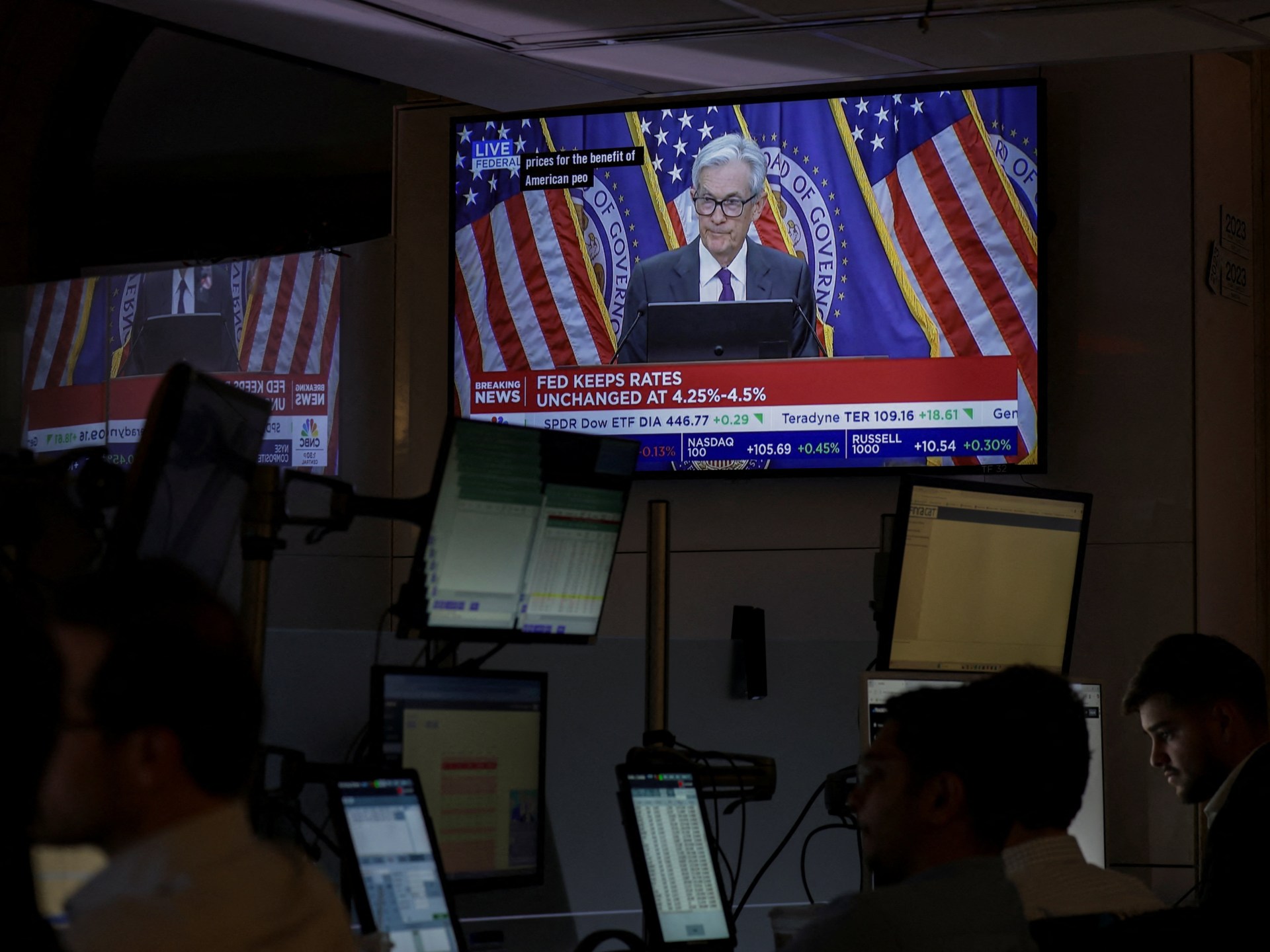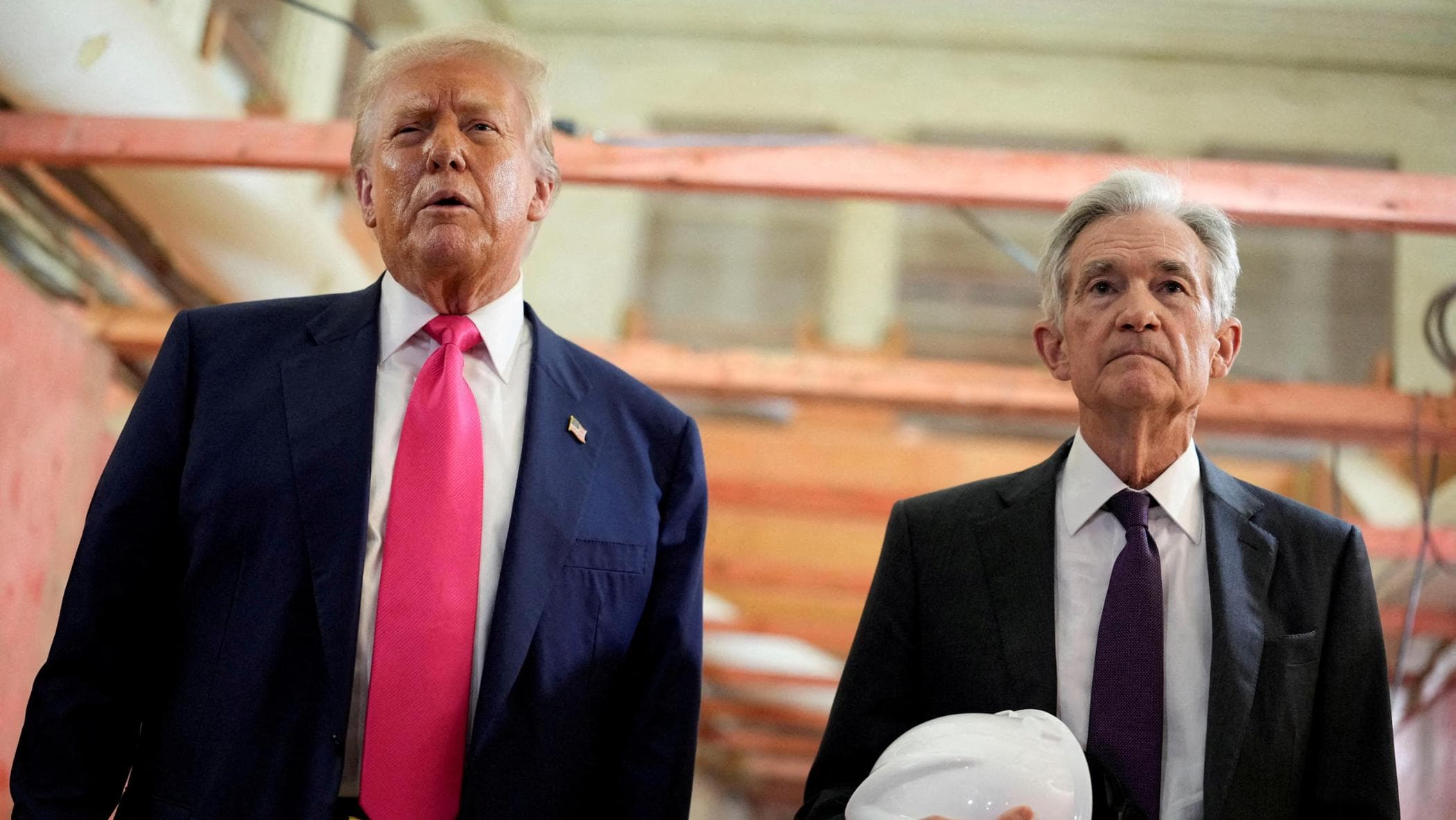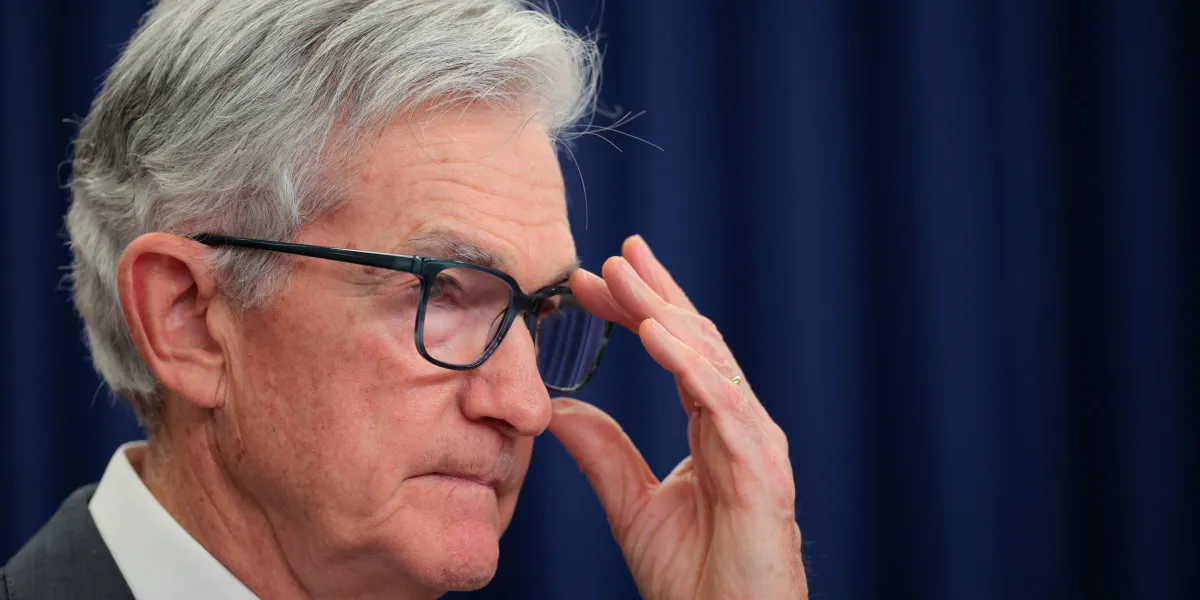
In a move that everyone was expecting, U.S. Federal Reserve Chairman Jerome Powell disappointed Donald Trump again yesterday by refusing to cut the base interest rate.
Indeed, a hawkish Powell even used the dreaded r-word (“raise”)—having suggested he is responsive enough to calls to “look through” tariff-induced inflation by not increasing interest rates, a notion which likely would have sent the Oval Office into a fury.
While rates held steady at 4.25% to 4.5%, a split among the Federal Open Market Committee (FOMC) is growing, with two members dissenting. This represents the highest level of friction within the FOMC for more than 30 years.
But despite the pressure—both from within the Fed and externally—Powell struck a cautious tone on cutting. For some time analysts have pencilled in a cut in September, the next meeting of the FOMC.
“Higher tariffs have begun to show through more clearly to prices of some goods, but their overall effects on economic activity and inflation remain to be seen,” Powell told reporters in a news conference following the meeting. “A reasonable base case is that the effects on inflation could be short-lived—reflecting a one-time shift in the price level. But it is also possible that the inflationary effects could instead be more persistent, and that is a risk to be assessed and managed.”