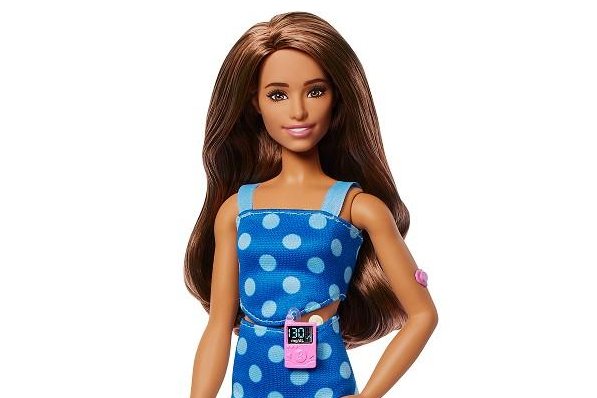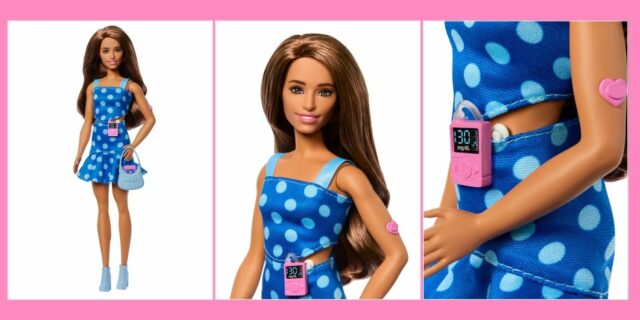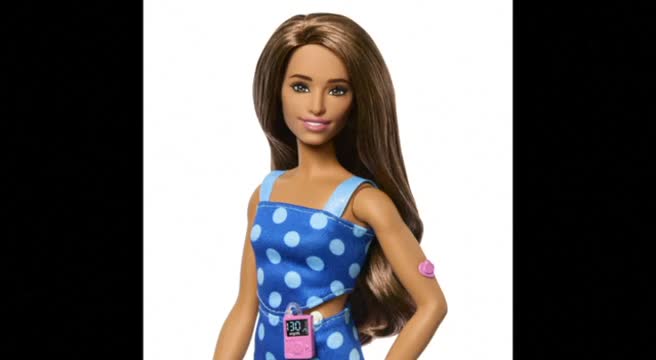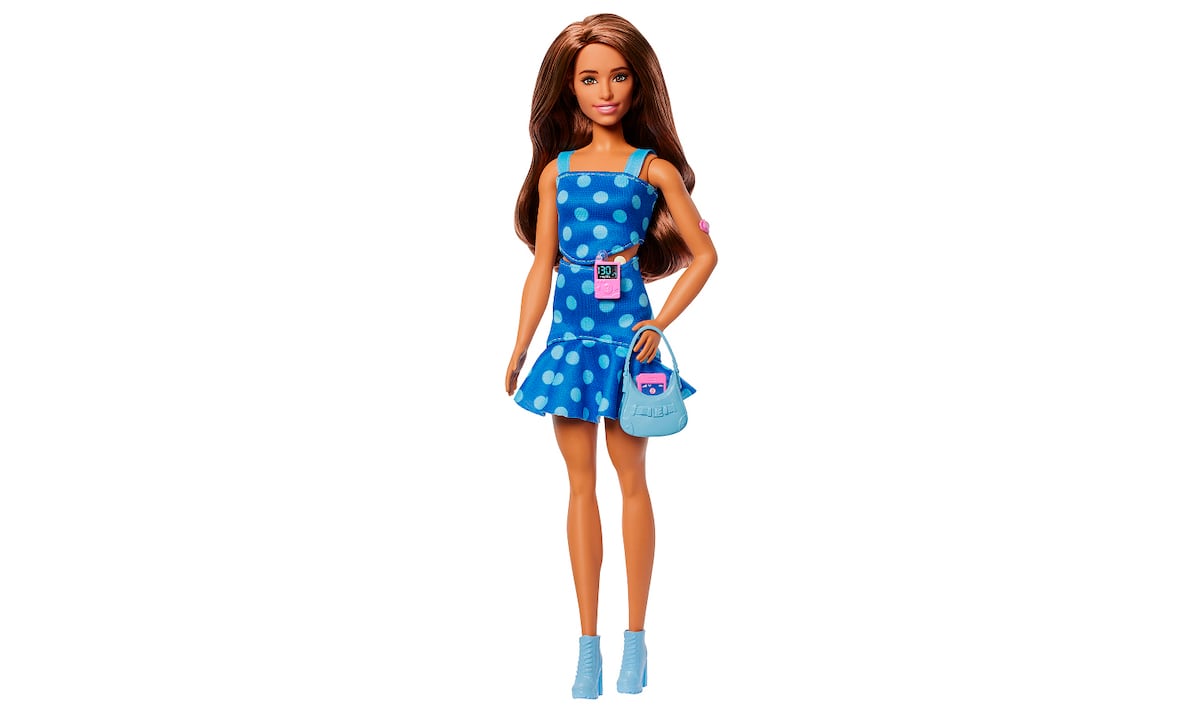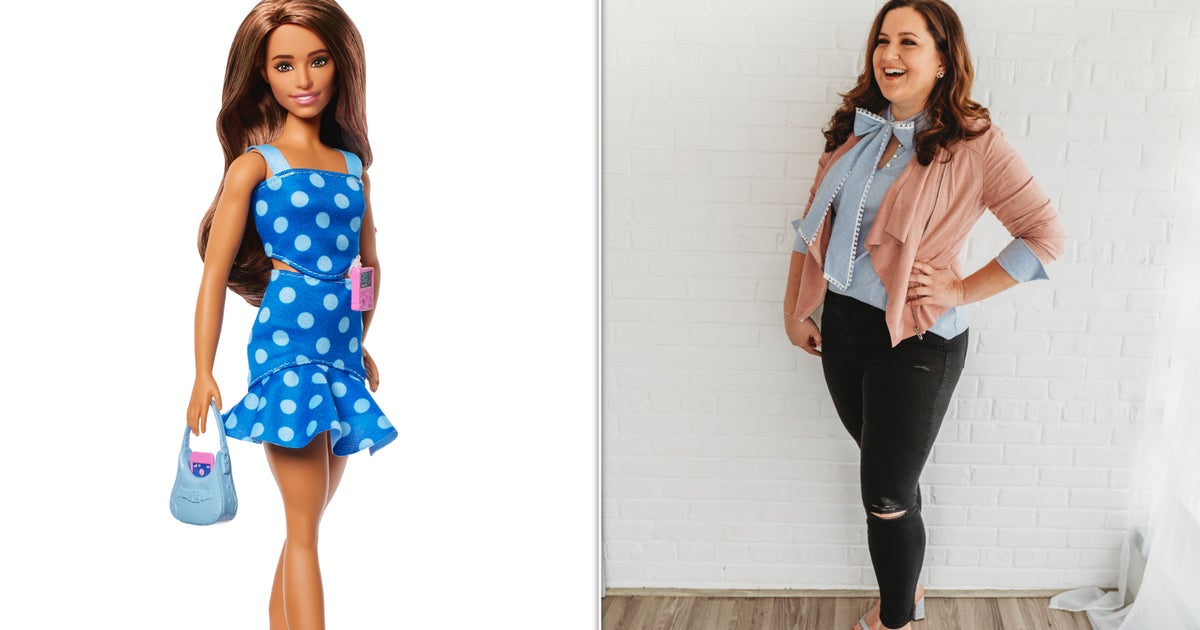
When I was diagnosed with Type 1 diabetes in my late 20s, one of my friends lovingly referred to me as Diabetes Barbie to make me feel better about my new reality. The nickname made my condition a part of my overall identity — a young, perky, professional — rather than an illness that would negatively define me. So recently, when Mattel dropped a real Diabetes Barbie, it felt like a long overdue signal of inclusion.
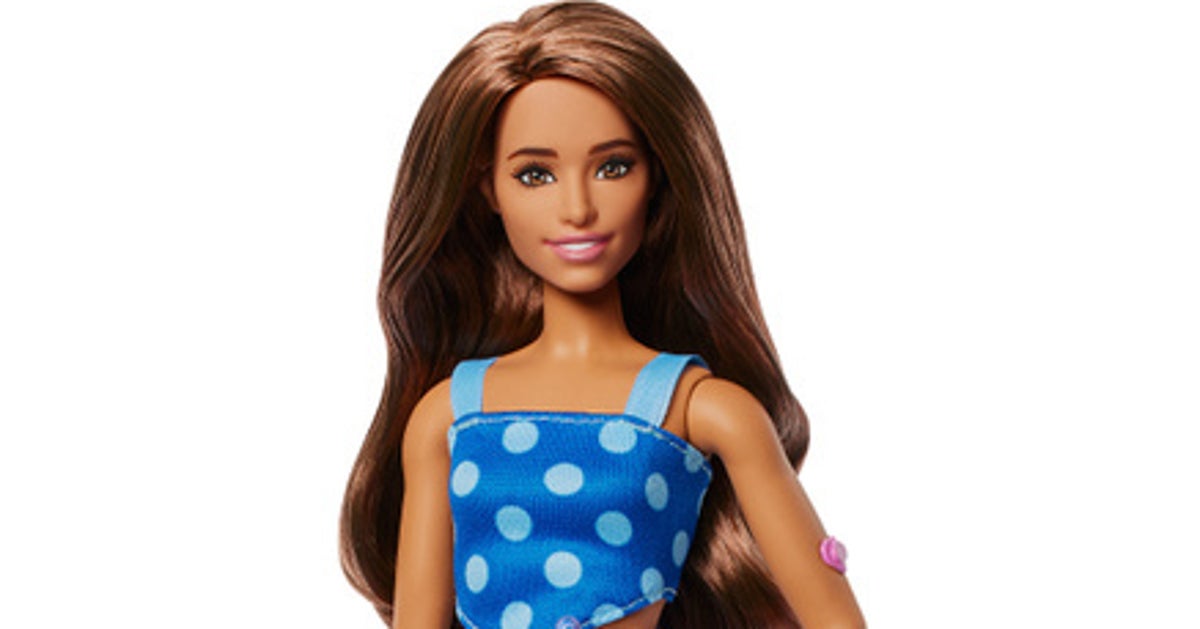
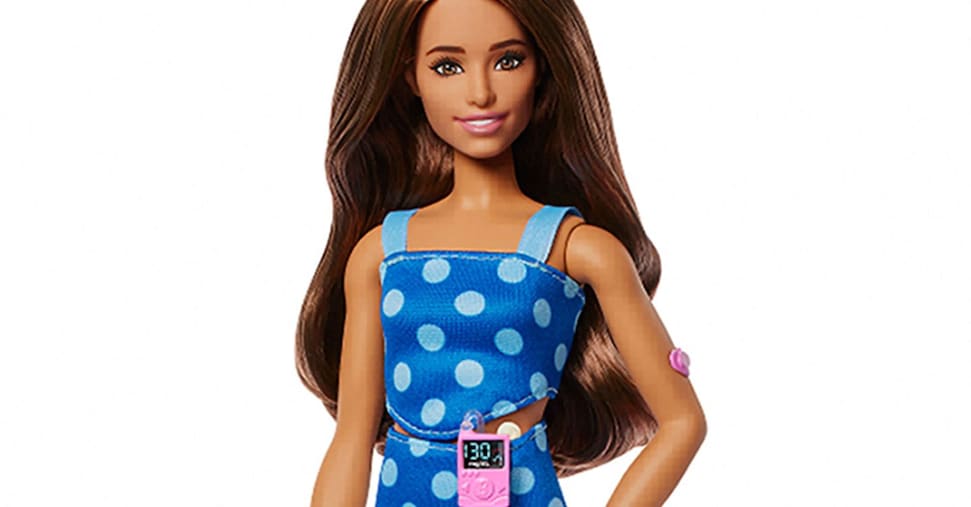
Diabetes Barbie is an unexpected tool for visibility. She wears an insulin pump, continuous glucose monitor (CGM), along with kicky little diabetes-friendly accessories like a pastel blue purse — all of which are relatable to those of us who know how much extra stuff you have to carry around when living with this condition. The doll is validating both for children newly diagnosed or people like me who didn’t have this kind of representation during formative years.
Type 1 diabetes impacts over 2 million people in the U.S. The auto-immune condition is often conflated or overlooked due to the much larger number — 40 million people — who have Type 2 diabetes. The difference between the two is explained in this video from Stanford: Type 2 diabetics deal with insulin resistance, which means that their bodies make insulin, but their bodies don’t react to it well; these individuals tend to be older and can usually get the condition in control with diet and other lifestyle changes.