A huge hit in Sweden, this portrait of one man and his dog as the end approaches is a simple yet effective meditation on mortality, love and care
L
isa Ridzén’s debut, which has been a runaway success in her Swedish homeland and elsewhere, demonstrates how sometimes the simplest storytelling can be the most effective. This is a novel with no clever structural devices or burden of symbolism and a setting so limited geographically that the reader ends up knowing precisely where everything is.
It is narrated by Bo, a former timbermill worker who has reached the age when people worry about him, and has a network of carers calling in three times a day. One of Ridzén’s inspirations was the team journal kept by the carers looking after her dying grandfather; very movingly, bulletins from the journal of Bo’s carers punctuate his narrative, the alternative perspective like a chill breeze through a briefly opened door.
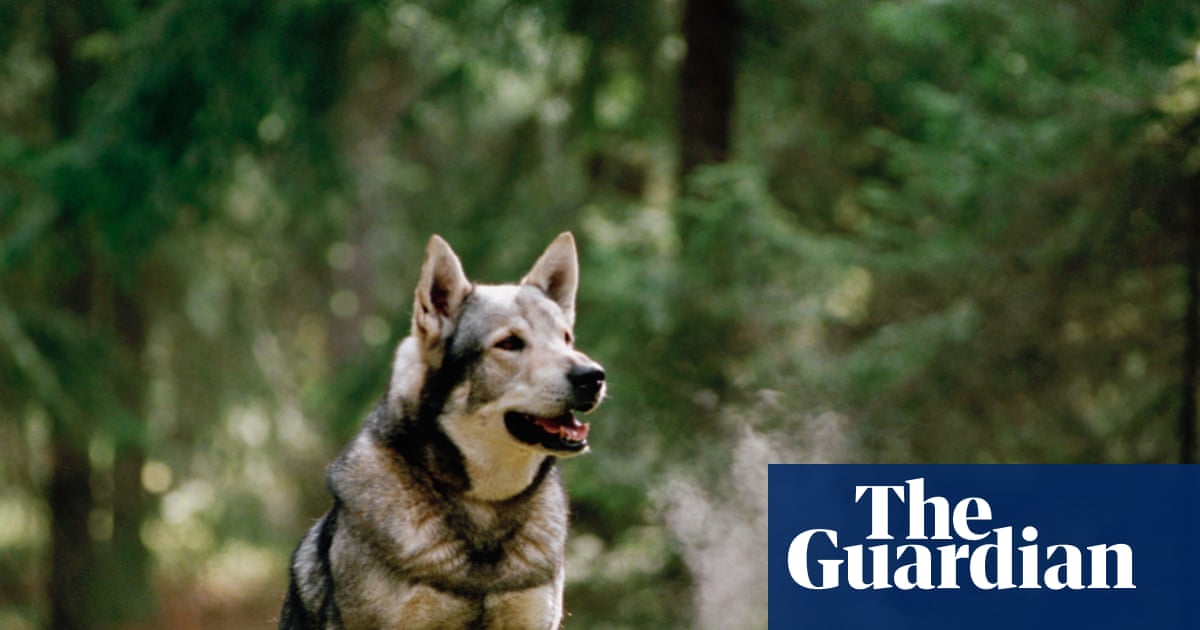
Bo lives in the Swedish far north, surrounded by the sort of woods, lakes and meadows that are a paradise for dogs but a constant worry for the adult children of old men who persist in living somewhere so remote. His adored wife, Frederika, no longer knows who he is and has been taken away to a dementia care home, imposing on Bo a kind of living bereavement. His one close friend, Ture, a man local gossips have down as a “confirmed bachelor”, has also reached the stage of being cared for around the clock, but the two old men enjoy regular catch-ups on their geriatric-friendly mobiles. His other great love is a dog, Sixten, an elkhound who needs far more exercise than Bo can now possibly give him, but is a constant presence at his side or on his bed. Bo also has a fiftysomething son called Hans, a divorced conservative and worrier, and a student granddaughter, Ellinor.