Minimalist but never austere, this mother-daughter portrait from the Danish author finds its power in everyday detail
T
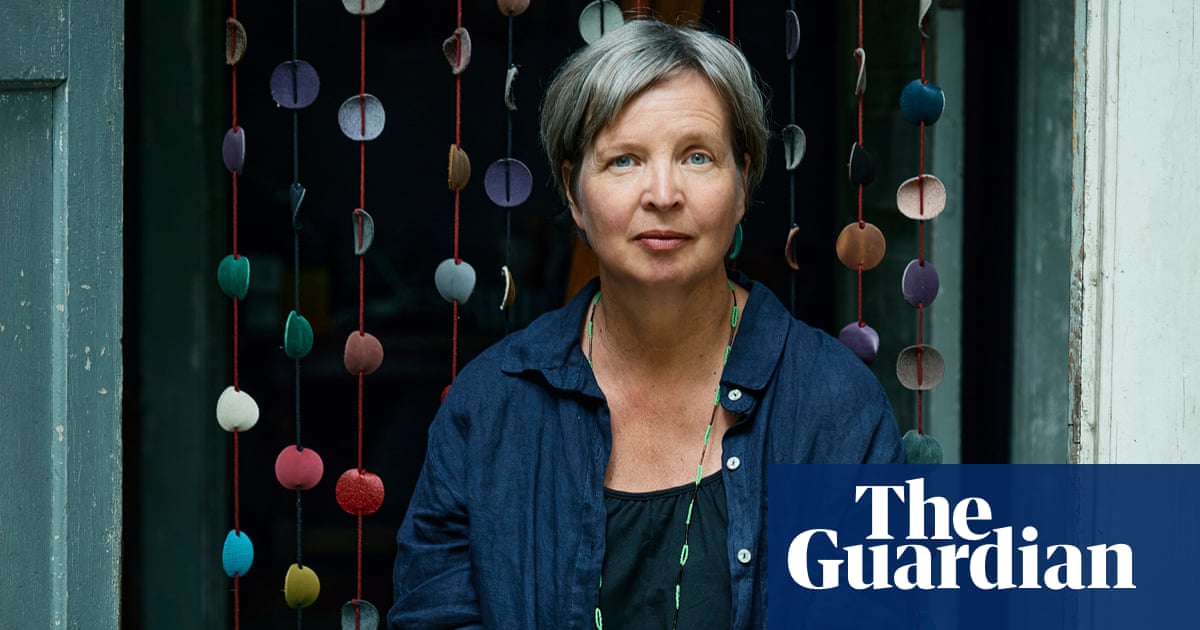
he Danish author Helle Helle’s They, published in the UK in a pin-sharp translation by Martin Aitken, charts the subtle and shifting bond between a teenage daughter and an ailing mother in prose that is minimalist but never austere. It’s one of those novels where little is spoken but everything, by the end, gets said.
The unnamed mother and 16-year-old daughter live above a hairdresser’s in a Danish backwater on the island of Lolland, where nothing much goes on. They walk across the spring-awoken fields, they shop for groceries, they join an evening class. Details of their past are scanty, fugitive: a few house moves, but nothing about the daughter’s father, who exerts a vague apophatic presence. Mostly, they enjoy a frictionless, symbiotic closeness: “They sit by the window a lot, and on the settee, and with the free local weekly … They lift their mugs, sip synchronous mouthfuls.”
Occasionally, there are flashpoints. When the mother straightens her daughter’s collar before school, the fast-maturing girl says: “Only you still do that.” For much of the novel, the daughter is preoccupied with her best friend, Tove Dunk, and parties where she drinks vodka from “little beakers made of wood”. She has the usual anxieties about her looks and where she stands in the hierarchy of popularity. And then, devastating news. The mother’s throat pain and lethargy are the symptoms of terminal illness. “The doctors can relieve the symptoms but the condition can’t be cured … Six months, perhaps a year.”