This prose work from the Nobel literature winner opens up her novels and offers beautiful imagery
W
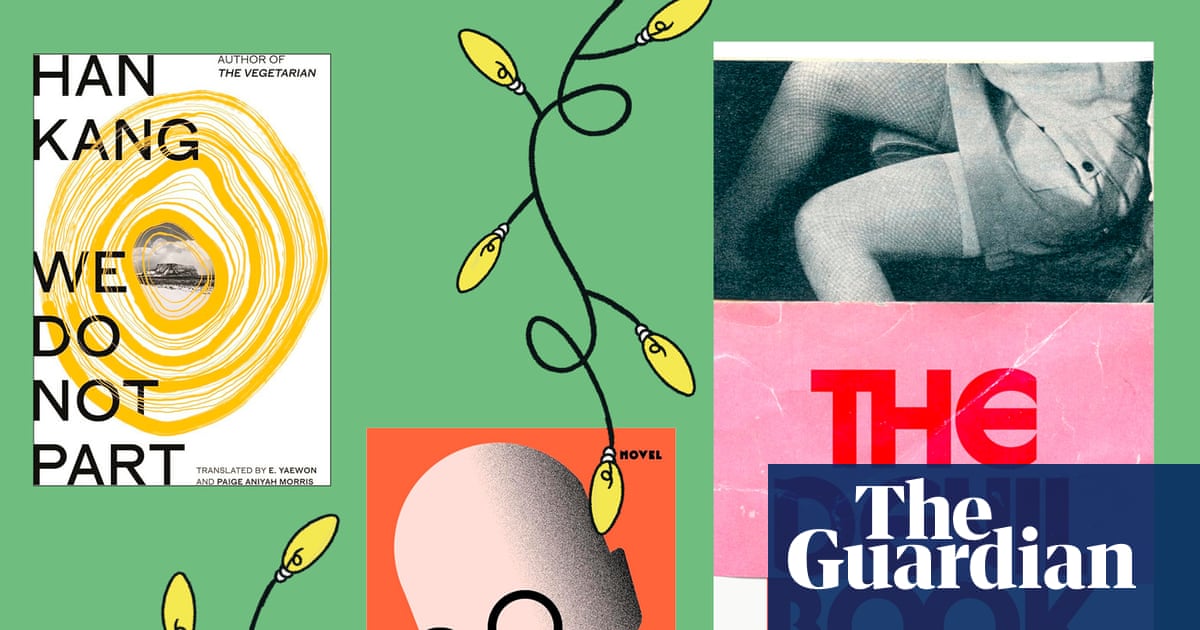
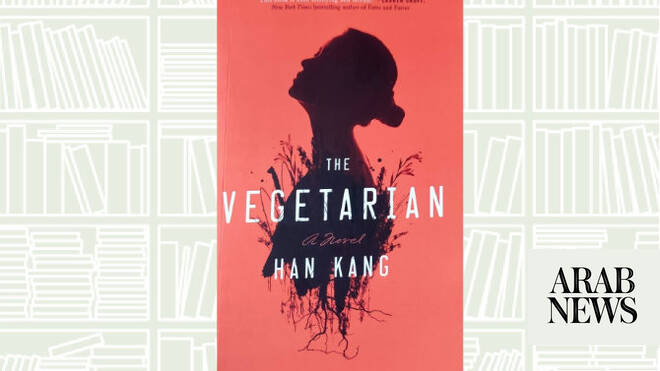
hen Korean novelist Han Kang won the Nobel prize in literature in 2024, the committee praised her “intense poetic prose that confronts historical traumas and exposes the fragility of human life”. In other words, Han’s work looks both out at the world – towards the 1980 Gwangju massacre fictionalised in her novel Human Acts – and inward to the human experience, as with The Vegetarian’s portrait of one woman’s claustrophobic struggle.
Much of the appeal of Han’s work is in its mystery, the gaps she leaves for the reader to close. So it is tantalising to have this collection of prose, “a book of reflections” that might illuminate the darker corners of her work.
It is a hope partly fulfilled. Light and Thread – the title from a poem Han wrote at the age of eight – comes in three parts, which we might categorise as writing, poetry and gardening. The title essay, her Nobel laureate lecture, does open up the novels a little. The Vegetarian, about a woman whose progressive rejection of social norms results in her trying to become a plant, was, we learn, inspired by questions such as, “To what depths can we reject violence?” A book for Han is complete “when I reach the end of these questions – which is not the same as when I find answers to them”.