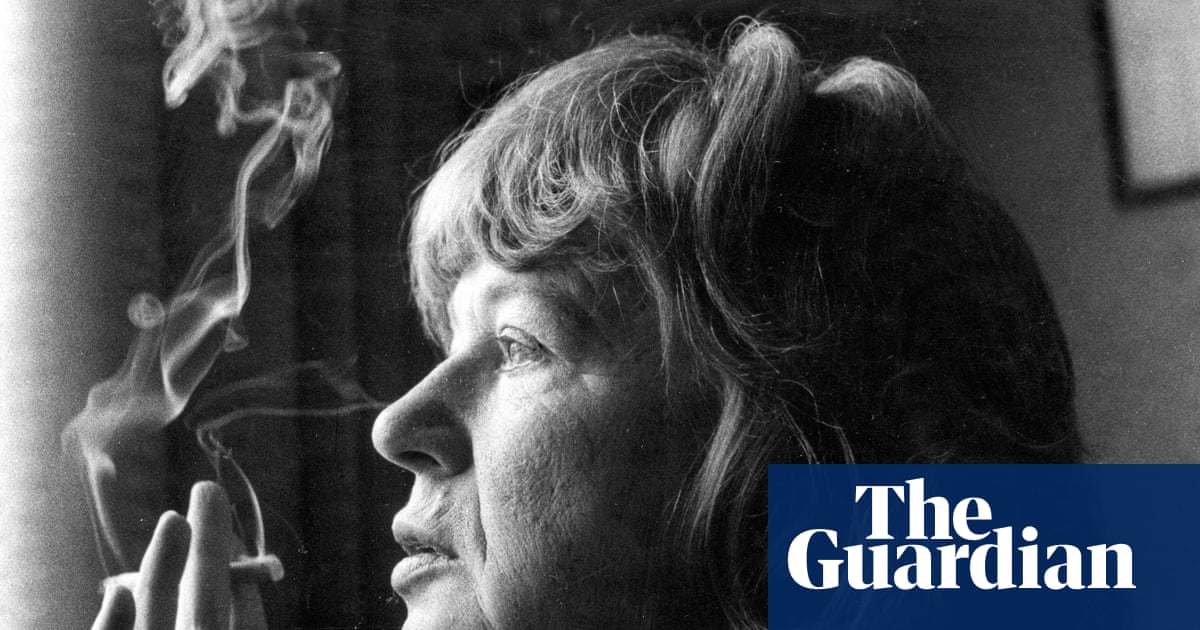
Originally published a year before her death, the Danish author’s final novel is an autofictional suicide note
T
ove Ditlevsen’s last novel, Vilhelm’s Room, was originally published in Denmark in 1975. As it begins, the protagonist, Lise Mundus, has just been abandoned by Vilhelm, her husband of 20 years. He’s a celebrity newspaper editor; she’s an acclaimed writer with a history of addiction. From a bed in a psychiatric ward, Lise publishes a lonely hearts ad: “Recently escaped a long, unhappy marriage – aged 51, but youthful in spirit – wonderful son, aged 15 – household literary name – summerhouse – large flat in the city centre – temporarily incapacitated by a nervous breakdown – prefers a motorist.”
The ad is seized upon by Lise’s malicious upstairs neighbour, Mrs Thomsen, who shows it to her young lodger/lover, Kurt, hoping he can financially exploit Lise. Kurt is duly installed in Lise’s home, but finds himself treated there with total indifference. Lise is wholly consumed with memories of Vilhelm and with plans to end her own life. We know she will carry these out; in the opening pages, she is already dead.
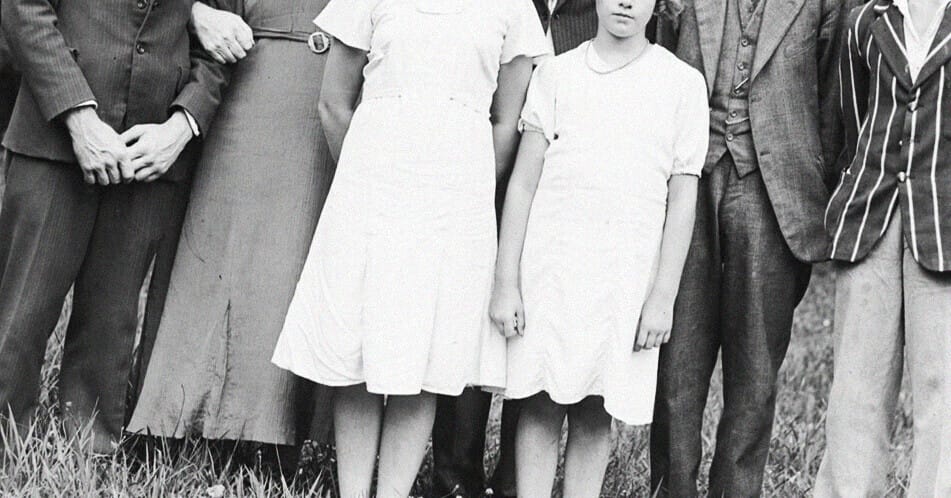
In the English-speaking world, Ditlevsen is best known for her great trilogy of memoirs, Childhood, Youth and Dependency. Her fiction is also often autobiographical to an unusual degree. Lise’s marriage isn’t just similar to Ditlevsen’s marriage to the editor Victor Andreasen – it’s identical. The lonely hearts ad is an edited form of one Ditlevsen really wrote. The book also deliberately elides the distinction between author and character. Sometimes Lise is a first-person narrator, but, from one word to the next, the “I” can become that of someone discussing a Lise who is already dead. In a typically jarring shift, we get: “Only one [photograph] have I kept: the photograph of Vilhelm and Lise at the top of Himmelbjerget. We are young and happy …”