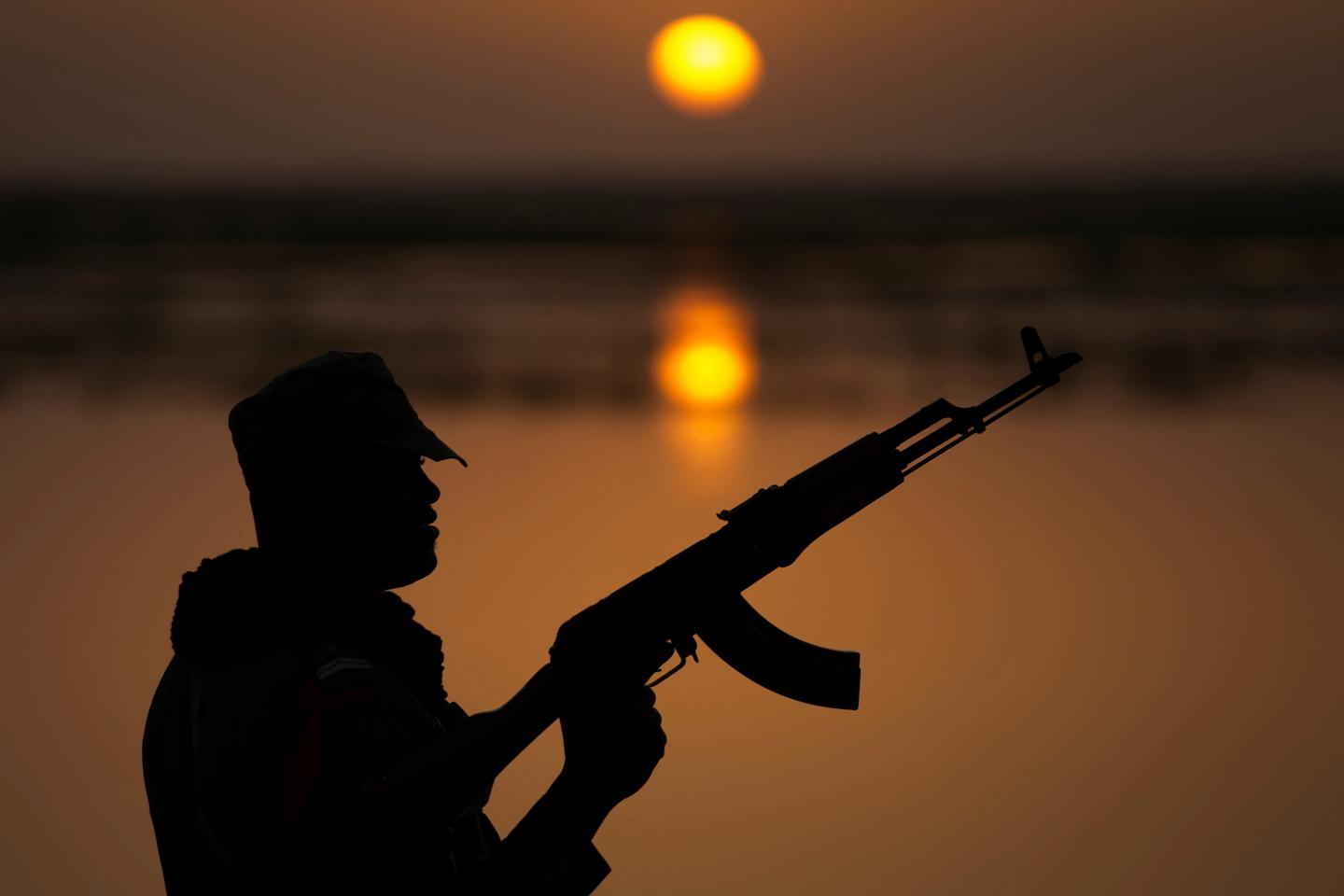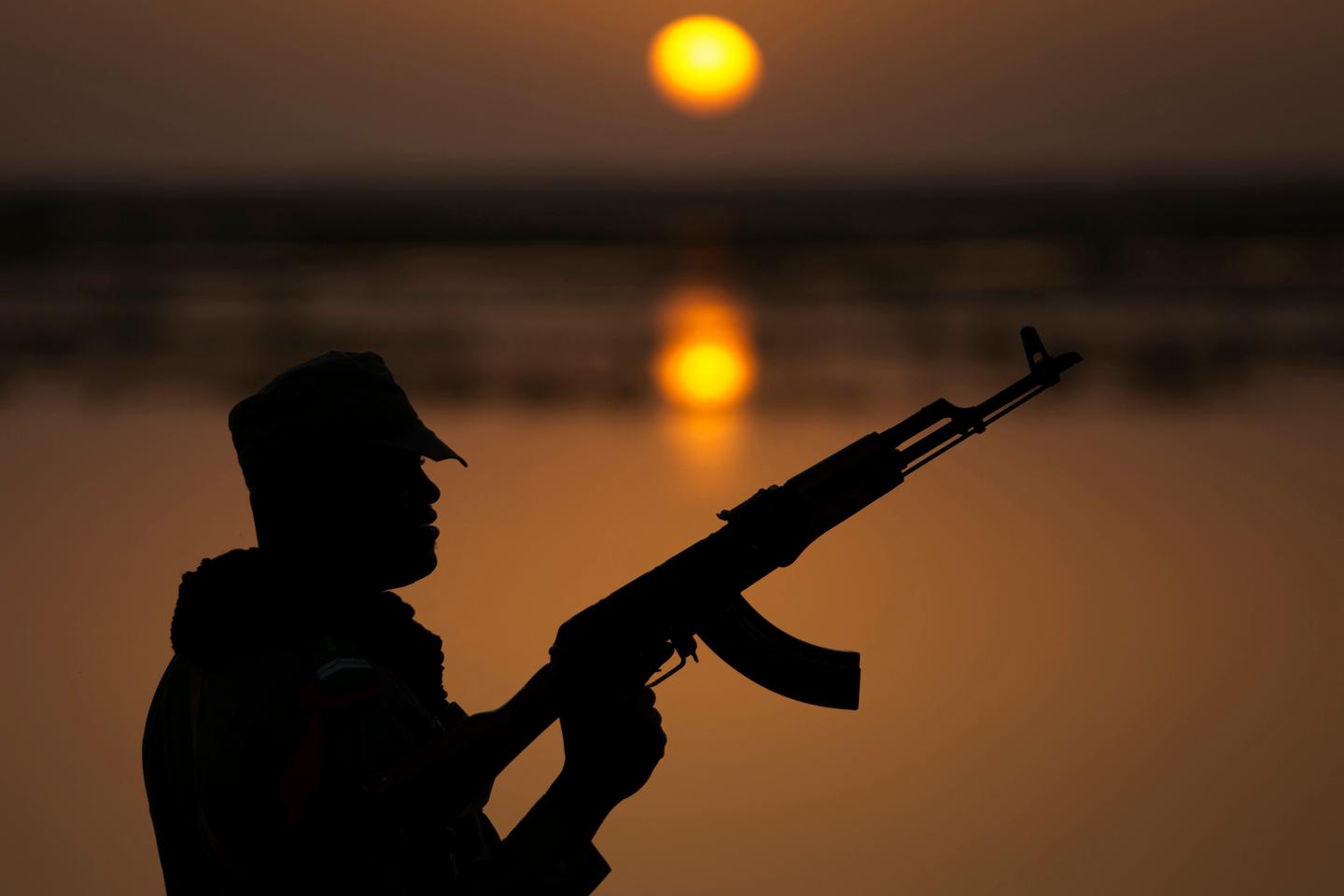
A Malian soldier on the banks of the Niger River in Gao, February 28, 2013. JOEL SAGET / AFP
Moussa (all first names have been changed) would regularly send updates from the front via WhatsApp. But after the attack on his detachment in Dioura, central Mali, on May 23, in which some 40 soldiers were killed by jihadists from the Support Group for Islam and Muslims (GSIM), Awa, his mother, stopped receiving any messages. "At first, I tried to find out more from the authorities. I got no response," she said.
Subscribers only
Jihadists are intensifying drone attacks in the Sahel
Nearly a month later, two soldiers claiming to be from the army's social services arrived at her home. "They told me my son had fallen on the field of honor and that he fought for the defense of the nation until his last breath," Awa said. The visitors said no more, refusing to tell her where her son was buried. They gave her a sack of rice, some food supplies, an envelope with 100,000 CFA francs (about €150) and promised her "long-term" financial assistance. "Since then, I have had no further news," she said, disappointed.