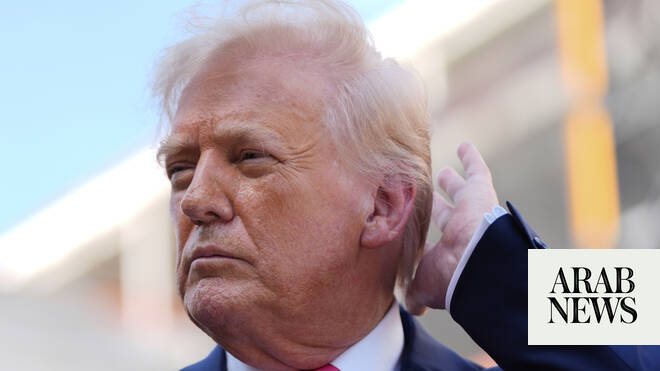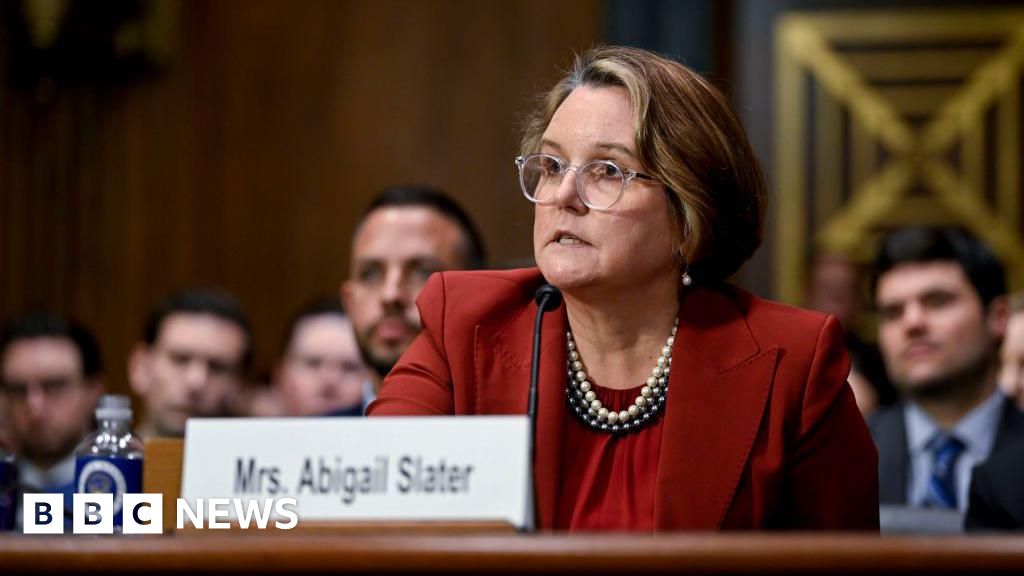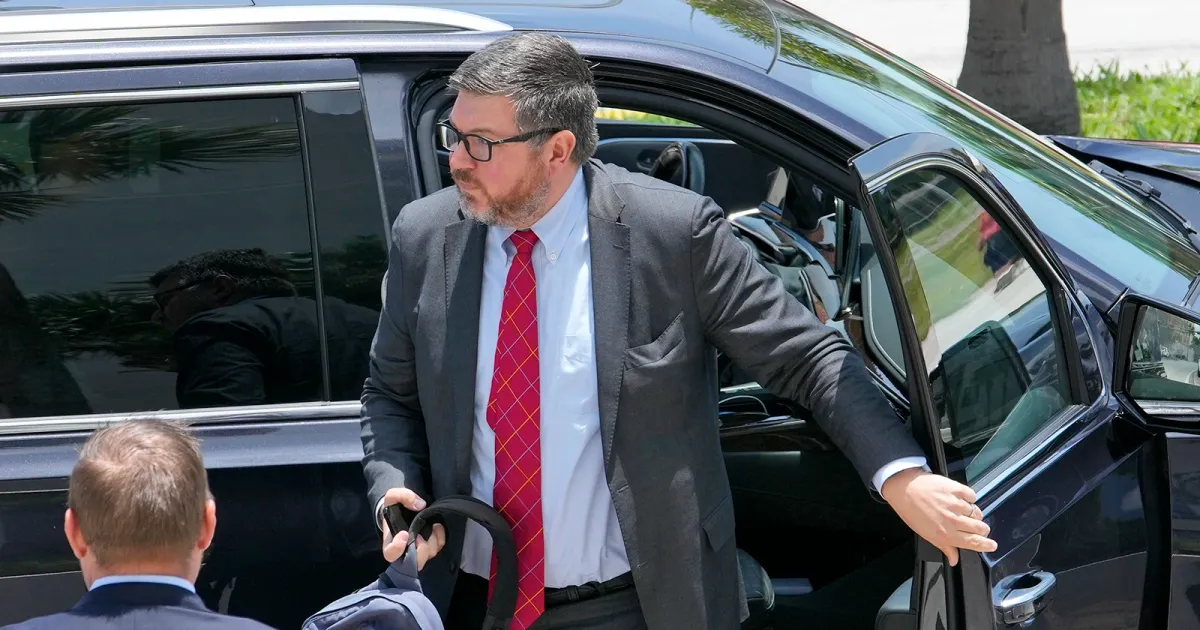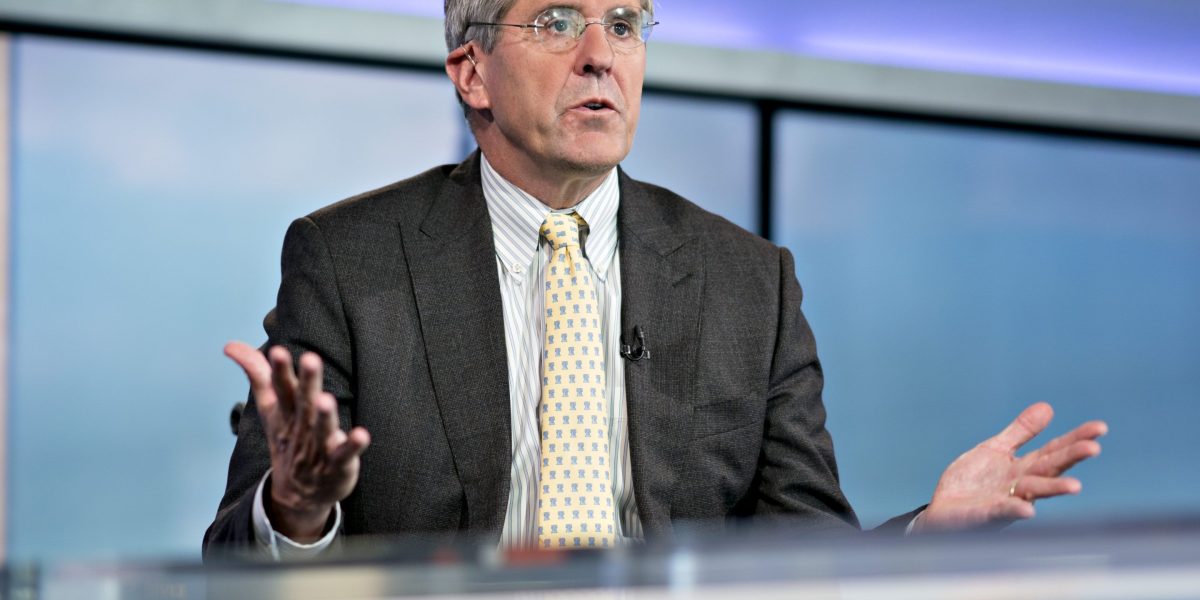
Two top officials are reportedly out of a job, amid reported disagreements within the Justice Department over how it regulates deals.
By Andrew Ross SorkinBernhard WarnerSarah KesslerMichael J. de la MercedDanielle KayeIan Mount and David Meyer
Andrew here. The text messages I received from workers at 345 Park Avenue on Monday were chilling: “We’re huddled in place,” one wrote. Another felt trapped, and some even piled couches against doors. The gunman stormed a building — home to Blackstone, the N.F.L., KPMG and Rudin Management — before he killed himself and others, including a Blackstone executive, Wesley LePatner, the firm said.
This shooting again brought gun violence to corporate America’s doorstep, after a gunman killed UnitedHealthcare’s C.E.O., Brian Thompson, in December. While the investigation into Monday’s shooting continues, the authorities have found a note in which the gunman mentioned the N.F.L. and blamed football for his mental illness. He had a license to carry a gun in Nevada.
This tragedy raises critical questions about security in New York, mental health and gun control. It also forces us to consider the role businesses should play in trying to influence solutions for these issues. In the past two years, the answer has largely been silence. Most companies remain quiet, afraid to offend policymakers, some customers, or even employees. But silence is a choice — and right now, it may be worth re-evaluating.