https://arab.news/gzaed
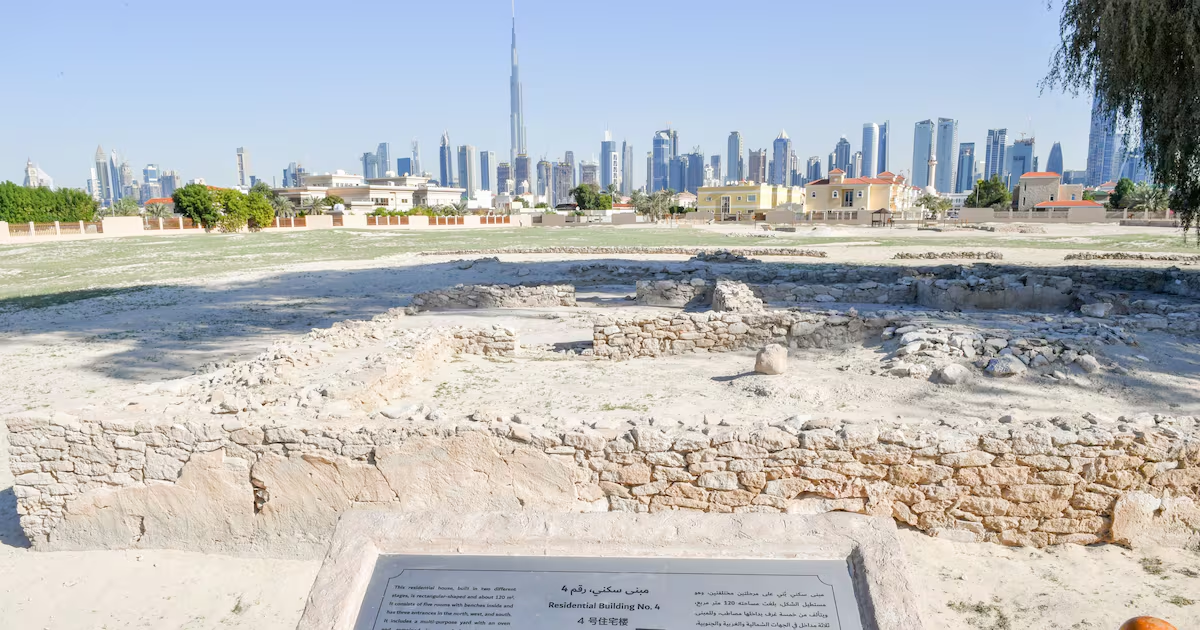
In 1954, the British administrator and army officer Sir Rupert Hay observed: “(Dubai) flourishes on its entrepot trade, and its souks or markets on either side of its broad creek are the most picturesque I have ever seen in the Middle East and take one back to the time of the Arabian Nights. In the narrow lanes roofed with matting, where the gloom is flecked by spots of sunlight, Arabs, Persians and Balochis display their multifarious and many-colored wares. Wild-eyed tribesmen with their camel canes and daggers haggle with the shopkeepers and the wealthier Persian merchants, with their long, flowing robes and gold-brocaded headdresses, pass to and fro, intent upon their business. Graceful dhows glide into the creek, lower their sails and cast anchor while, the whole day long, small craft are busy ferrying shoppers from one bank to the other. The rectangular houses of the sheikhs and merchants with their tall wind-towers cast white reflections on the water. Conditions are no doubt primitive, but there is an air of bustle and prosperity about the place that gives it a peculiar charm.”
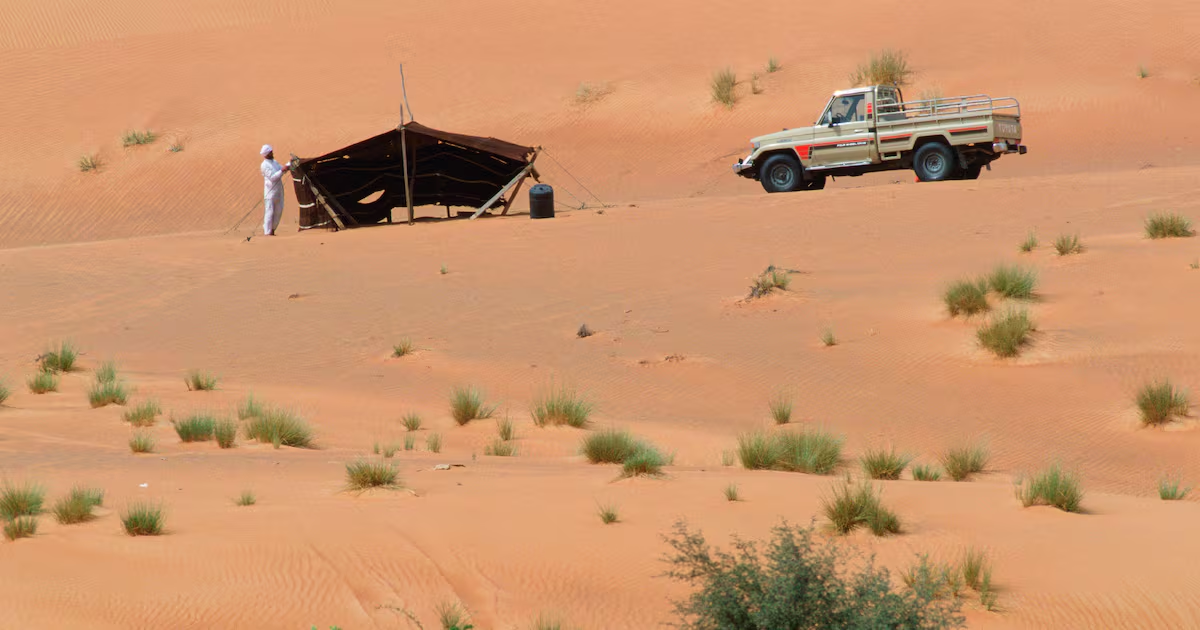
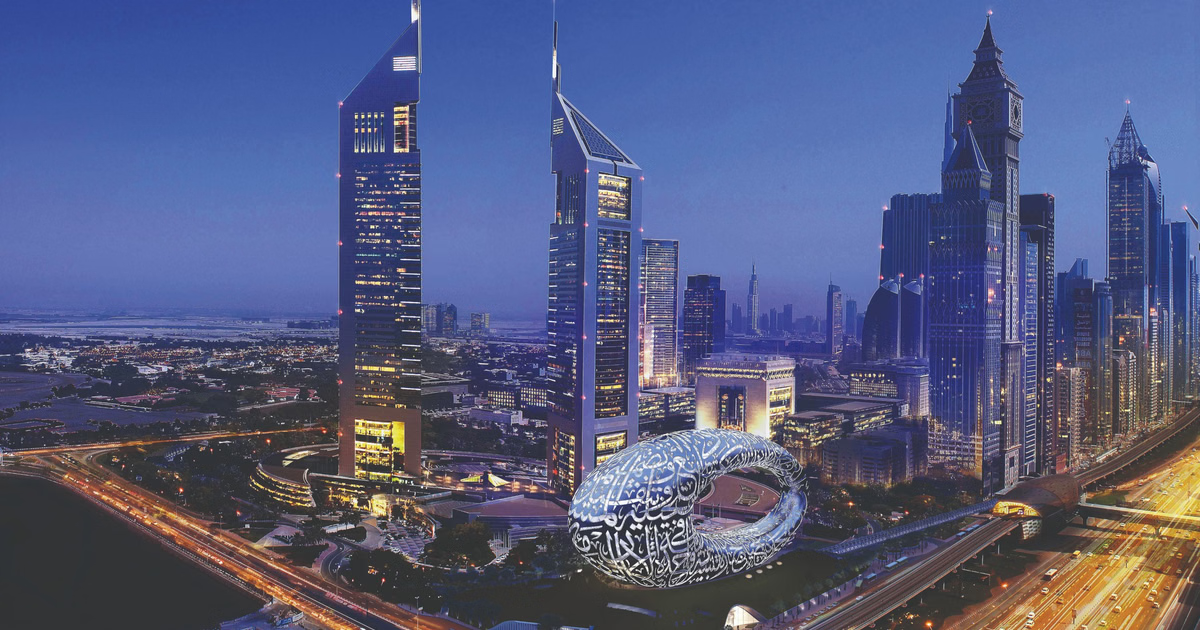
Hay’s words captured more than a vivid tableau of mid-century Dubai; they revealed the essence of a place animated by openness, enterprise and coexistence. Long before national strategies were drafted or policy frameworks formalized, the people of this region were already living the values that continue to define the UAE today — through trade, hospitality and the building of trust across cultures and borders.