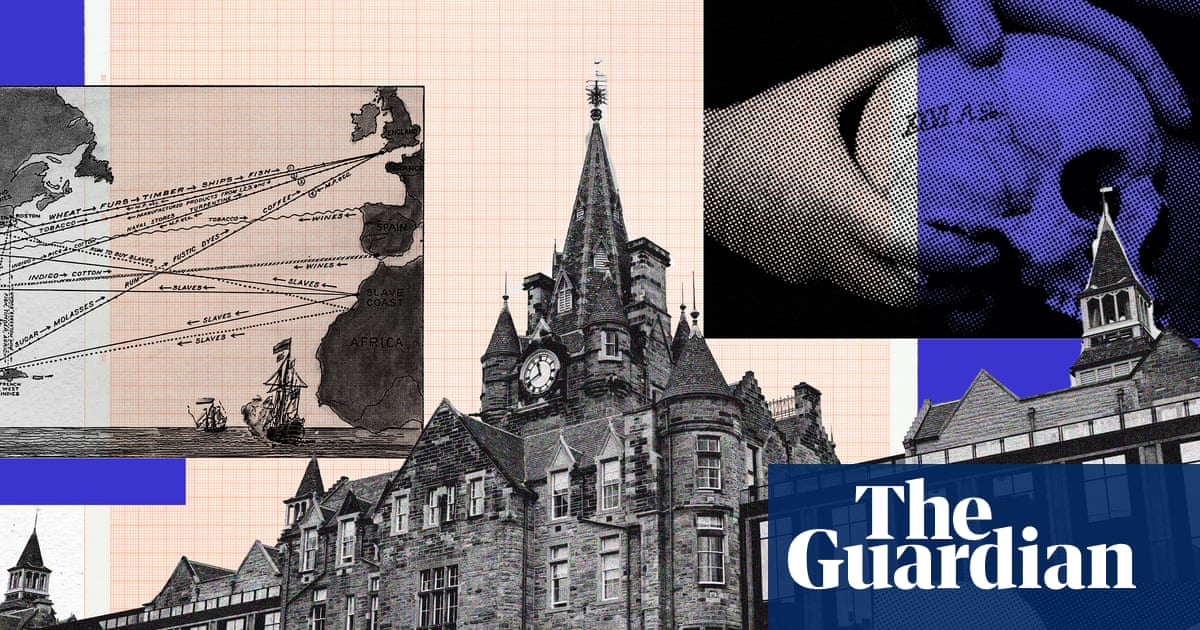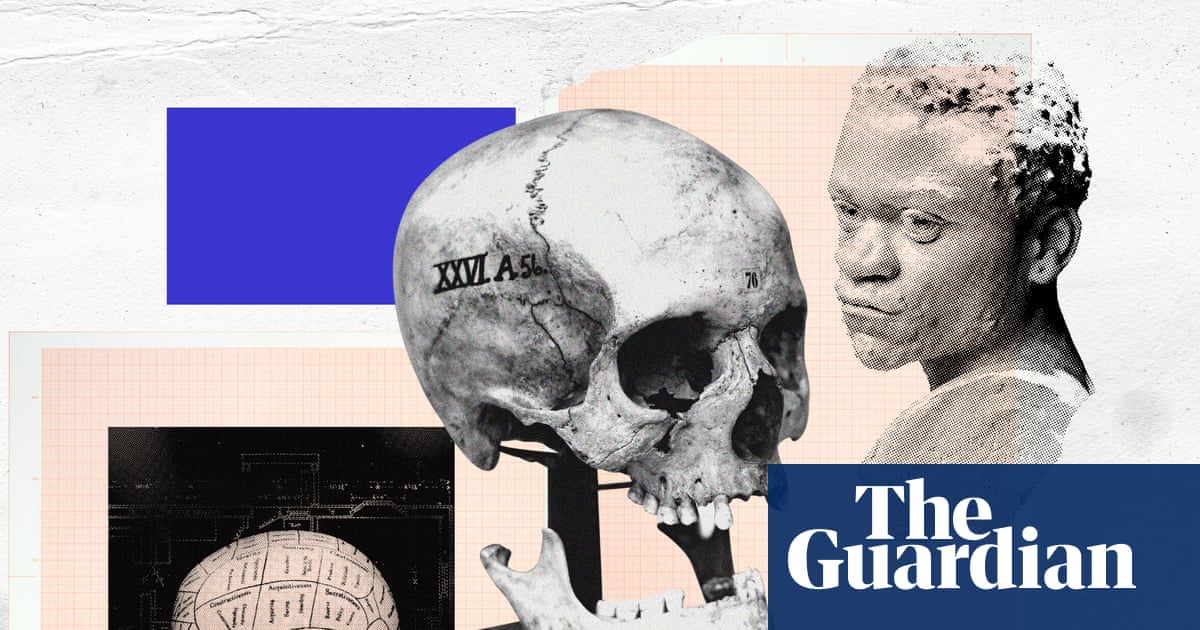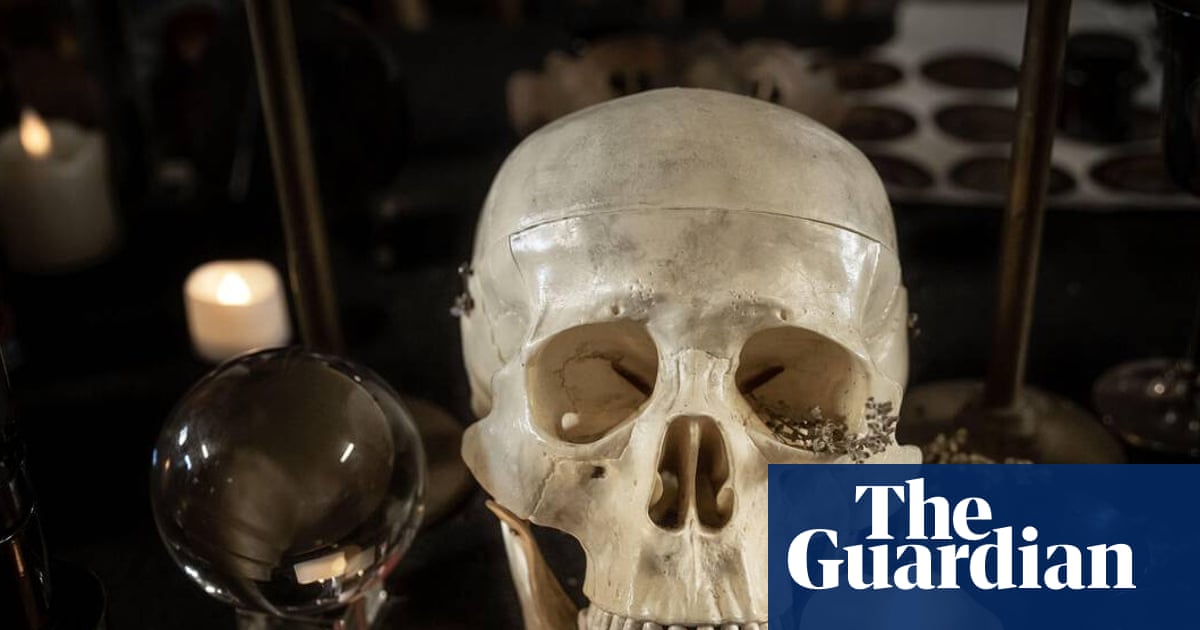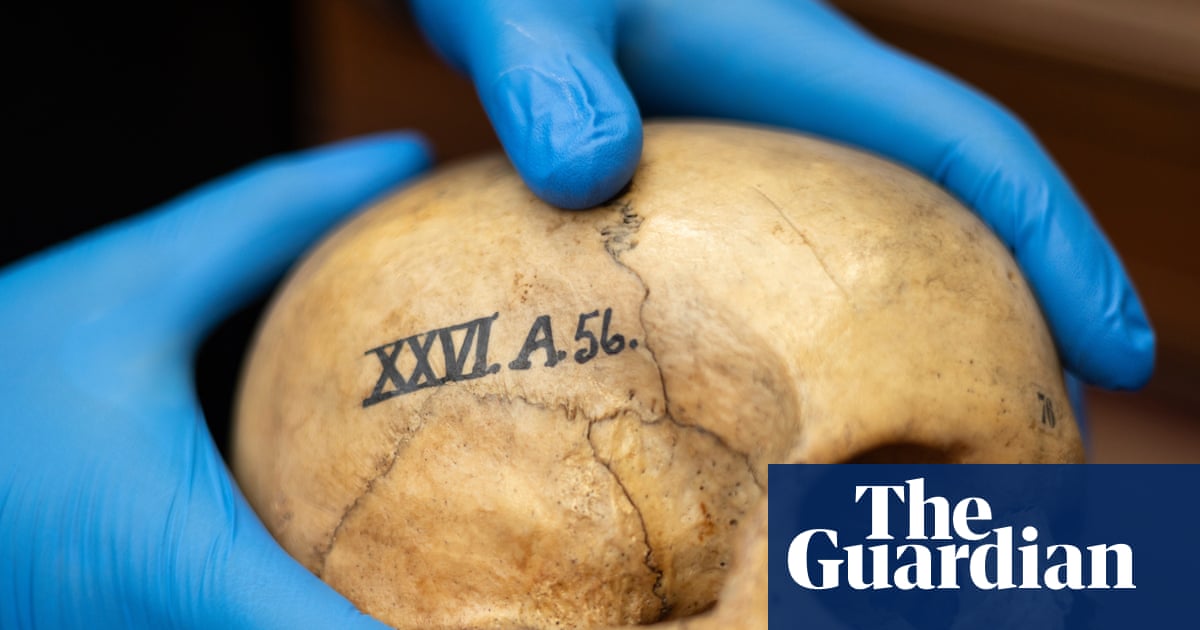
Skulls were collected from all over the world because of some academics’ fascination with phrenology, the discredited belief that skull shape denoted intelligence
Hundreds of skulls are neatly and closely placed, cheekbone to cheekbone, in tall, mahogany-framed glass cabinets. Most carry faded, peeling labels, some bear painted catalogue numbers; one has gold teeth; and the occasional one still carries its skin tissue. This is the University of Edinburgh’s “skull room”.
Many were voluntarily donated to the university; others came from executed Scottish murderers; some Indigenous people’s skulls were brought to Scotland by military officers on expeditions or conquest missions. Several hundred were collected by supporters of the racist science of phrenology – the discredited belief that skull shape denoted intelligence and character.
Among them are the skulls of two brothers who died while studying at Edinburgh. Their names are not recorded in the skull room catalogue, but cross-referencing of matriculation and death records suggests they were George Richards, a 21-year-old medic who died of smallpox in 1832, and his younger brother, Robert Bruce, 18, a divinity scholar who died of typhoid fever in 1833.