Resurging interest in theories of racial exceptionalism is turbocharged amid nuance-light world of social media
P
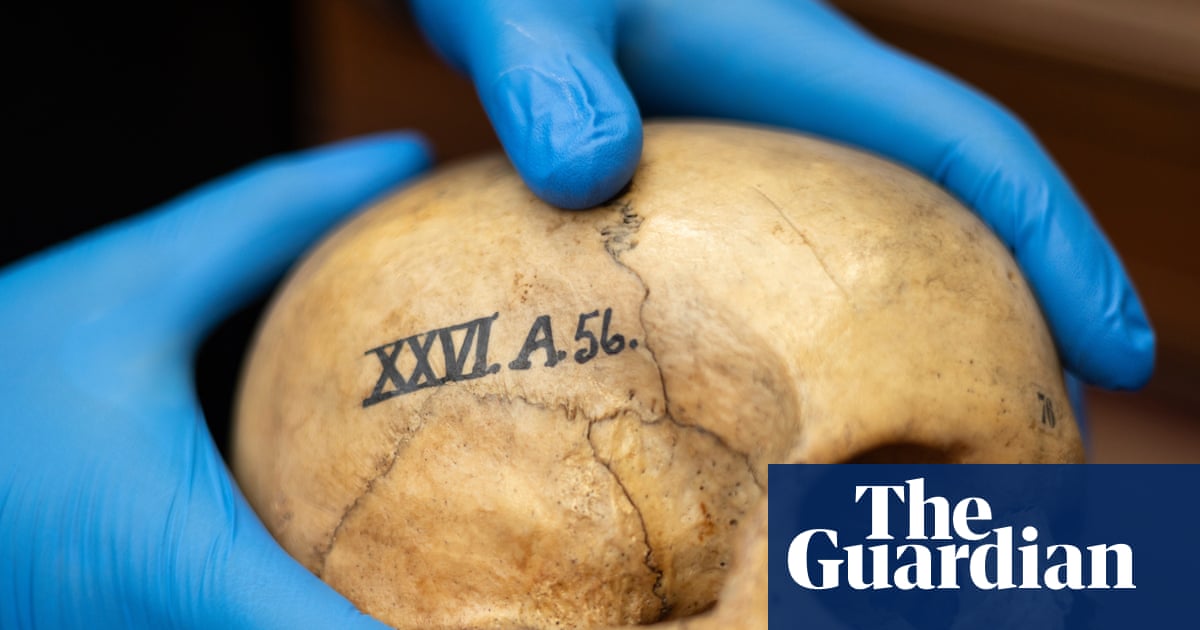
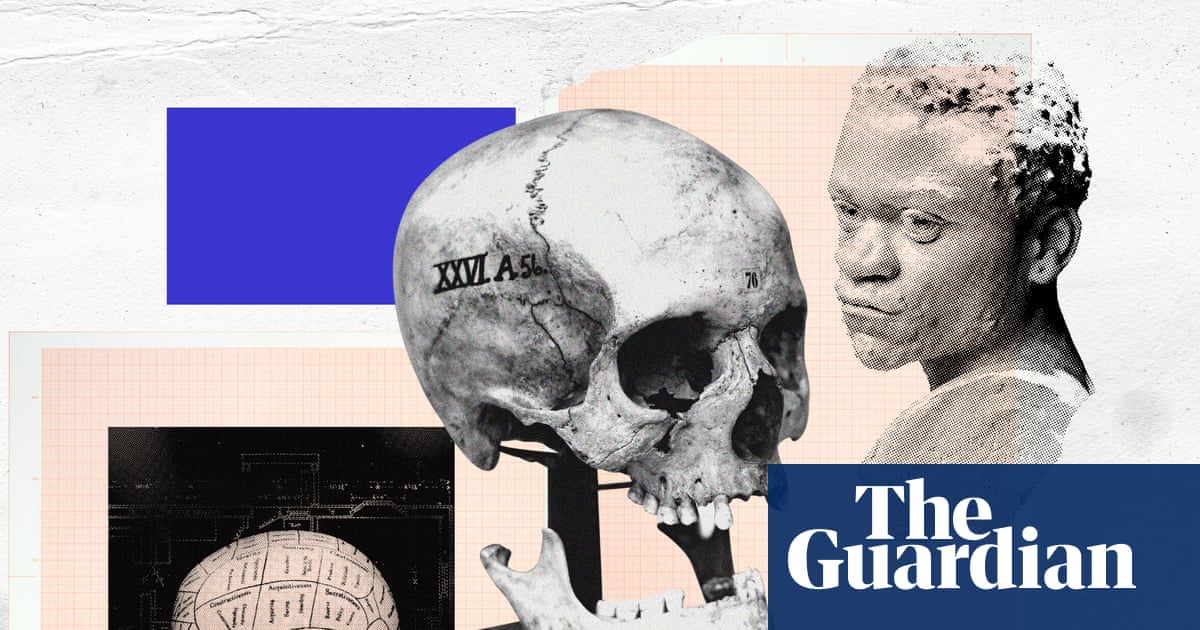
hrenology was long ago added to the junk heap of discredited theories. But in the 200 years since the Edinburgh Phrenological Society turned this pseudoscientific method to study the skulls of black Africans, Indians and white Europeans, scientific racism has continued to re-emerge in different guises.
In the 19th century, as scientists were intent on classifying the natural world into taxonomic categories, some of Edinburgh’s most celebrated intellectuals argued that different human races were so distinct that they ought to be considered separate species. The University of Edinburgh report on its legacy of links to slavery and colonialism notes that non-white populations were invariably depicted as inherently inferior, offering a convenient justification for colonialism.
As this view became untenable, scientific racism shifted into the domain of eugenics in the 20th century. Francis Galton, the English statistician who coined the term, argued for social measures aimed at “improving the stock”. Edinburgh’s then chancellor, the former Conservative prime minister Arthur Balfour, was a prominent supporter and became honorary vice-chair of the British Eugenics Education Society in 1913.