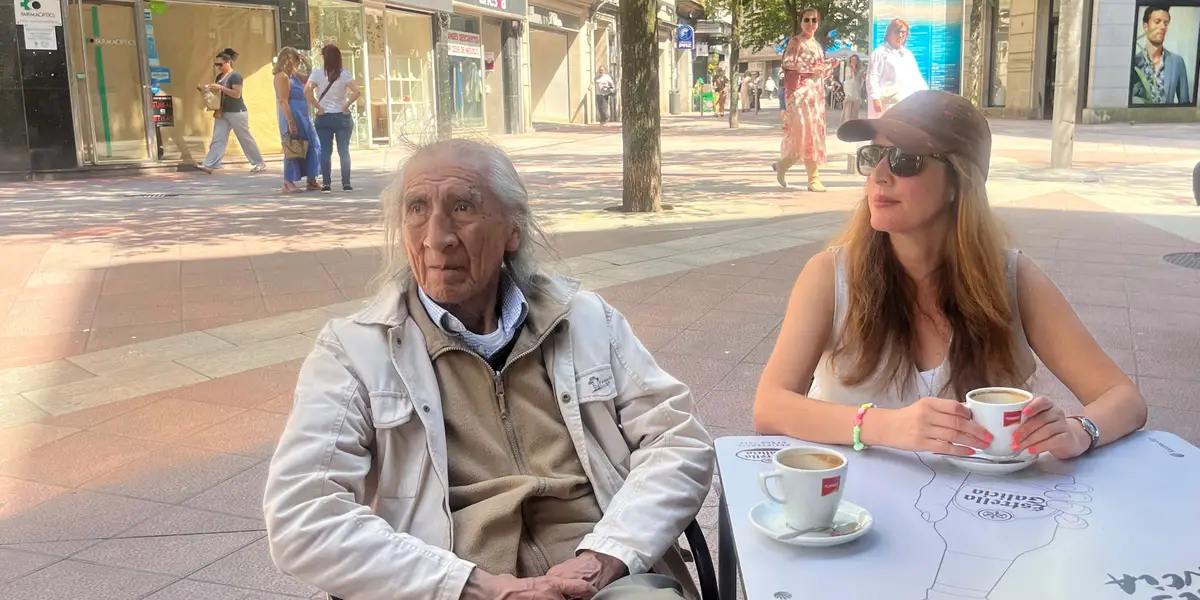
In June 2021, I was sitting in a small outside café in Stowe, Vermont. My husband and I were chatting with a lovely elderly Peruvian man sitting nearby. His name was Pedro. He had a character-rich face, a warm smile and a mischievous twinkle in his eye.
I’m a casting director in Los Angeles, perpetually on the lookout for interesting faces, and my husband and I love meeting people and striking up conversations with strangers. Just as I was about to quiz Pedro more on his life, I got a phone call from a recruiter at the University of Southern California's Keck medical center about a new drug trial for Alzheimer's disease.
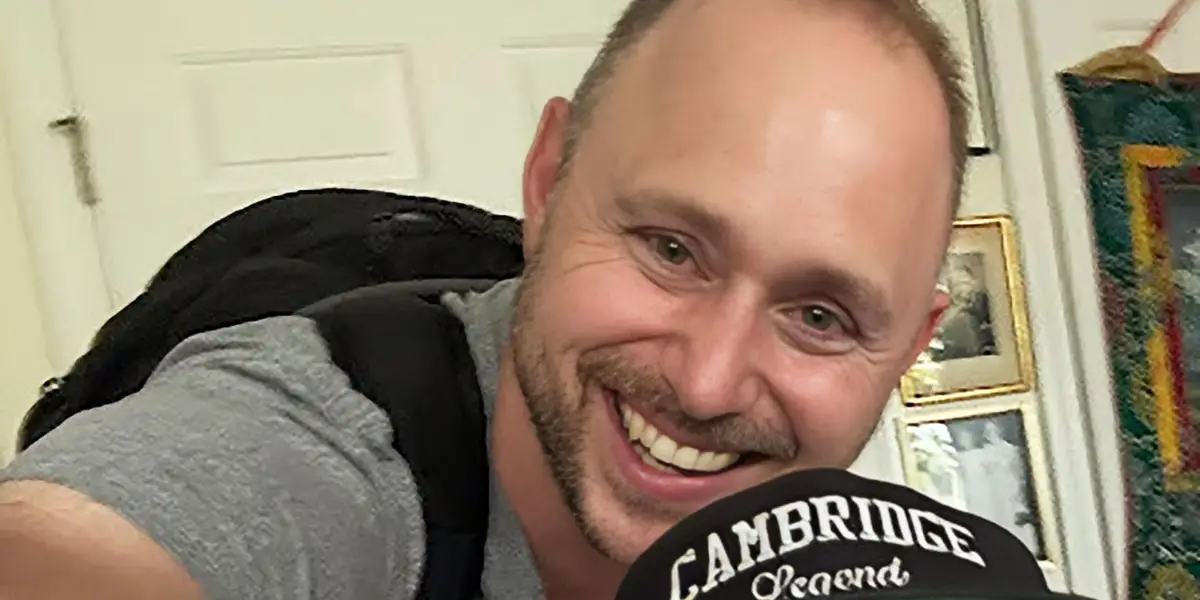
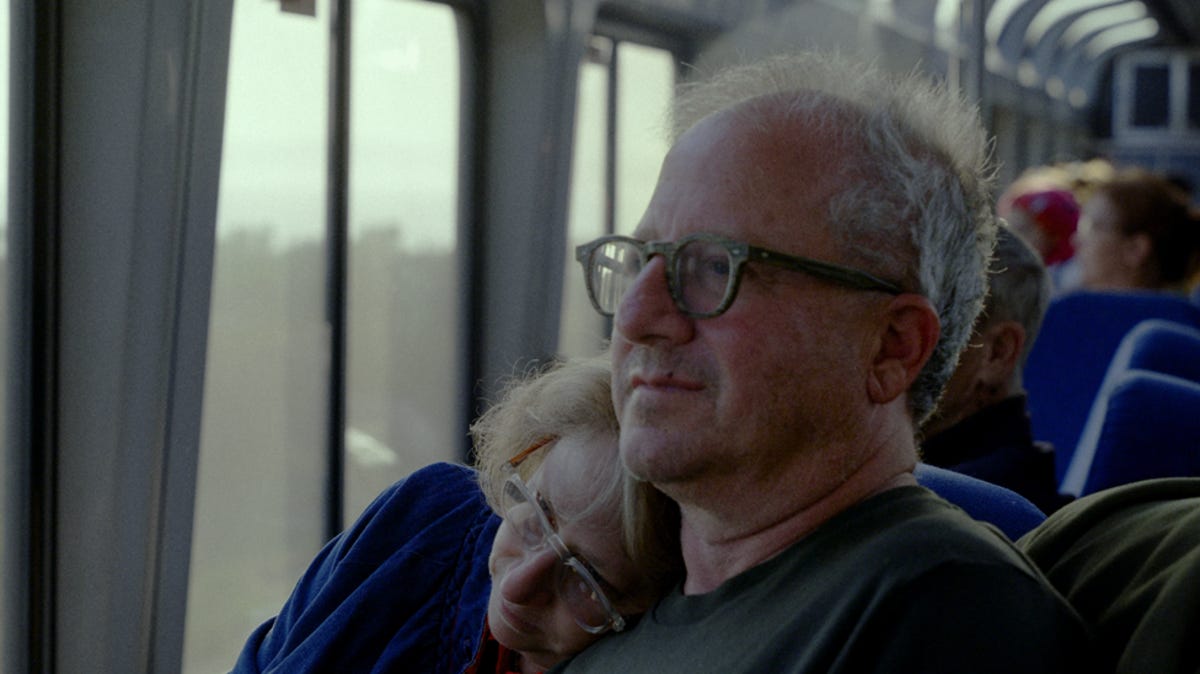
My husband, Charlie Hess, was living with early onset Alzheimer’s, and though you might not notice right away, the challenges were real. Living with Alzheimer’s doesn’t need to be a story of pure tragedy. It’s a terrible disease ‒ a disease that should be much further along in developing treatments ‒ but because Alzheimer’s is more invisible than, say, a person battling cancer, the disease has largely been ignored.
This accelerated trial for the drug known as donanemab held the promise of slowing the progression of Alzheimer’s by clearing the amyloid plaque that many view as a key driver of the disease. It’s a more complex trajectory ‒ Alzheimer’s is a multifactorial disease ‒ but clearing amyloid might be akin to prescribing statins for people with high cholesterol to help keep their arteries from clogging and causing a heart attack.