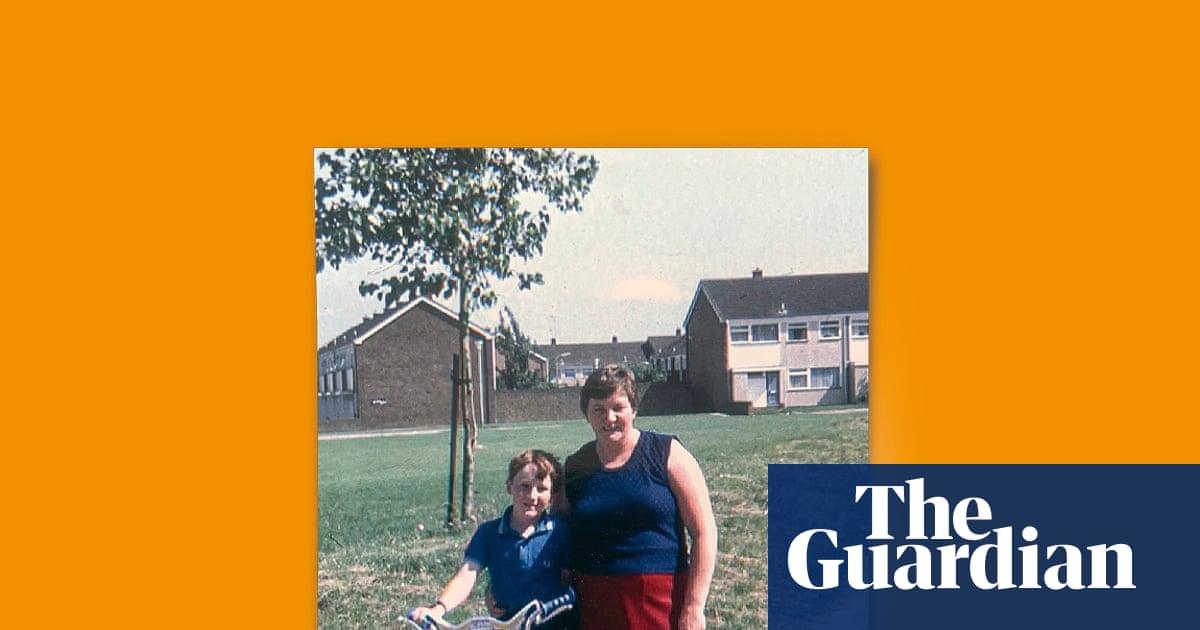
As Alzheimer’s tightens its grip, we have started making our way through the hundreds of albums in my childhood home. But some are too painful to revisit
A
couple of months ago, my mother moved into a nursing home. Her Alzheimer’s has progressed to a point where it’s no longer safe for her to live alone, and she now needs round-the-clock care. It has been my task to empty out her house, where she lived for more than 50 years.
It’s not a job I would have asked for; it requires that I trawl through memories that aren’t mine, or shared memories that are painful for one reason or another. But my mother is no longer able to make these decisions herself, about which of her possessions are worth keeping hold of and which should be discarded, either for practical reasons of space or necessity or because a continued attachment to the stories behind them might do more harm than good. By deciding these things for her I’m curating her life story.
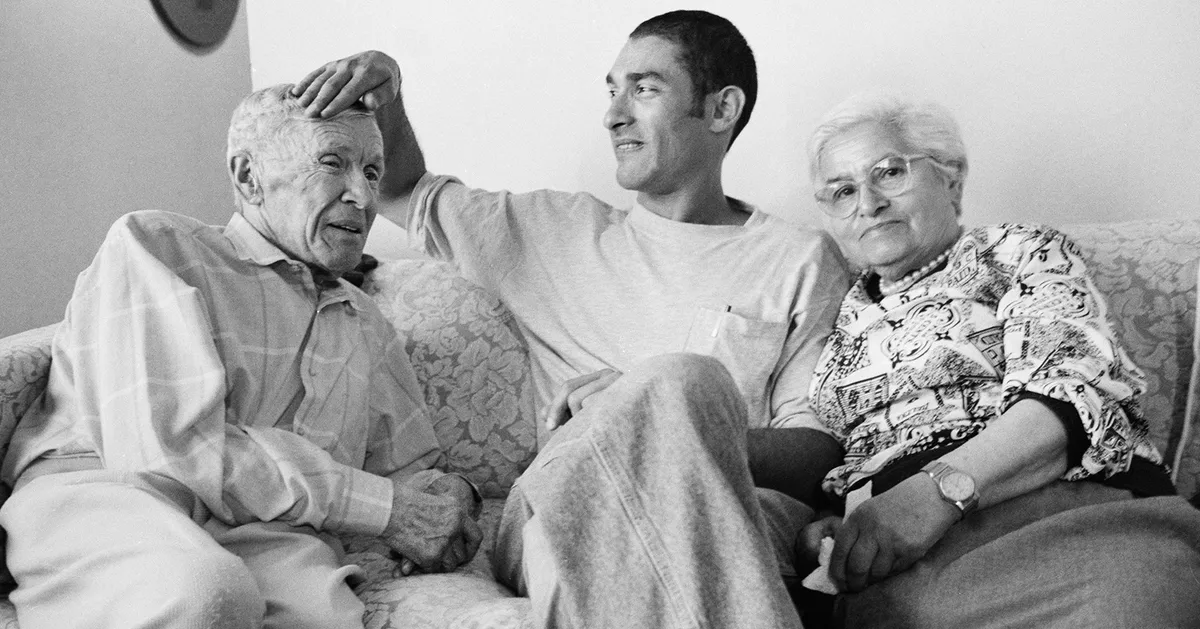
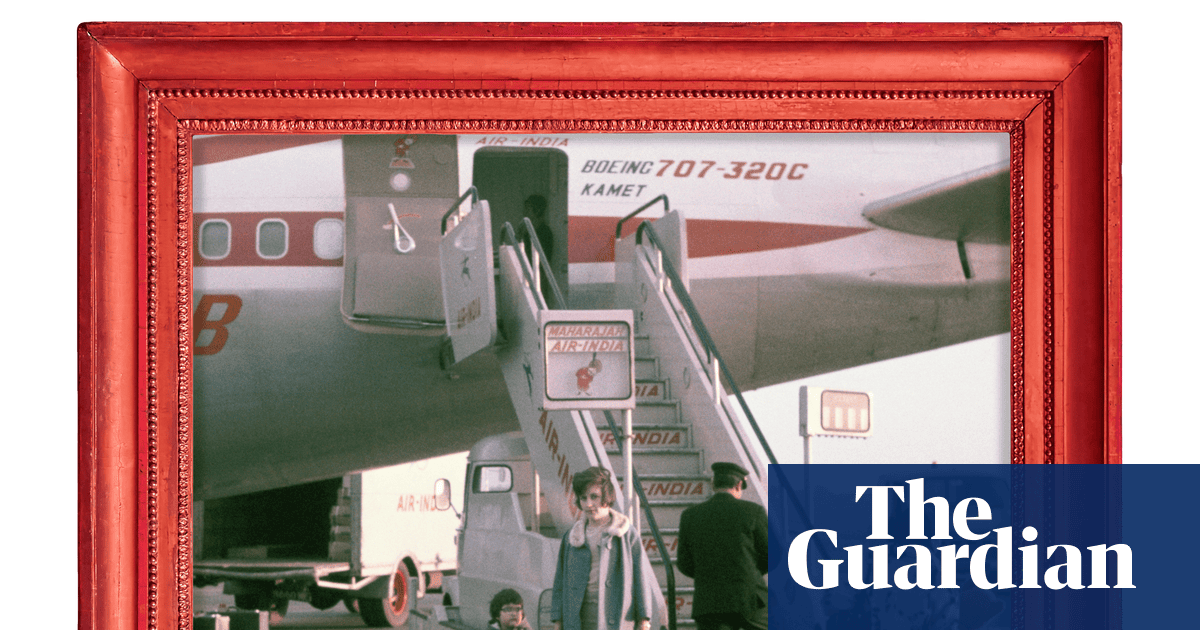
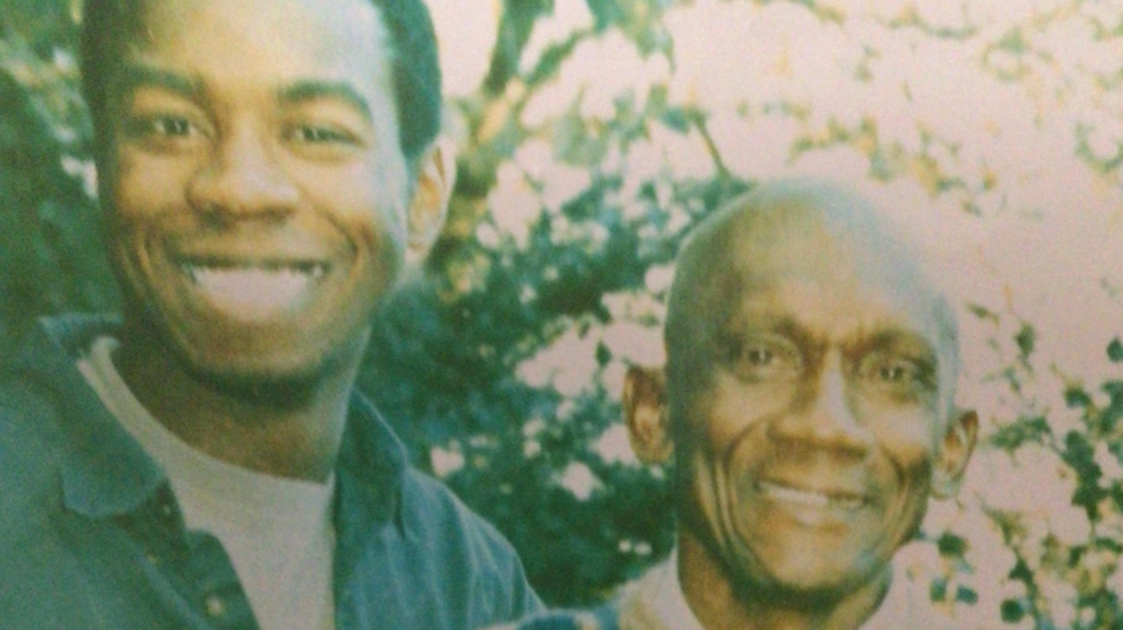
Photographs form a large part of the source material. There are hundreds of them, spilling from tattered envelopes and pasted into leatherette-bound albums, or framed in torn cardboard or peeling gilt. Among them are faces I haven’t seen in years, faces I’d sooner forget, faces that hint at a family history that extends back further than my own experience. Ghosts benign and malicious, ancestors in the uniforms of war, correspondents from foreign lands whose lessons went unheeded.