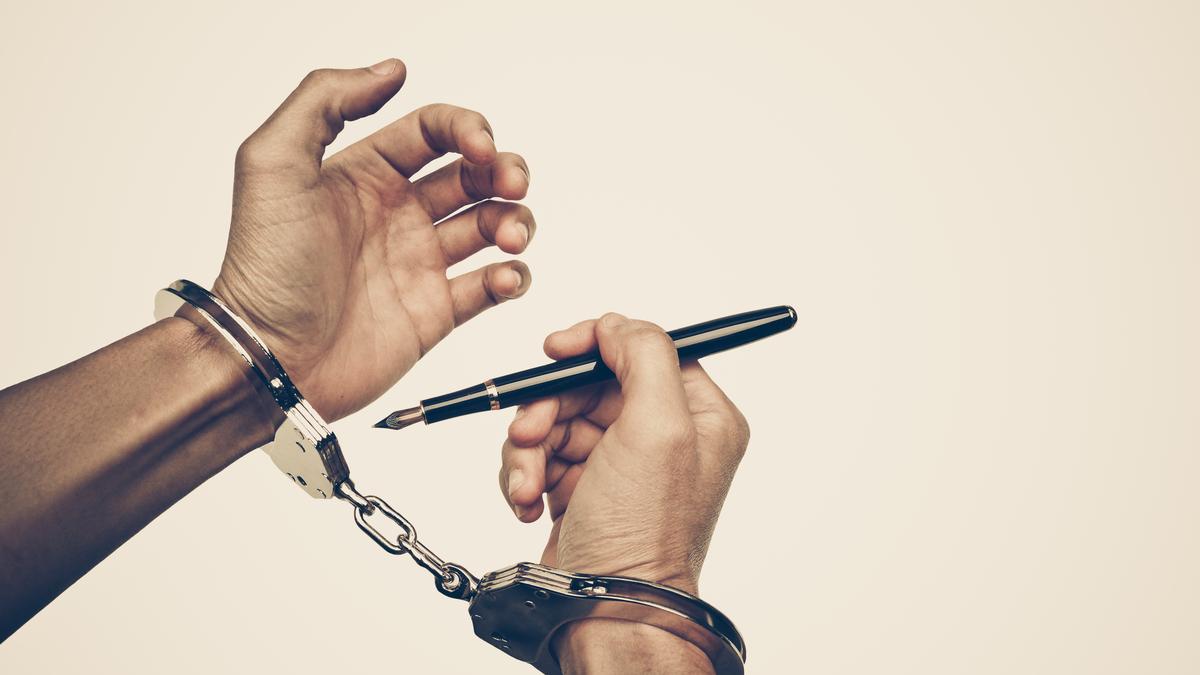
Reporting on public officials, religious matters, and protests were the three most common reasons for which a journalist in India faced criminal charges, a study, co-authored by the National Law University (NLU), Delhi, has found.
The study said that journalists from small cities and towns, or those who reported for local publications, in Hindi or other regional languages, were most impacted, and their cases often did not receive national or international media attention.
The other two authors of the report are TrialWatch, an initiative of the Clooney Foundation for Justice, and Human Rights Institute at Columbia Law School.
The report, ‘Pressing Charges: A Study of Criminal Cases Against Journalists Across States in India’, was based on an analysis of 423 criminal cases registered against 427 journalists covering a total of 624 incidents of “criminalisation of journalists” in relation to their work from 2012-2022.
At least 40% of the journalists covered in the dataset were arrested, the study found.