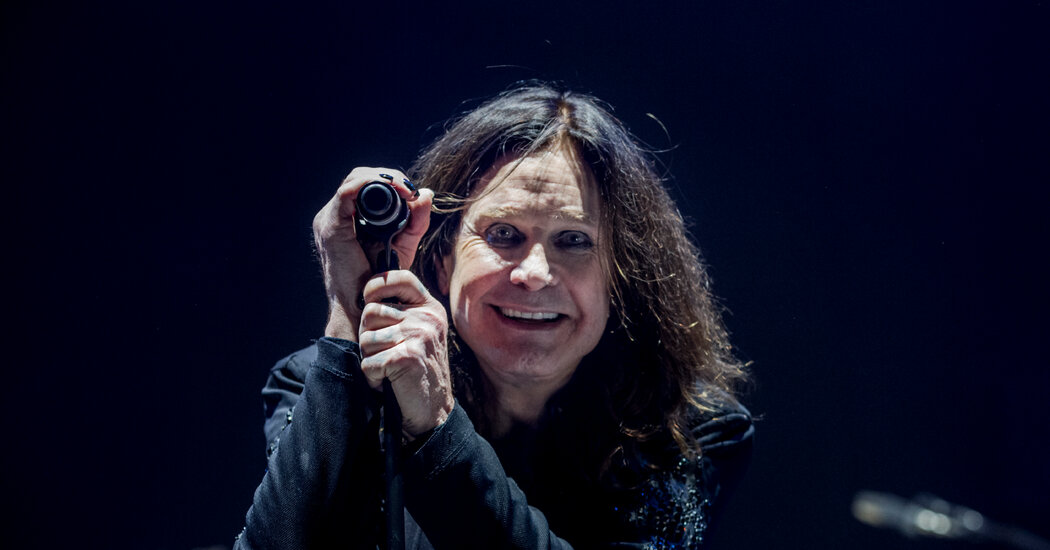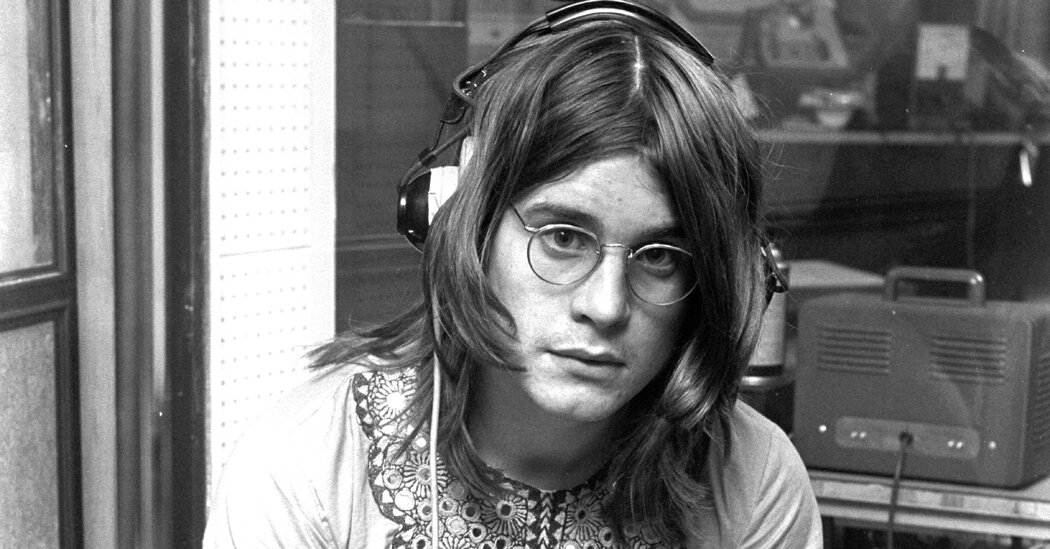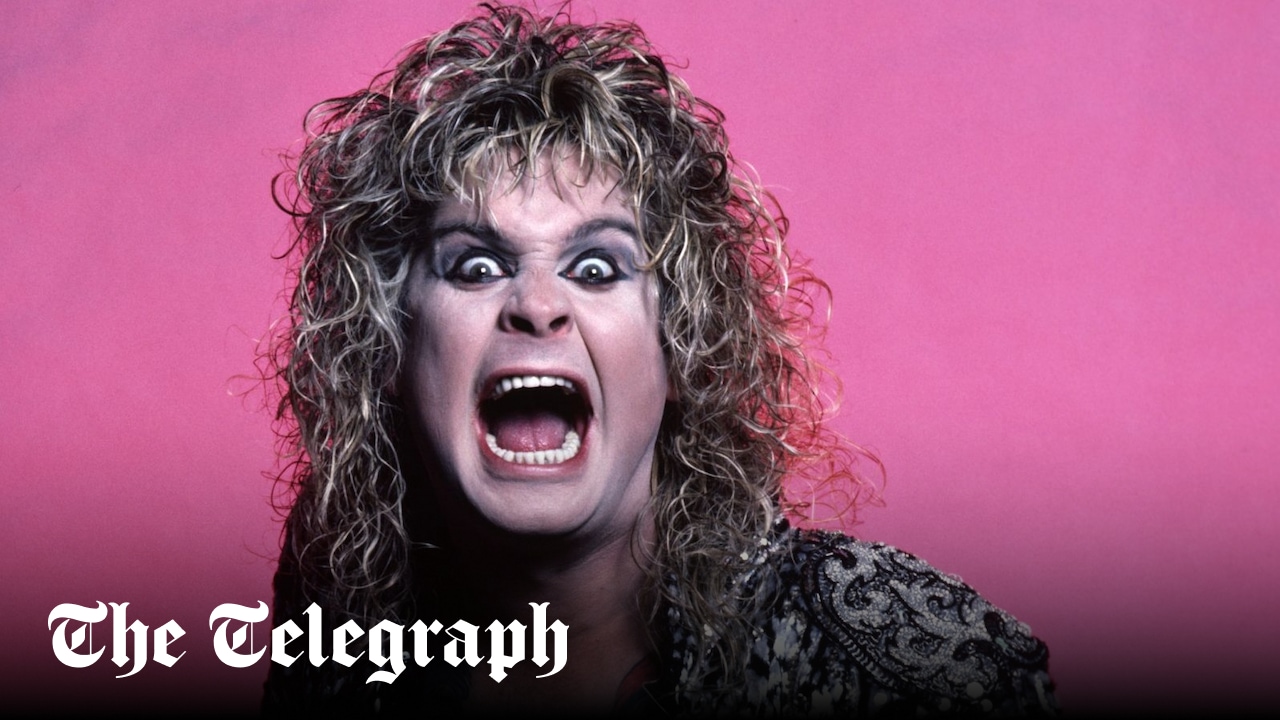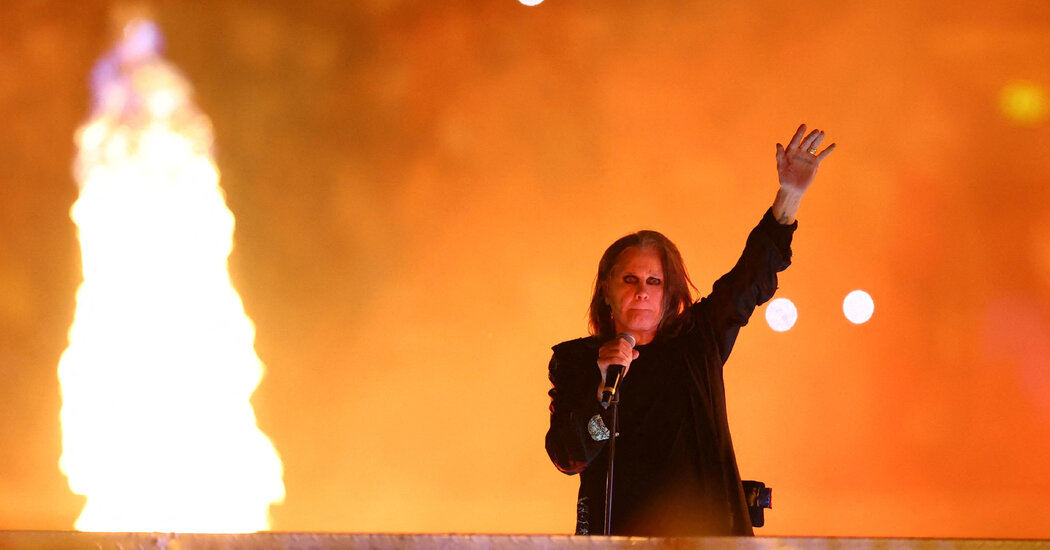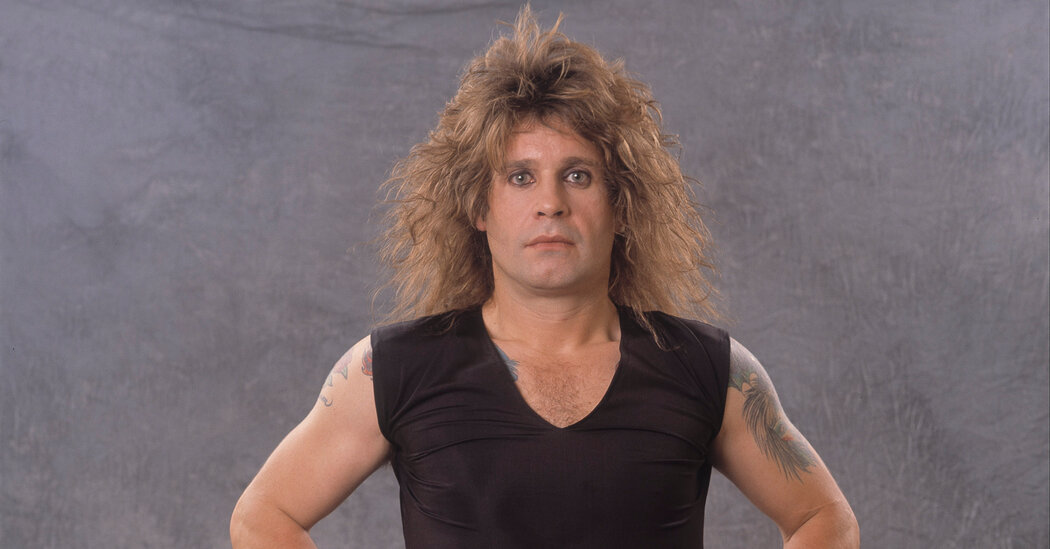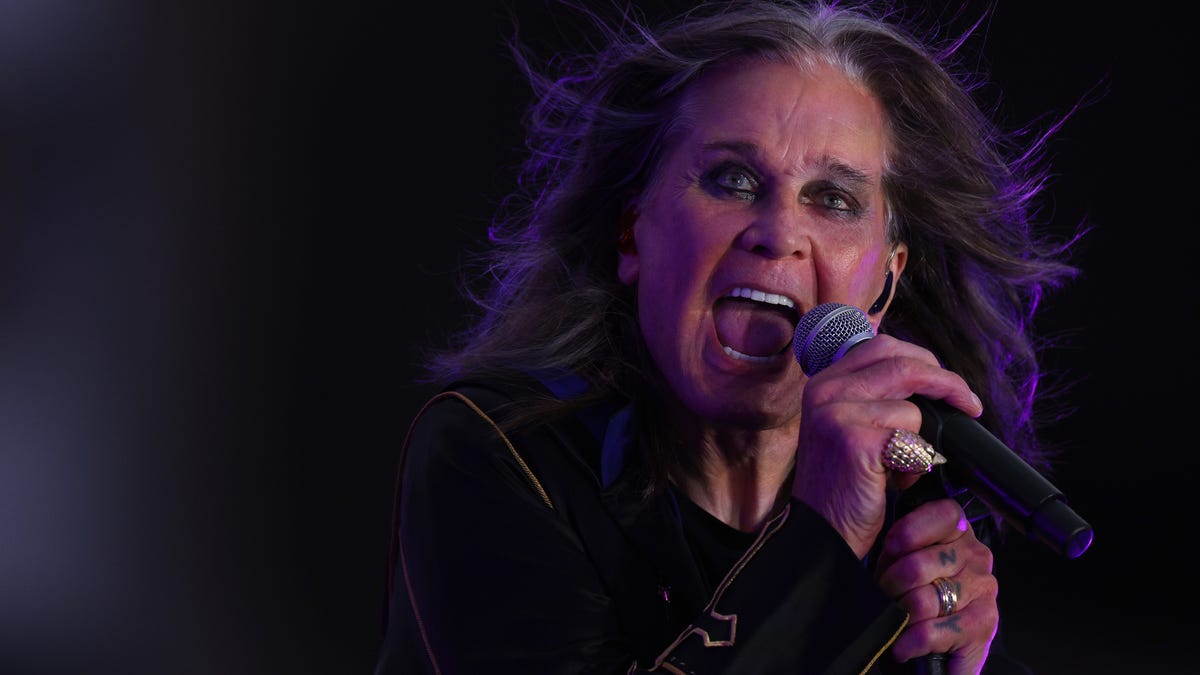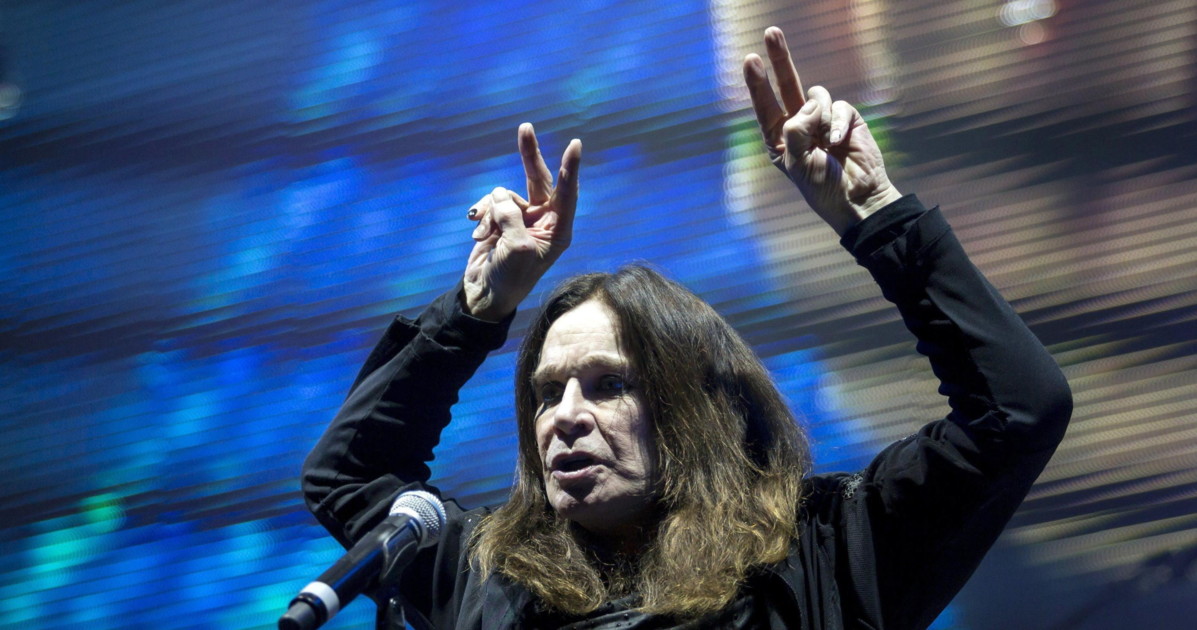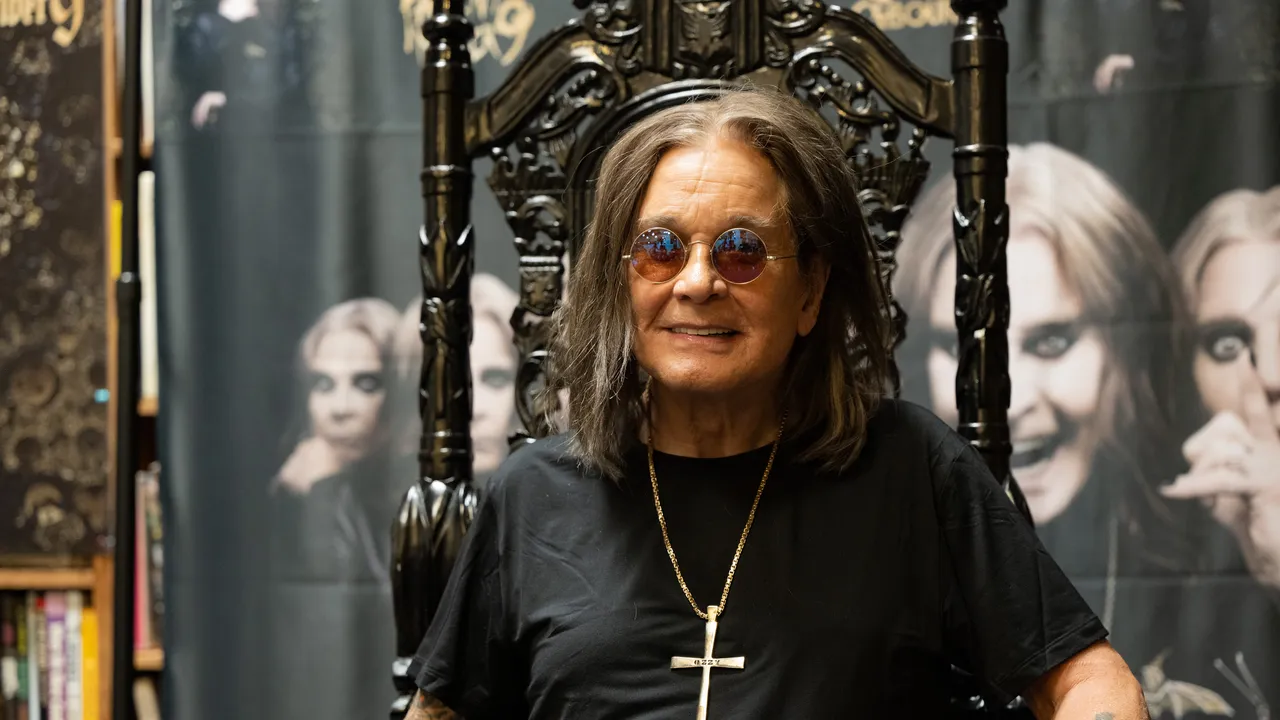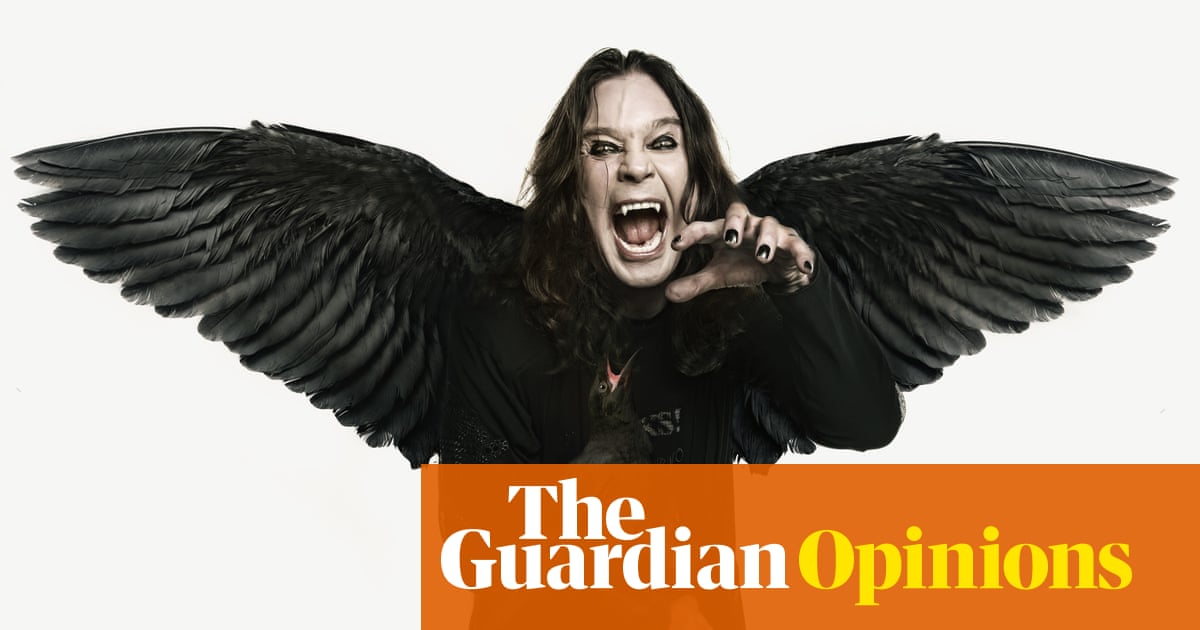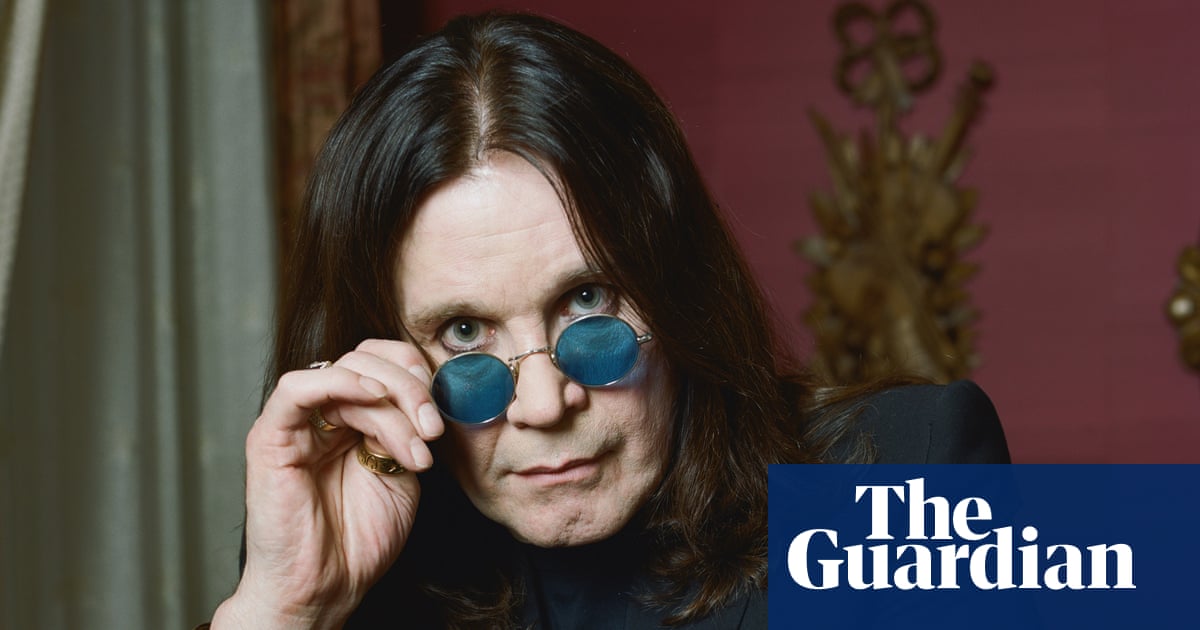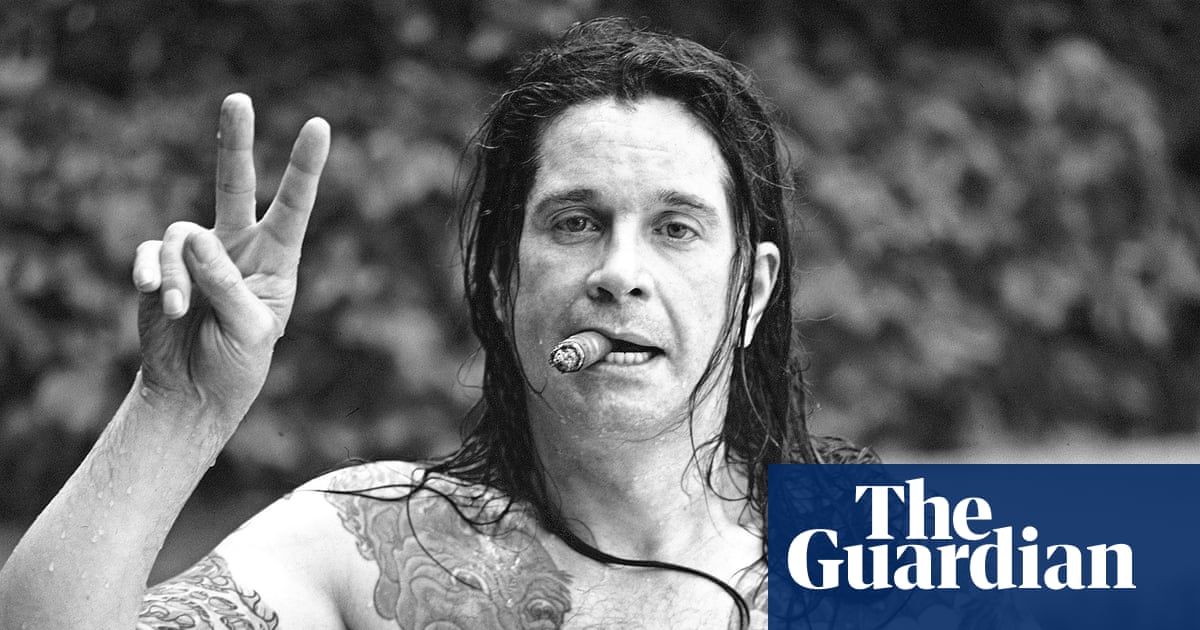
From his desolate wail on Black Sabbath’s doomy 70s masterpieces, to the twisted self-awareness of his huge-selling solo albums, Osbourne’s vocal style influenced generations of heavy metal
Alexis Petridis on Ozzy Osbourne, the people’s Prince of Darkness who took heavy metal into the light
Ozzy Osbourne: a life in pictures
Ozzy Osbourne’s voice was probably at its strongest and most distinctive during the great run of Black Sabbath albums of the early 1970s, before years of drugs and alcohol took their effect. In those days, his desolate wail had reach and range, and a deep melancholy. That tone was perfect for the subject of this bleak and blasted reflection on cocaine (Vol 4 was dedicated to “the great COKE-Cola company of Los Angeles”). Osbourne sounds like a man who has been wiped clean, both terrified of and in thrall to the drug: “The sun no longer sets me free / I feel the snowflakes freezing me.” At a time when cocaine was still considered a party drug, the fervour in Osbourne’s voice as he celebrates enslavement to it is deeply unsettling – it’s every bit as amoral and devout in its drug worship as Lou Reed’s Heroin.
It’s pointless trying to extricate the sound of Osbourne himself from Sabbath as a band: at their peak, they were a single being with four heads, but a single musical will – they were perhaps the first truly monolithic-sounding band. So, inevitably, the better the band sound, the better Ozzy sounds. And, dear God, did the four of them ever combine better than on Sabbath Bloody Sabbath, especially in the “dreams turn to nightmares” section, where Osbourne is singing at the absolute top of his range, while Tony Iommi goes to the very bottom of his to play a riff that even 52 years later sounds as though it has been dredged from some primordial sludge, rather than played on a guitar. And on the acoustic passages, Ozzy makes the perfect transition from rage to gentleness. Blinding stuff all round.