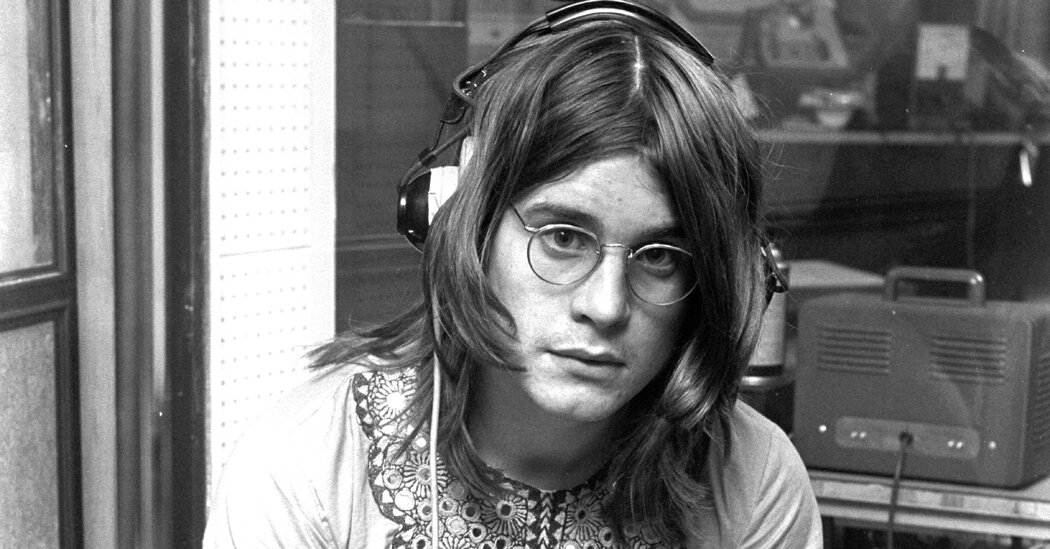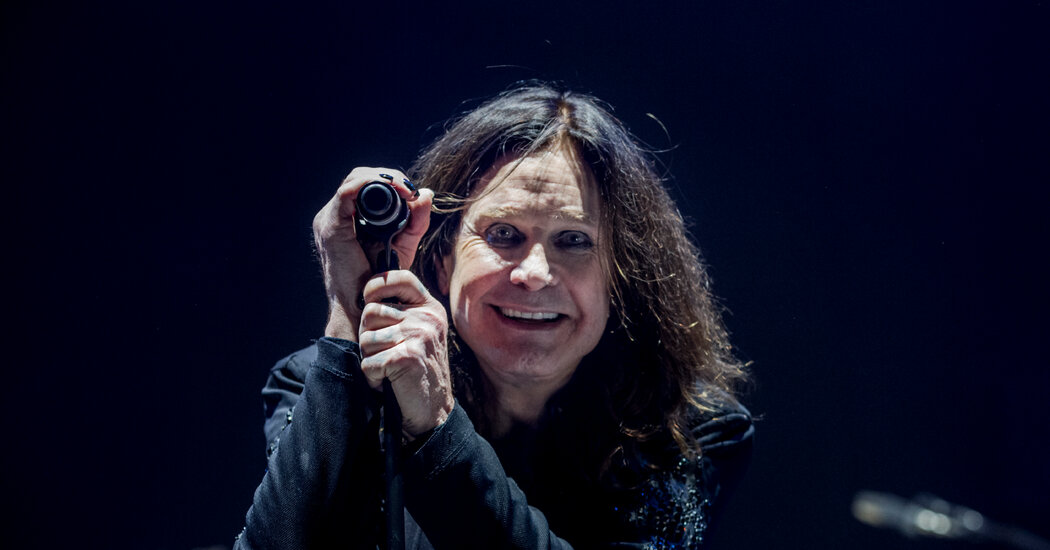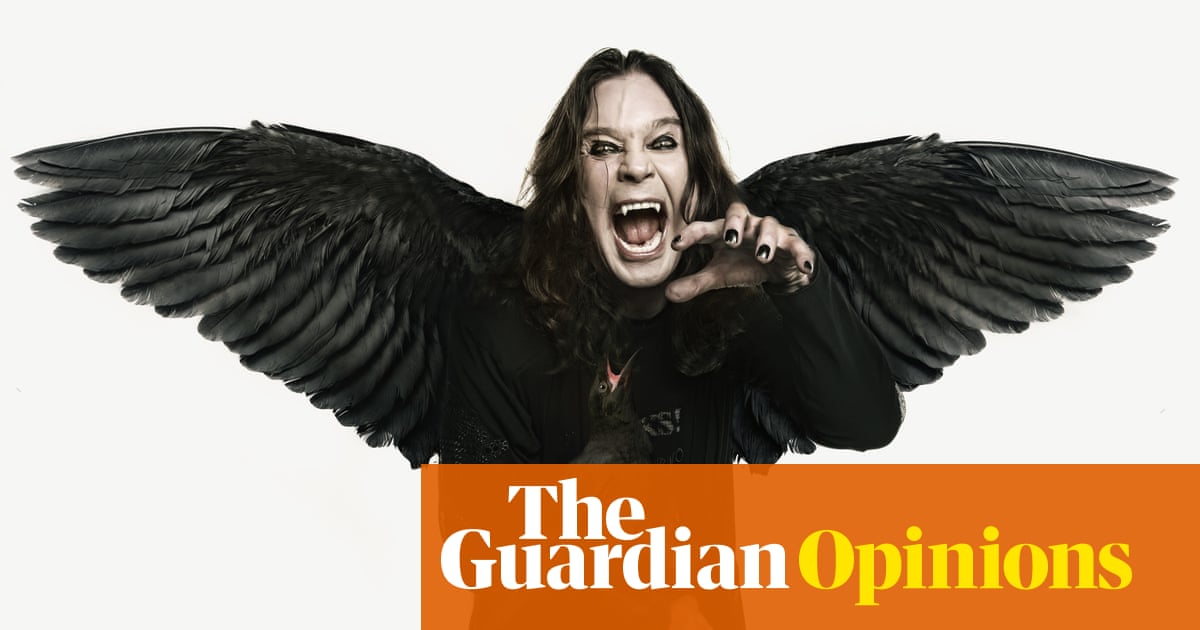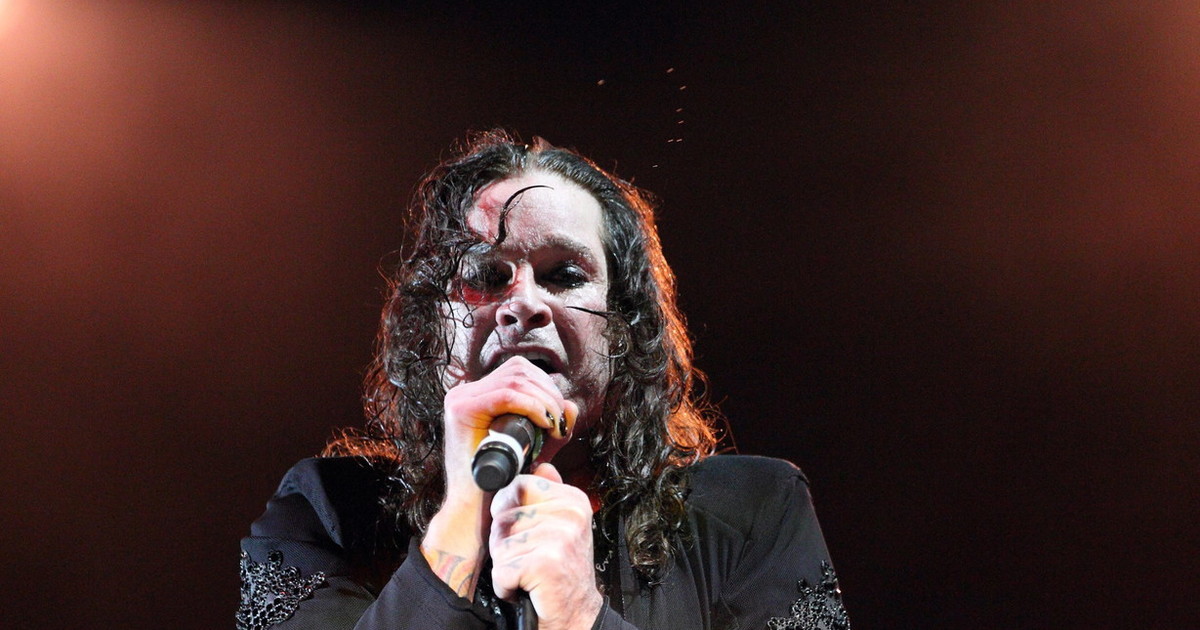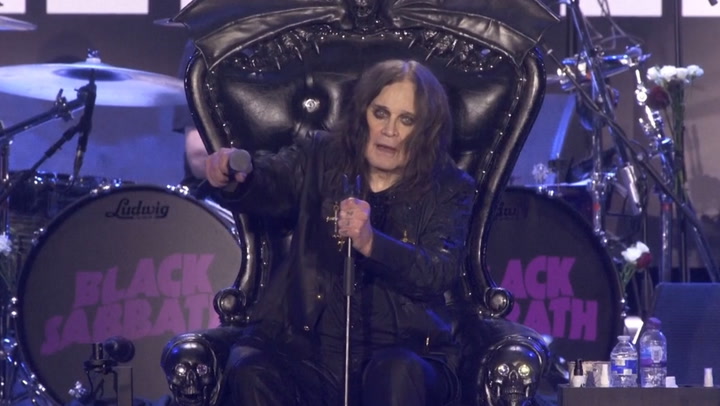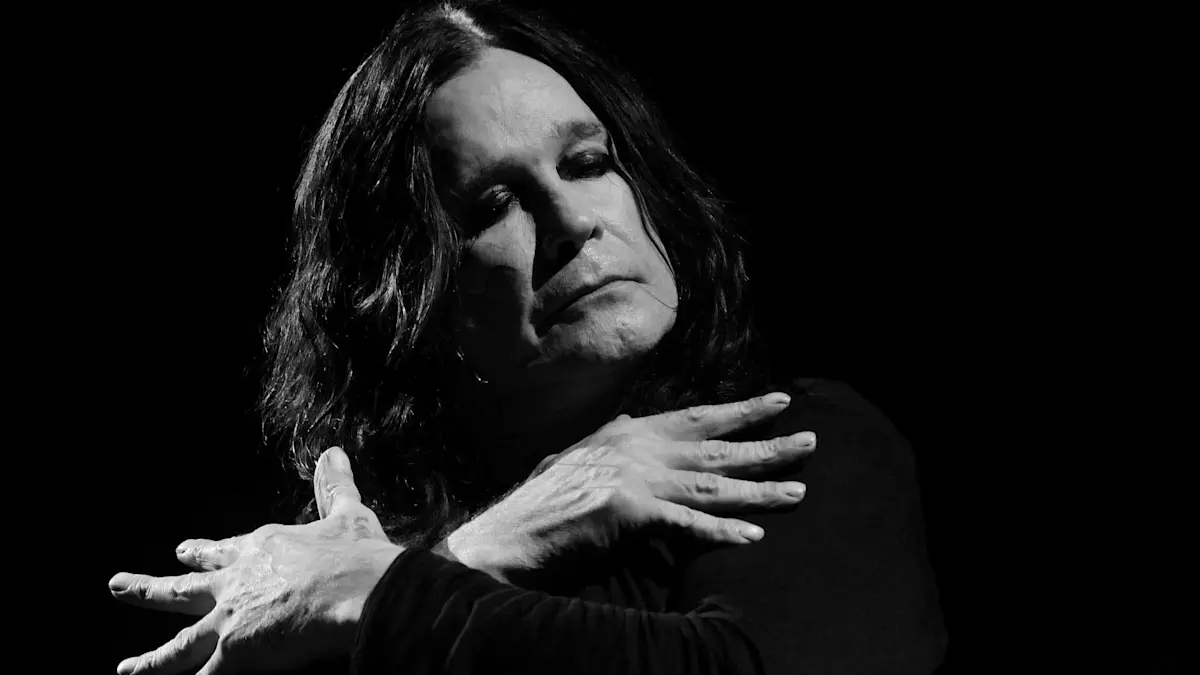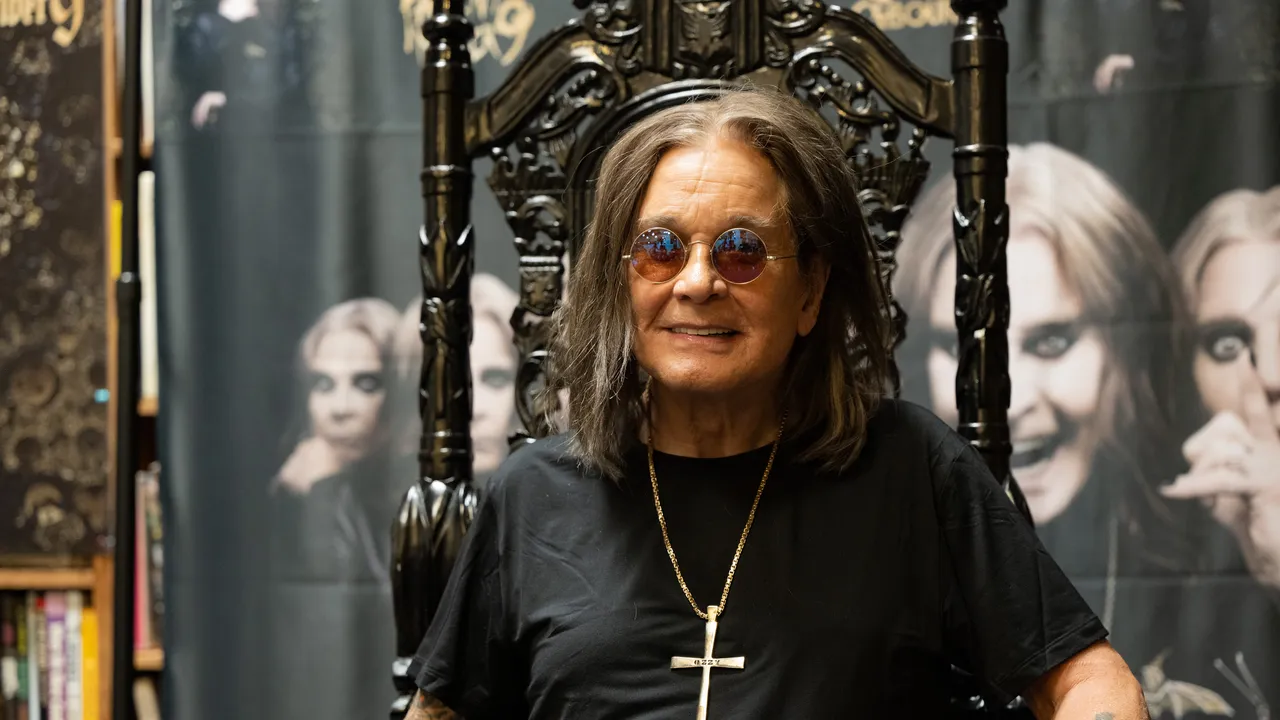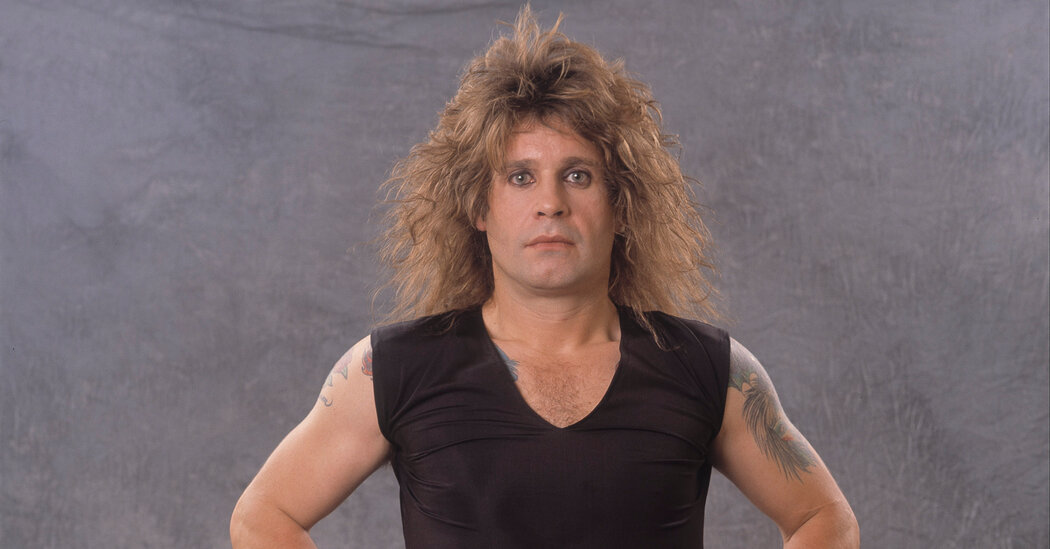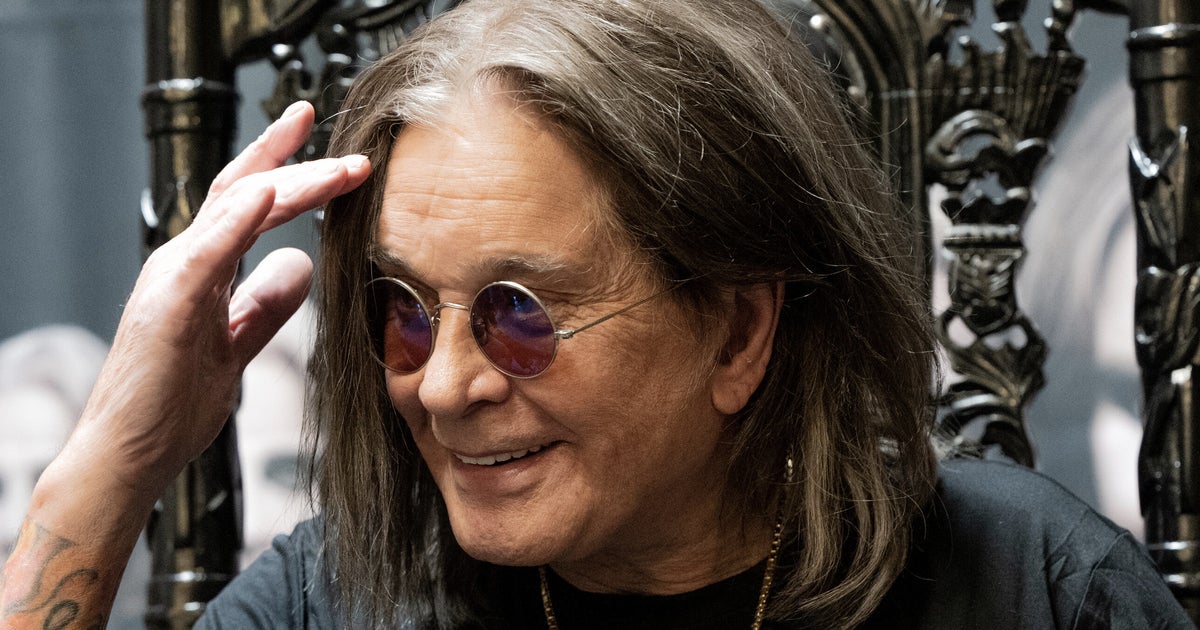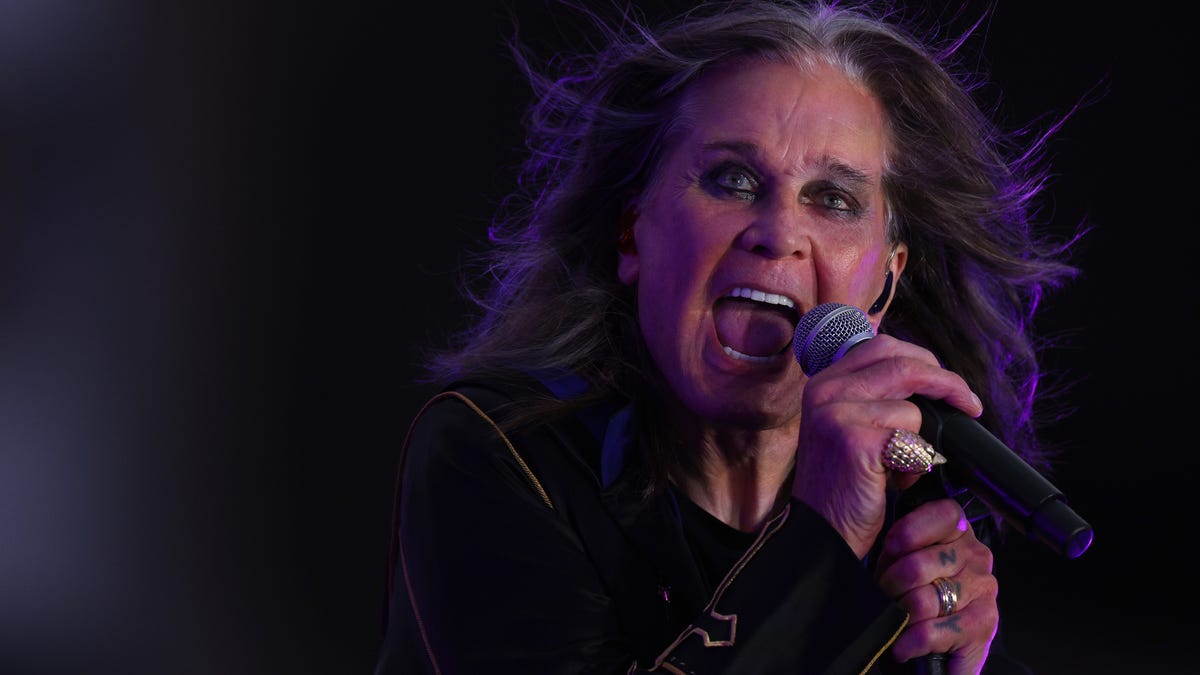
From the iconic "All Aboard!" to Black Sabbath’s heavy metal legacy, Ozzy Osbourne had one of the most recognizable voices in modern history.
The Grammy-winning "Prince of Darkness" and legendary rocker died July 22, just weeks after reuniting with Black Sabbath for a final show in England. He was 76.
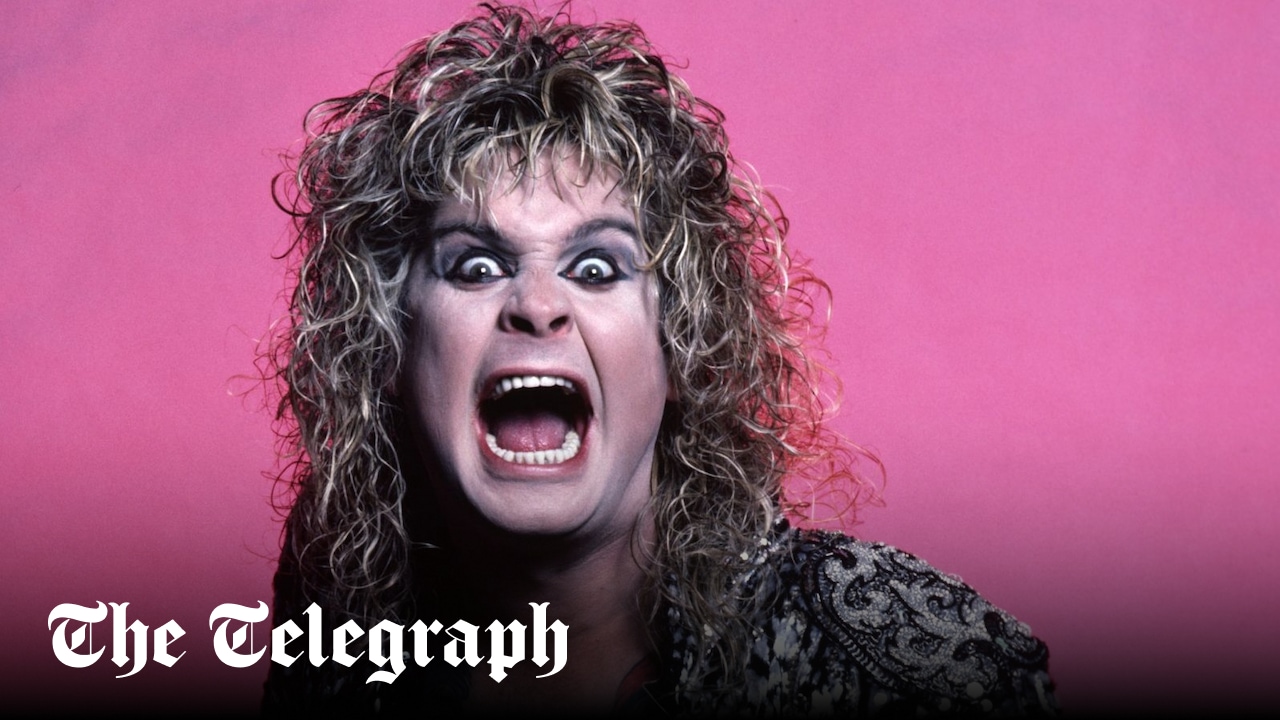
Osbourne was one of the most iconic figures in rock, molding the sound and perception of heavy metal with his one-of-a-kind voice and shocking antics. He followed his rock zenith with a reality TV career, making him as well known for biting the head off a bat on stage and eating a live dove in a meeting with record executives as he was for his bemusing bickering at home with his wife and kids.
Fans also watched his well-documented journey overcoming addiction, and Osbourne ultimately achieved sobriety and released his penultimate 2020 album: “Ordinary Man.” Osbourne's journey is a pertinant reminder that "recovery isn’t linear or fast. It’s a long-term process with setbacks along the way," says psychologist Stephanie Sarkis.
"In society, we tend to want overnight transformations, but Osbourne’s experience shows that persistence, resilience and transparency can lead to long-term gains," Sarkis added.