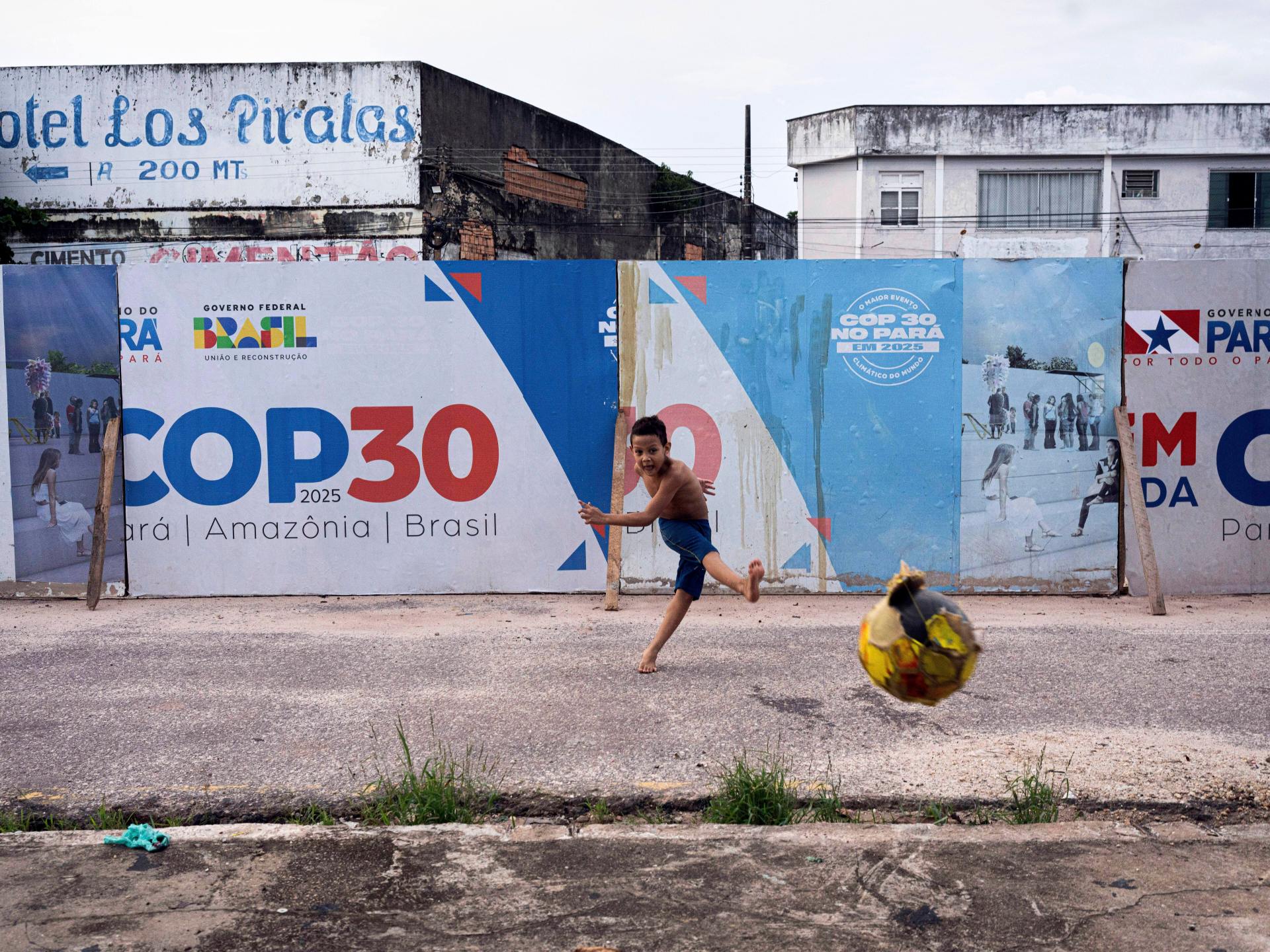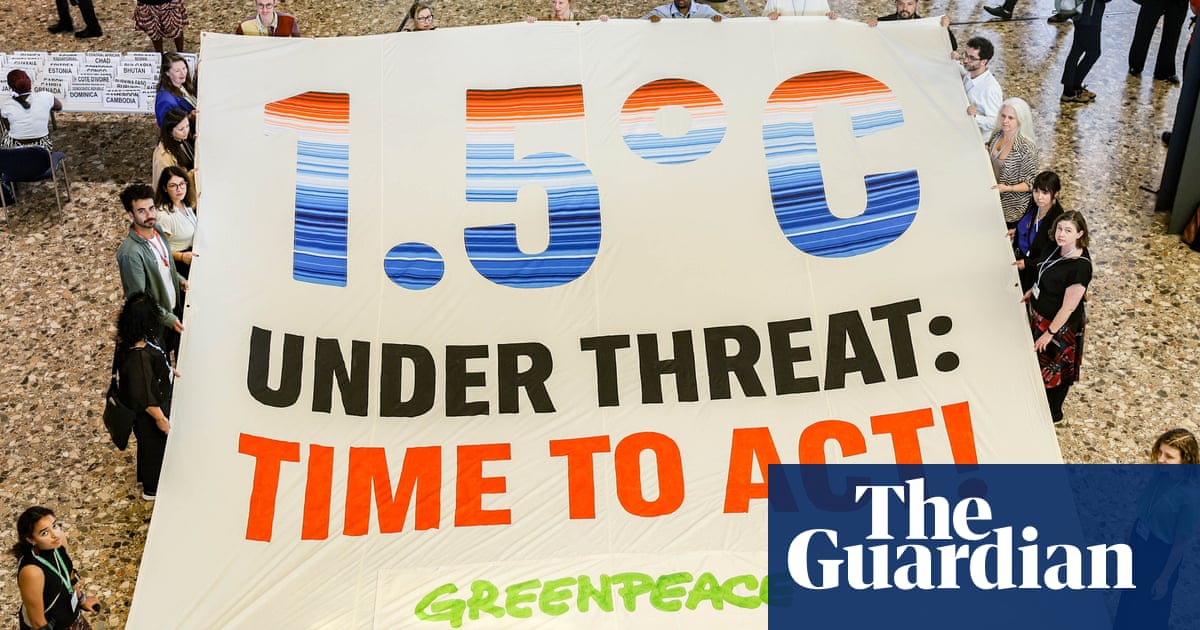
Key takeaways from two weeks of negotiations aimed at setting out stall for November’s Cop30 in Brazil
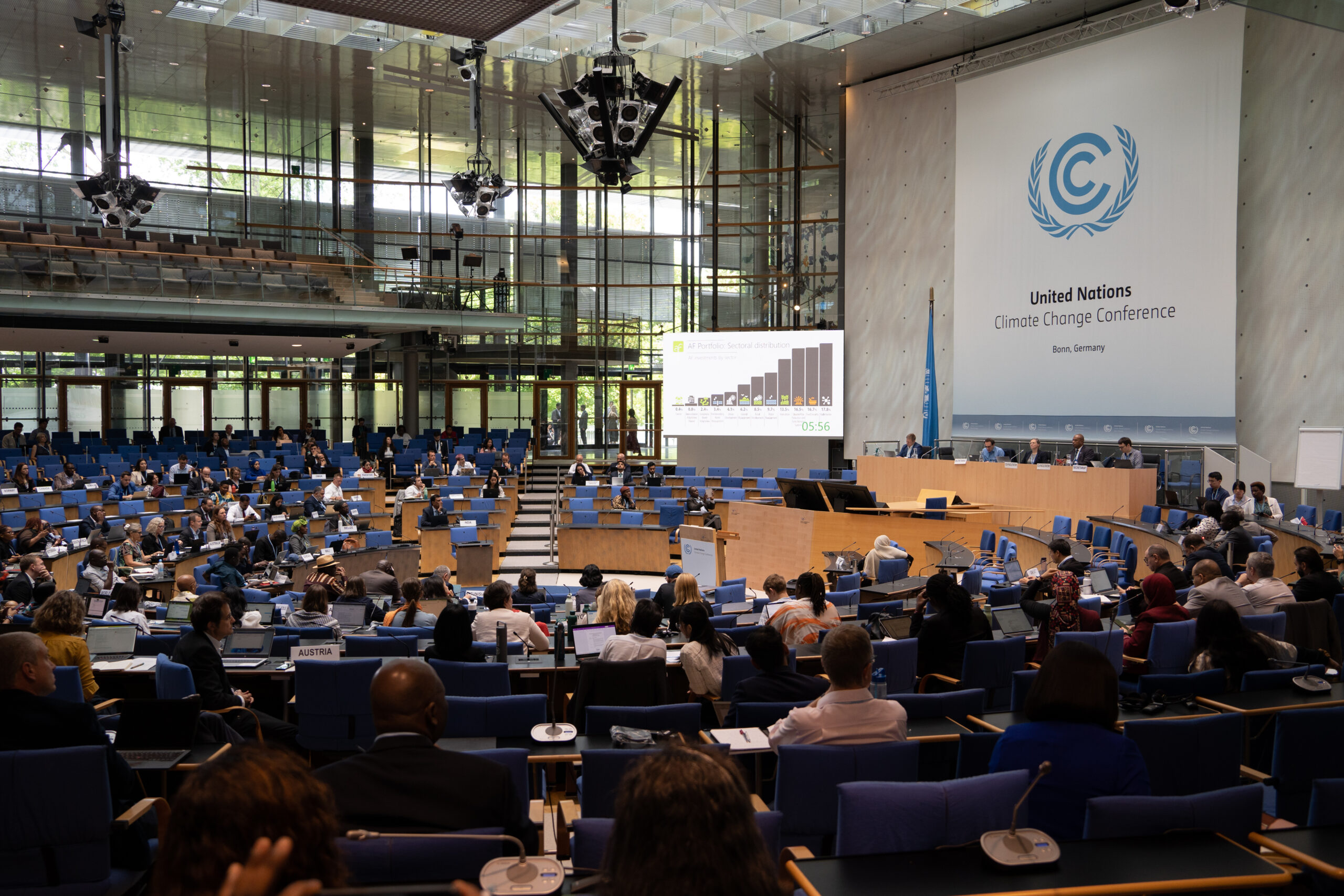
Two weeks of negotiations on the climate crisis have just concluded in Bonn in preparation for the Cop30 summit taking place in Brazil this November. What did we learn?
Limiting global heating to 1.5C above preindustrial levels is vital for a healthy planet, but hopes of doing so are rapidly vanishing as greenhouse gas emissions continue to rise, and temperatures soar. The main task for Cop30 in Belém this November is for every country to submit a national plan, required under the 2015 Paris agreement, to cut carbon as far as necessary to hold to the 1.5C limit.
Few countries have submitted their plans, called nationally determined contributions (NDCs), which set out a target on emissions to 2035 and an indication of the measures that will be taken to meet them. They were due in February, but the presidency of Donald Trump, his vacillations over tariffs and the prospect of a global trade war led many to adopt a “wait and see” approach. Military conflicts in Ukraine, Gaza and Iran have further frightened governments and taken attention away from the climate.
Brazil is urging all countries to come forward with their NDCs in September, in time for the UN to assess them before Cop30 begins. Even if they meet the deadline, however, it was abundantly clear from the preliminary negotiations in Bonn that the NDCs will not add up to the emissions cuts needed to stay within 1.5C, assuming that is still possible.