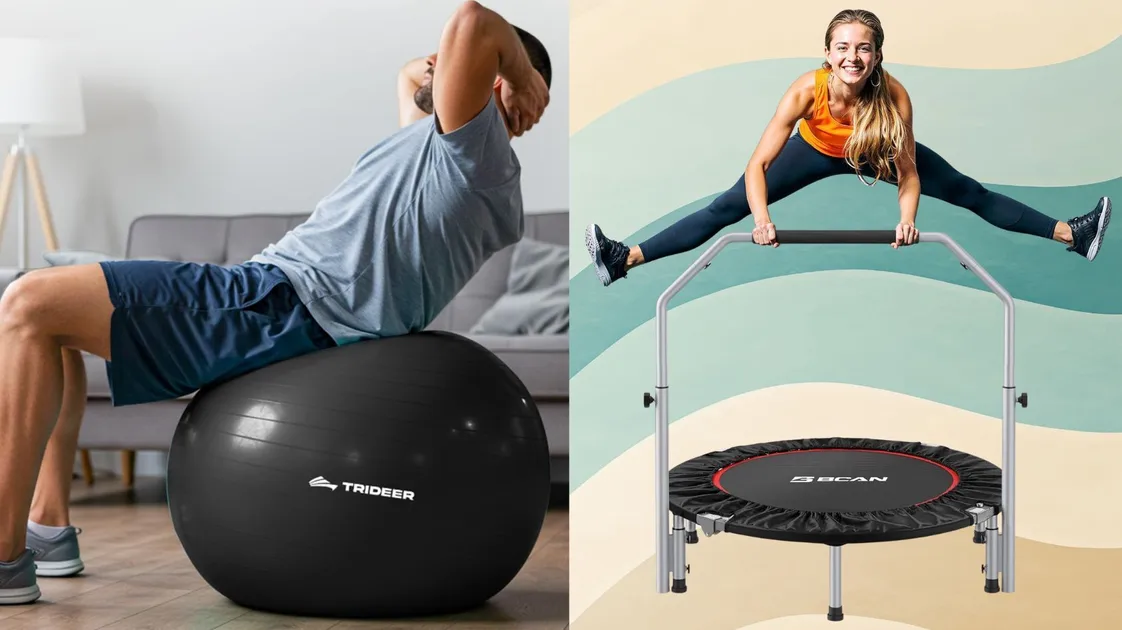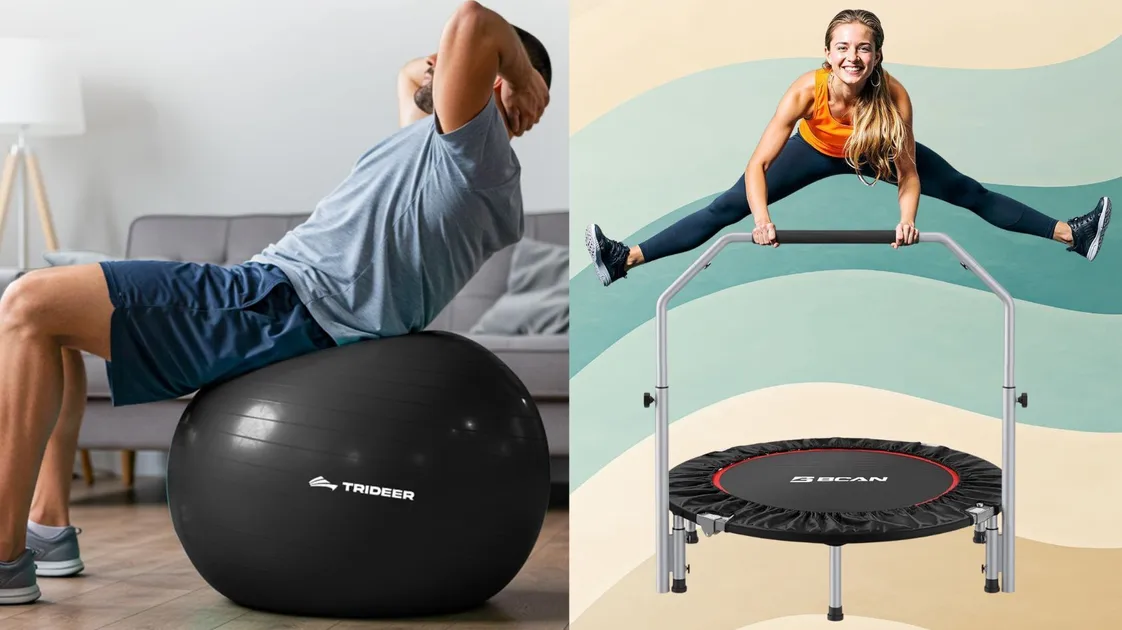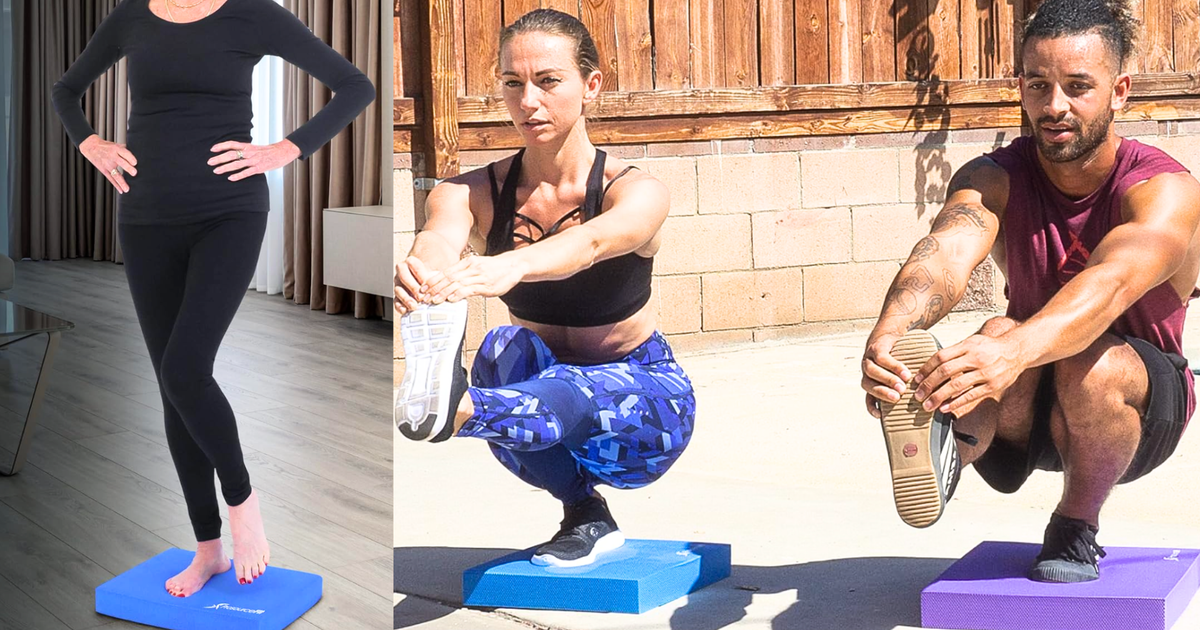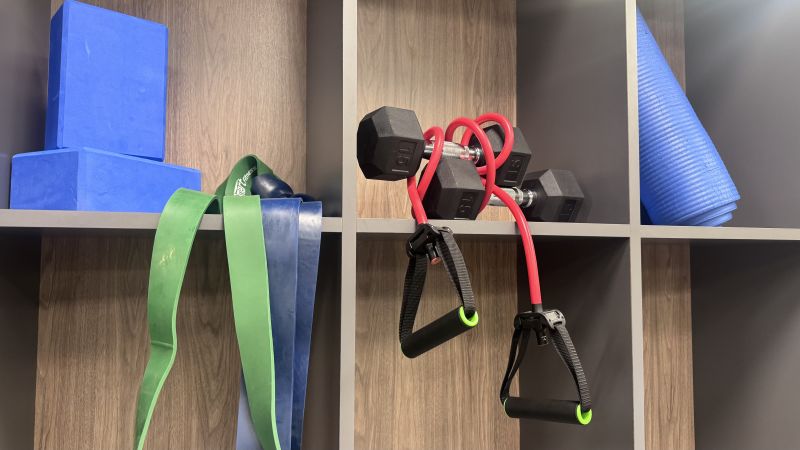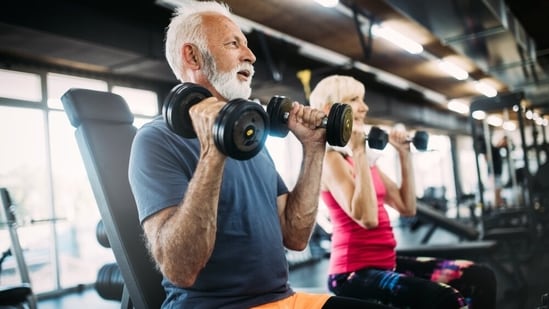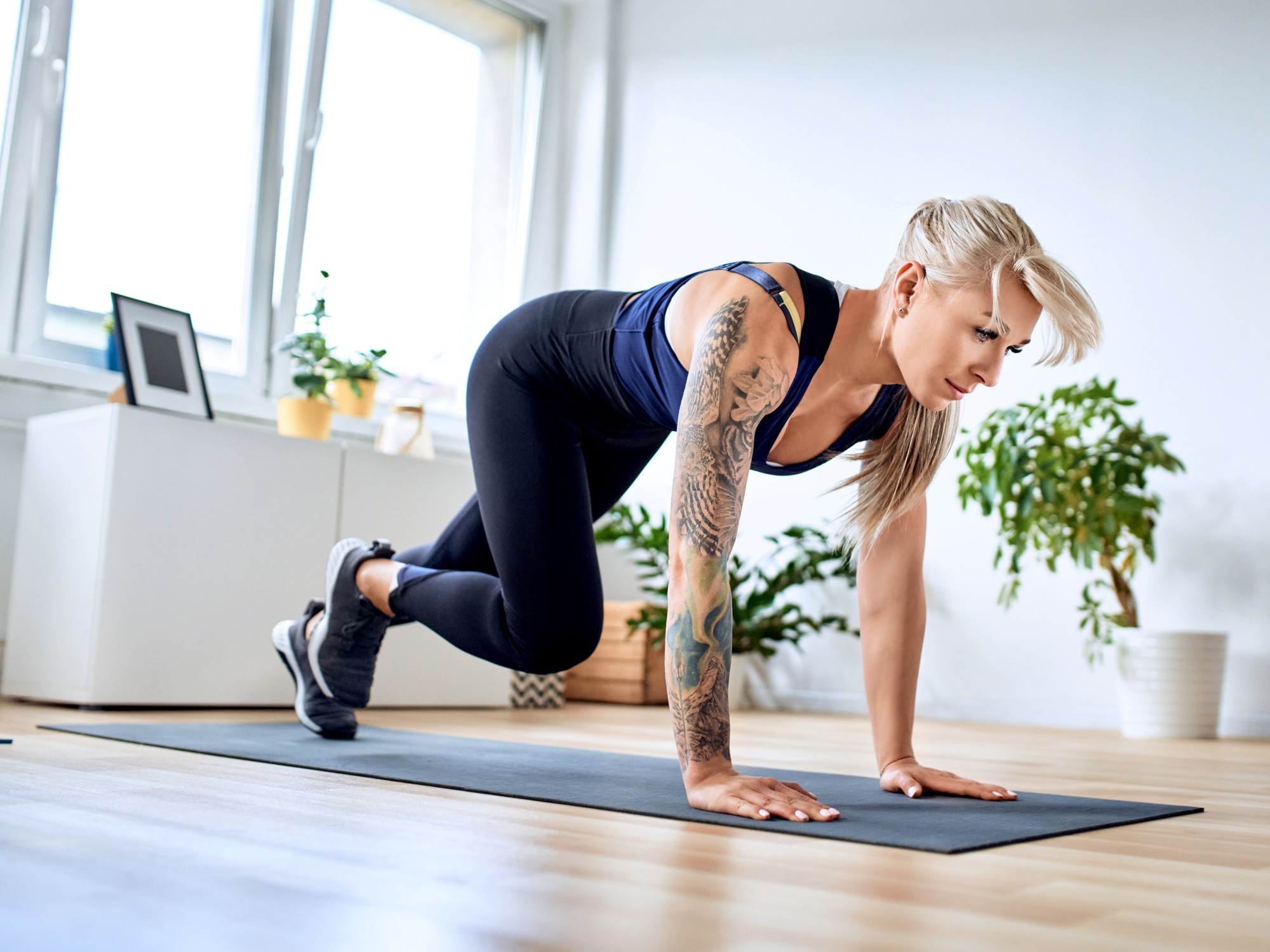
We’re told by physical therapist and spokesperson for the American Physical Therapy Association, Karen Brandon, that core strength is significant because it’s the framework that allows controlled movement for the activities we do every day. And for older adults in particular, maintaining those targeted muscles is even more important, especially when it comes to preserving independence and quality of life.
“For older adults, a strong core helps prevent falls, supports proper posture, and facilitates the safe performance of daily activities such as standing, walking, and climbing stairs,” said Rommel Vesagas, a physical therapist with Prestige Health and Wellness.
Brandon said that the term core may colloquially only apply to abdominal muscles, but it actually refers to all the deep muscle units of the “trunk” or torso like the pelvic floor, the deep spine muscles, and the lateral trunk muscles as well.
She explained that while generally these muscles are on all the time, as we get older, these muscles are less likely to be engaged due to limited mobility and less time spent standing, kneeling, or getting in and out of a variety of positions.
“Many people don’t realize they have to choose exercises that focus on these muscles ― their typical workout doesn’t target these muscle groups enough,” Brandon said.