In the 1950s, a Broadway play tackled the fear that “electronic brains” would automate humans out of jobs.
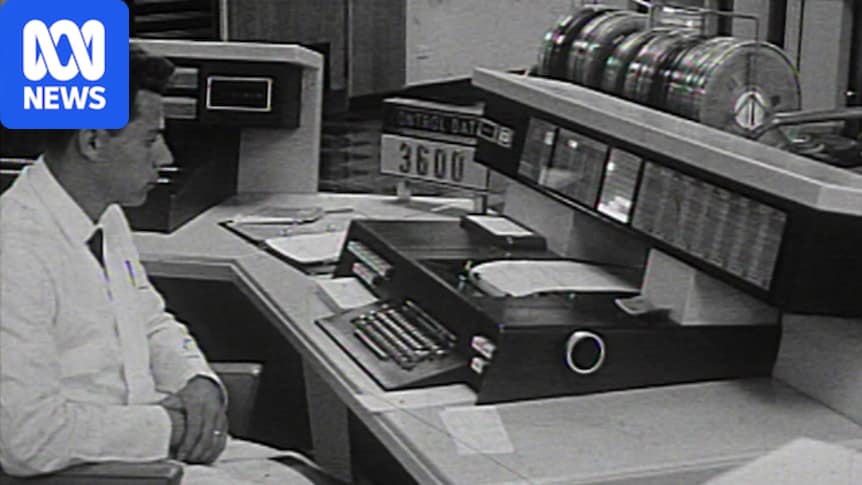
The computer first appeared on the Broadway stage in 1955 in a romantic comedy—William Marchant’s The Desk Set. The play centers on four women who conduct research on behalf of the fictional International Broadcasting Company. Early in the first act, a young engineer named Richard Sumner arrives in the offices of the research department without explaining who he is or why he is studying the behavior of the workers. Bunny Watson, the head of the department, discovers that the engineer plans to install an “electronic brain” called Emmarac, which Sumner affectionately refers to as “Emmy” and describes as “the machine that takes the pause quotient out of the work–man-hour relationship.”
What Sumner calls the “pause quotient” is jargon for the everyday activities and mundane interactions that make human beings less efficient than machines. Emmarac would eliminate inefficiencies, such as walking to a bookshelf or talking with a coworker about weekend plans. Bunny Watson comes to believe that the computing machine will eliminate not only inefficiencies in the workplace but also the need for human workers in her department. Sumner, the engineer, presents the computer as a technology of efficiency, but Watson, the department head, views it as a technology of displacement.