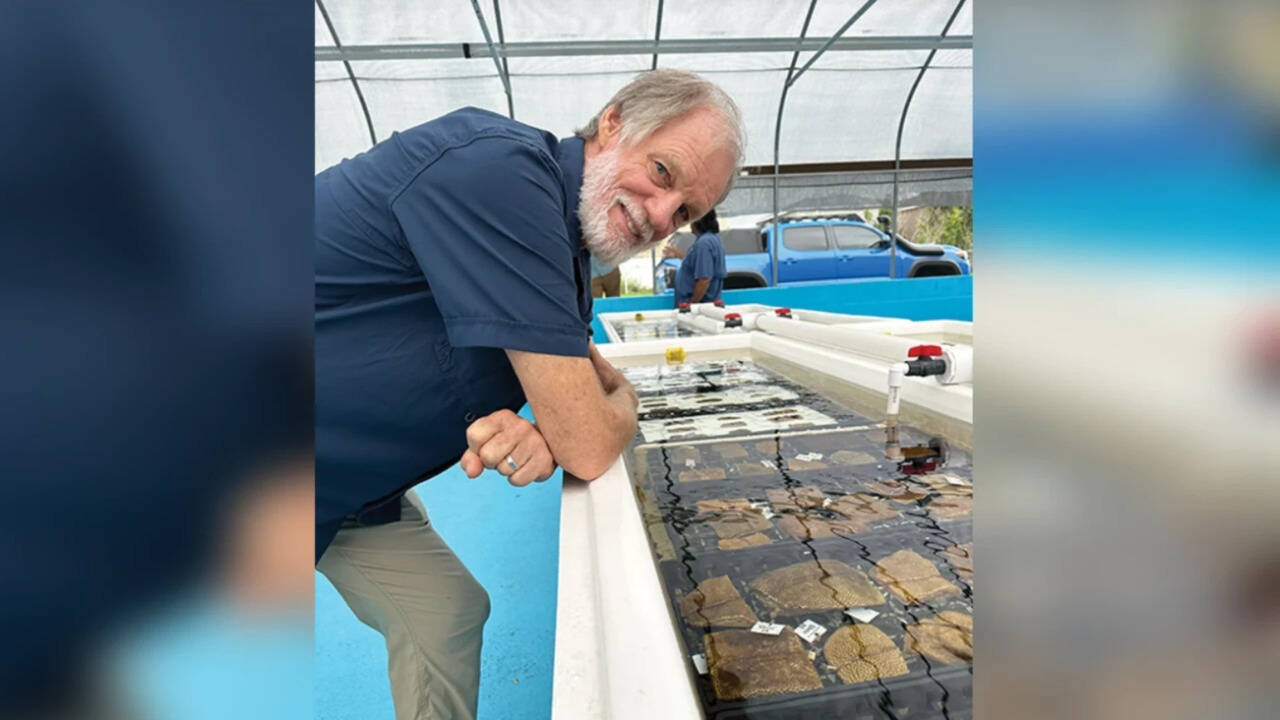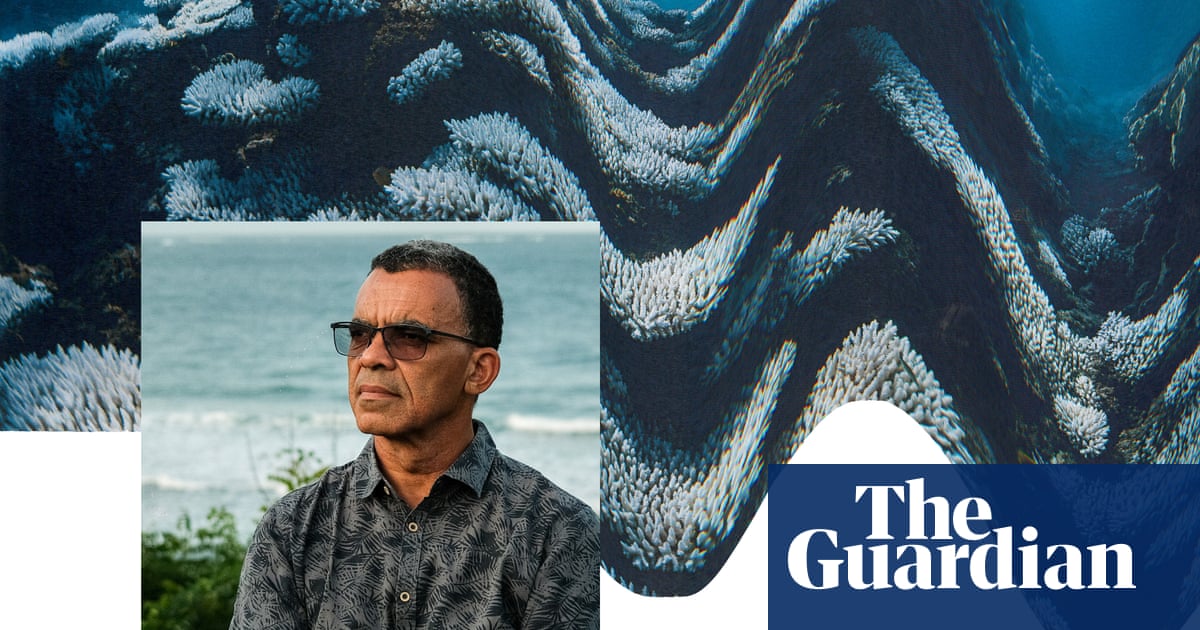
David Obura believes humans have been using nature for free, and tipping points at some reefs have already passed
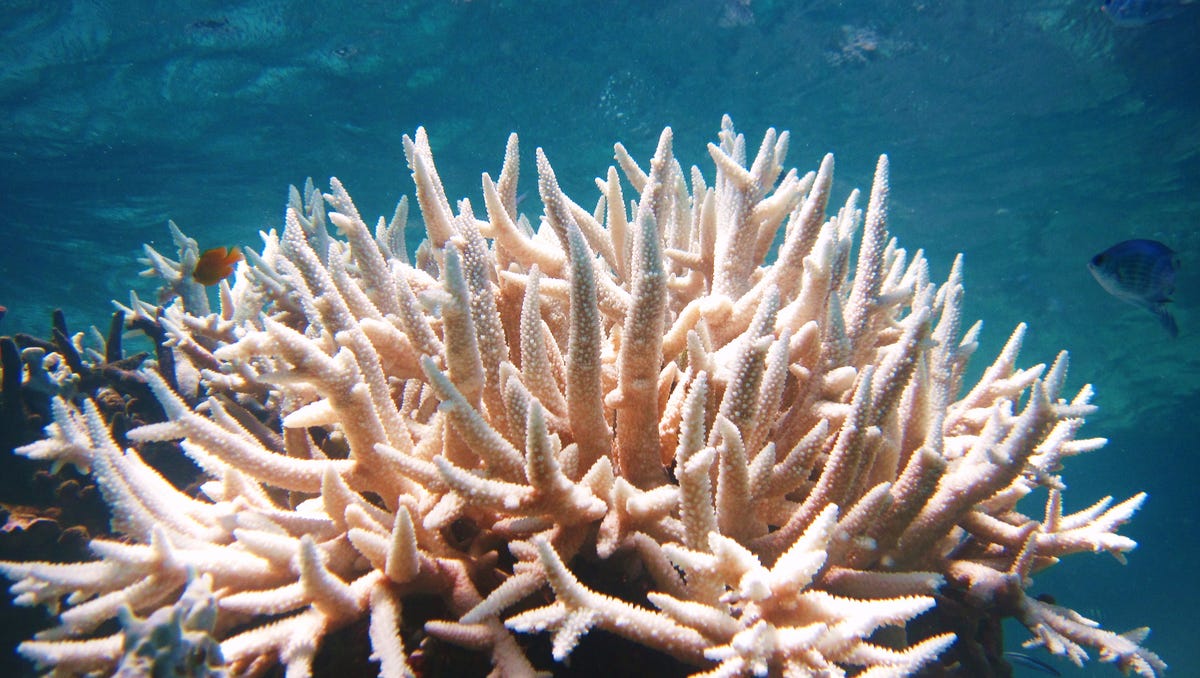
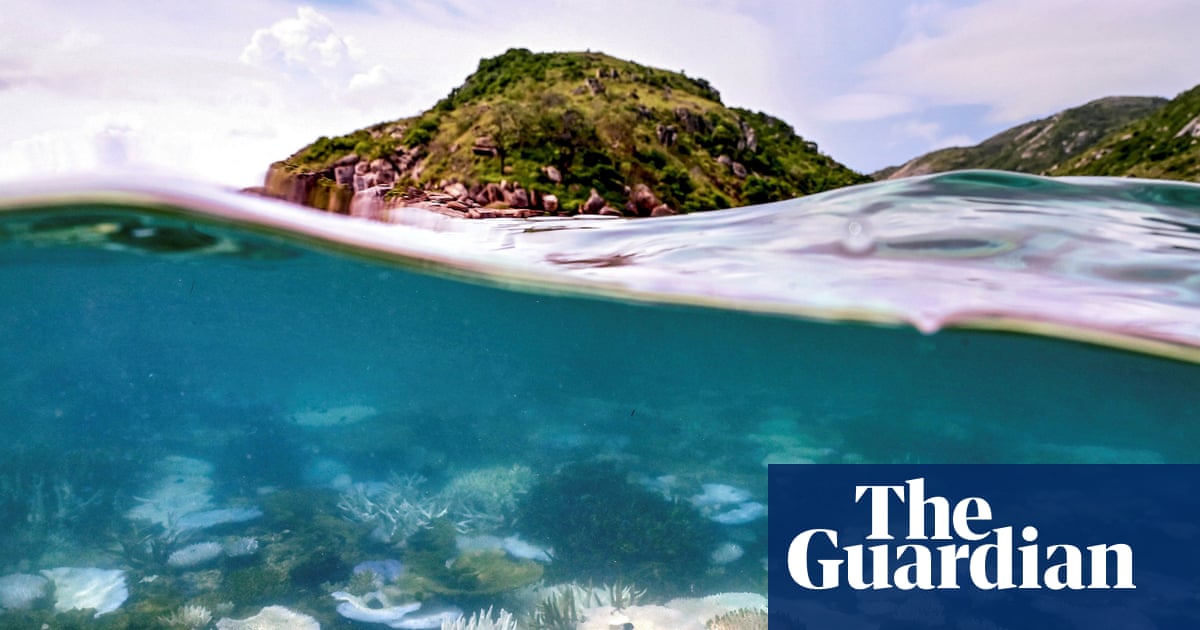
The Kenyan marine ecologist David Obura is chair of a panel of the Intergovernmental Science-Policy Platform on Biodiversity and Ecosystem Services (IPBES), the world’s leading natural scientists. For many decades, his speciality has been corals, but he has warned that the next generation may not see their glory because so many reefs are now “flickering out across the world”.
Why are corals important?
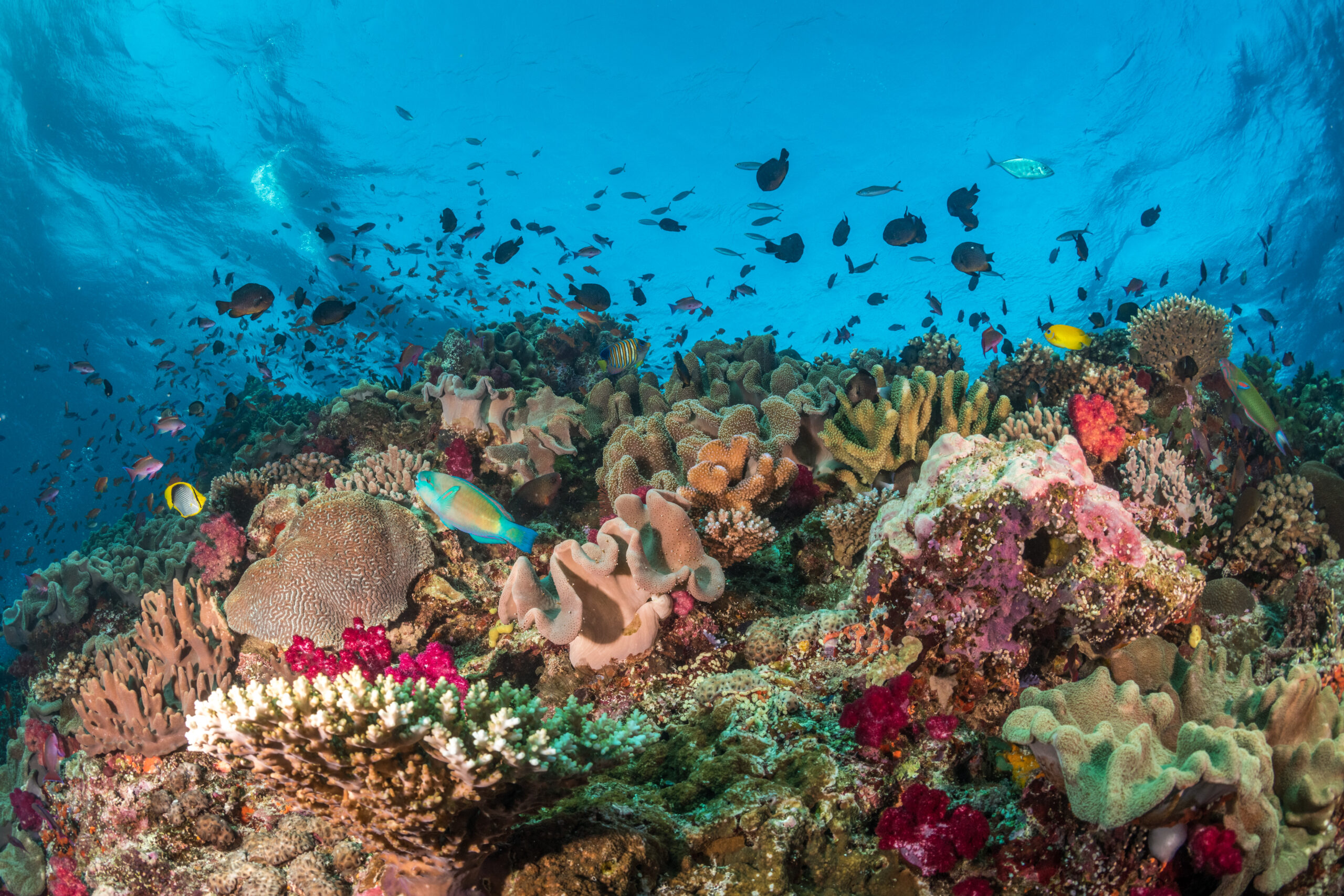
Multiple reasons. They are home to a huge amount of biodiversity, which provides food and environmental services. They also serve as coastal buffers, protecting coastlines from storms and swells. In many ways, coral are like underwater forests. The algae living inside corals are photosynthetic and grow very much like trees. Together, they are the ecosystem architects, and if you lose those, you lose the entire ecosystem.
What is happening to coral reefs?