As the natural wonder faces mounting ecological threats, traditional owners and environmental lawyers are calling for a radical new approach
W
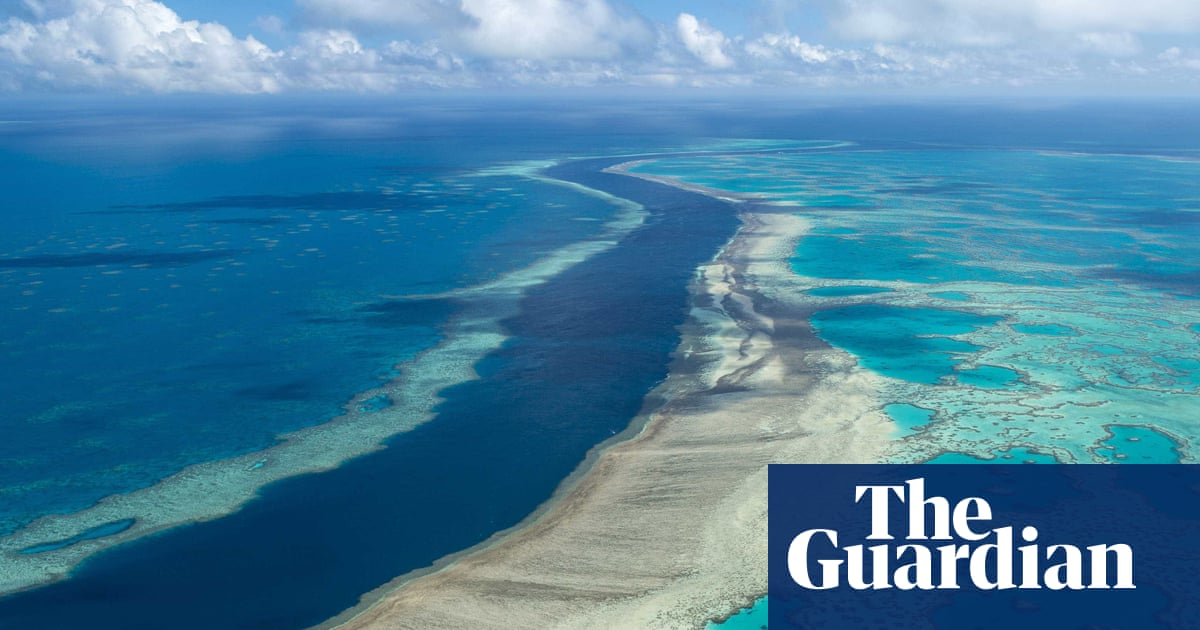
hile patrolling the Great Barrier Reef, Gary Singleton was struck by an eerie stillness. The Coral Sea lay flat as glass beneath a heavy, windless sky. The heat was stifling, the water a little too warm. “It was beautiful,” he says. “But I remember thinking, ‘I feel sorry for the reef.’”
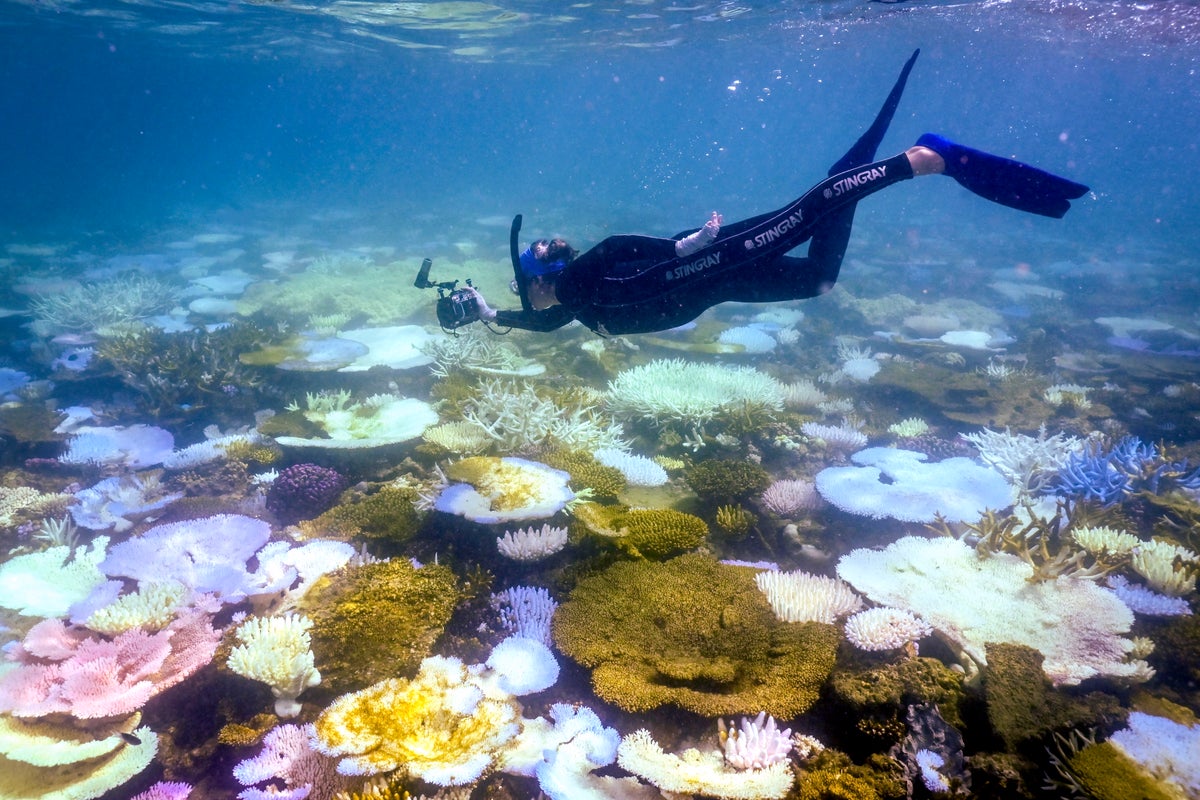
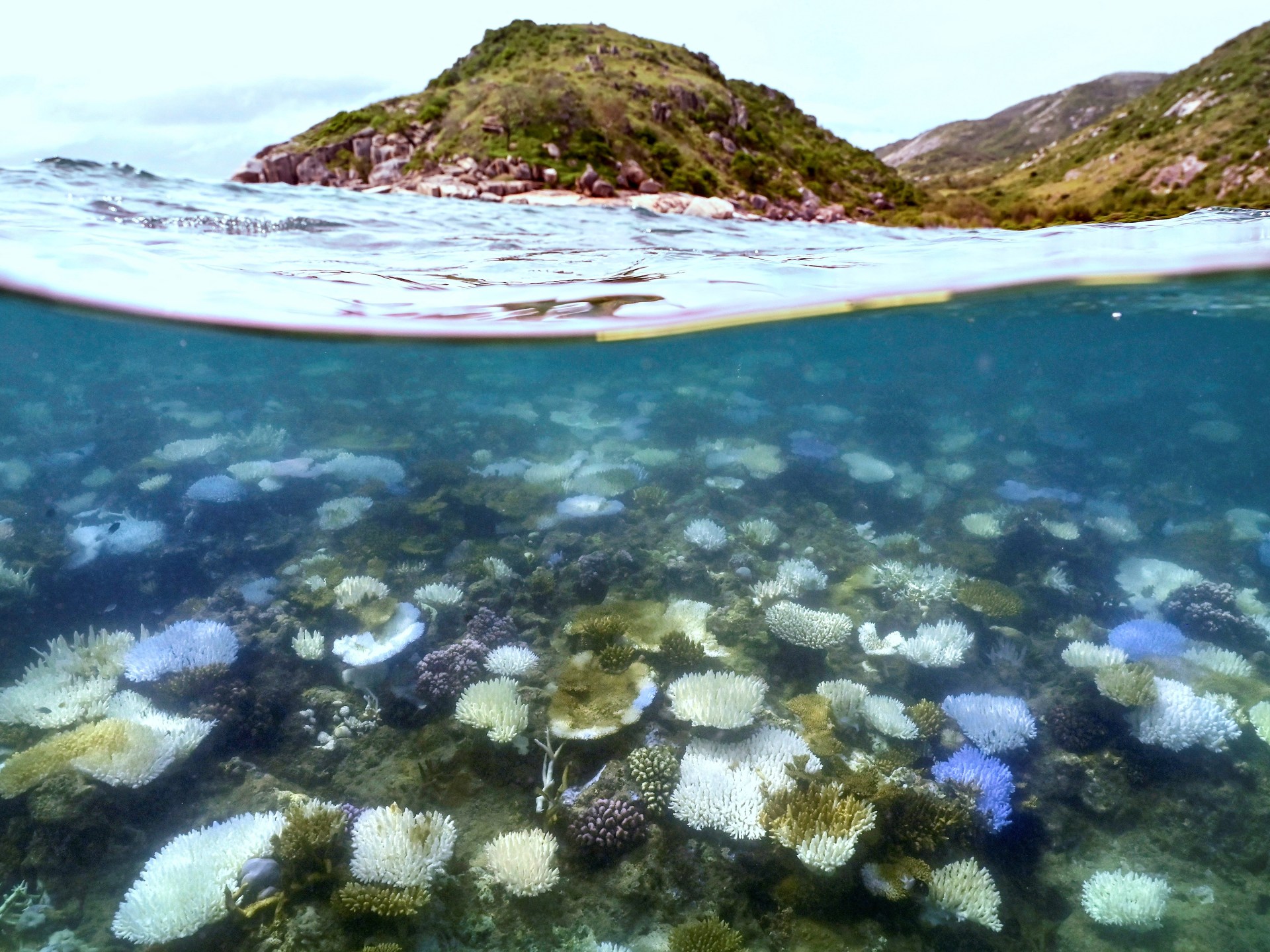
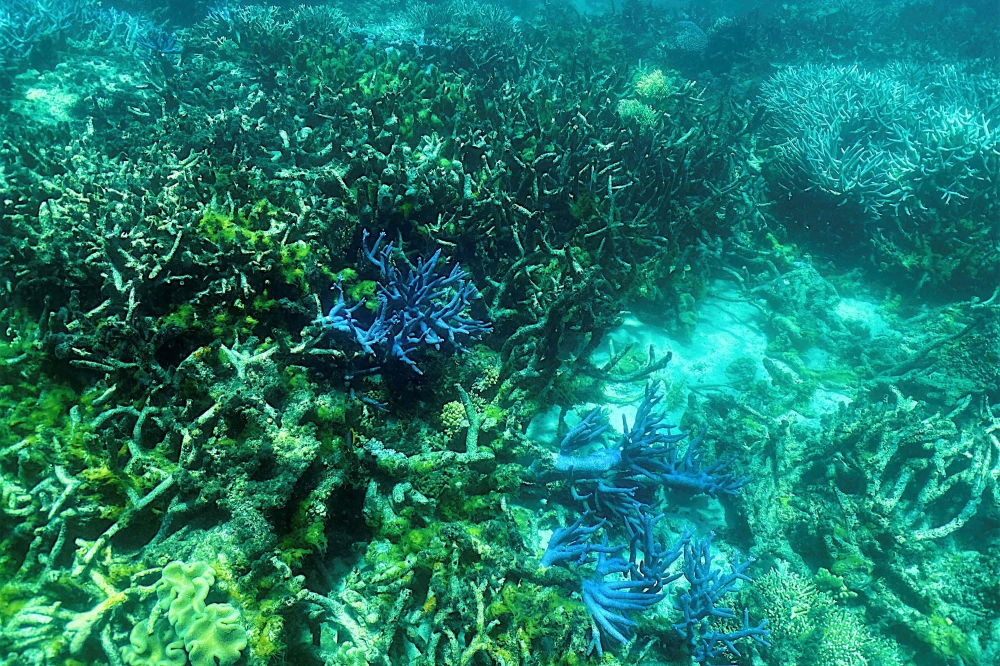
That moment stayed with him. A Yirrganydji traditional owner and land and sea manager in the Cairns-Port Douglas region, Singleton has spent more than 12 years working to protect the reef – as warming seas, sediment runoff, pollution and overfishing steadily erode its resilience. Just this week a report found a record drop in live coral in two out of three sections of the reef, prompting warnings that a tipping point for the ecosystem’s future is approaching.
“My biggest fear is that we’ll lose everything,” says Singleton, whose father, Gavin Singleton Sr, was also a sea ranger. “It’s a big part of our identity. We don’t just think of the Great Barrier Reef as coral, we think of it as an entire system. A living thing.”