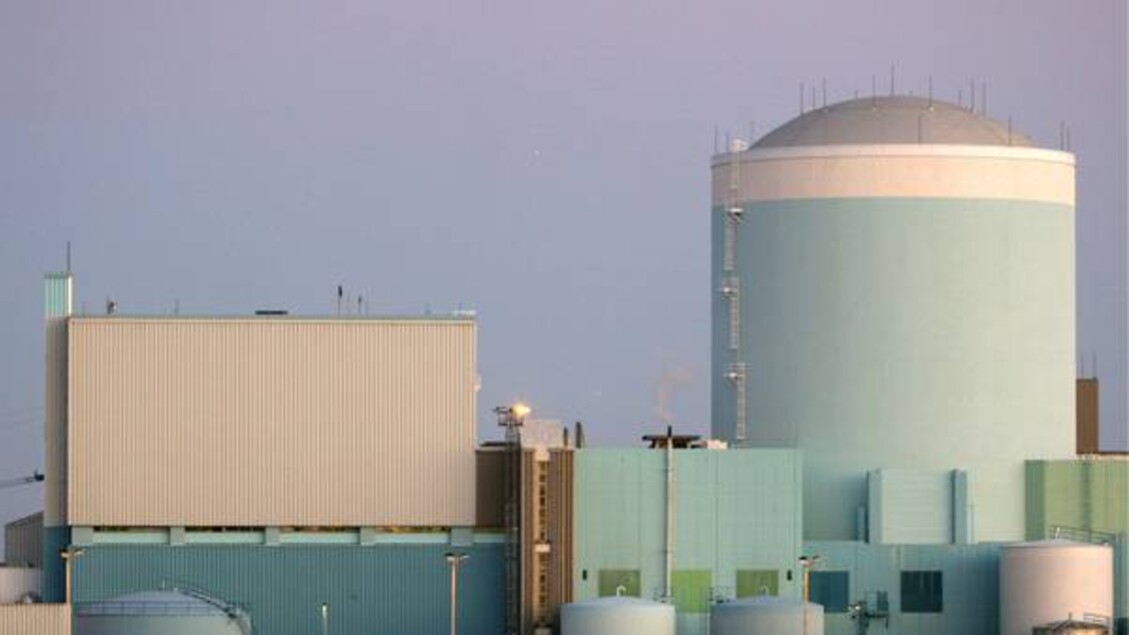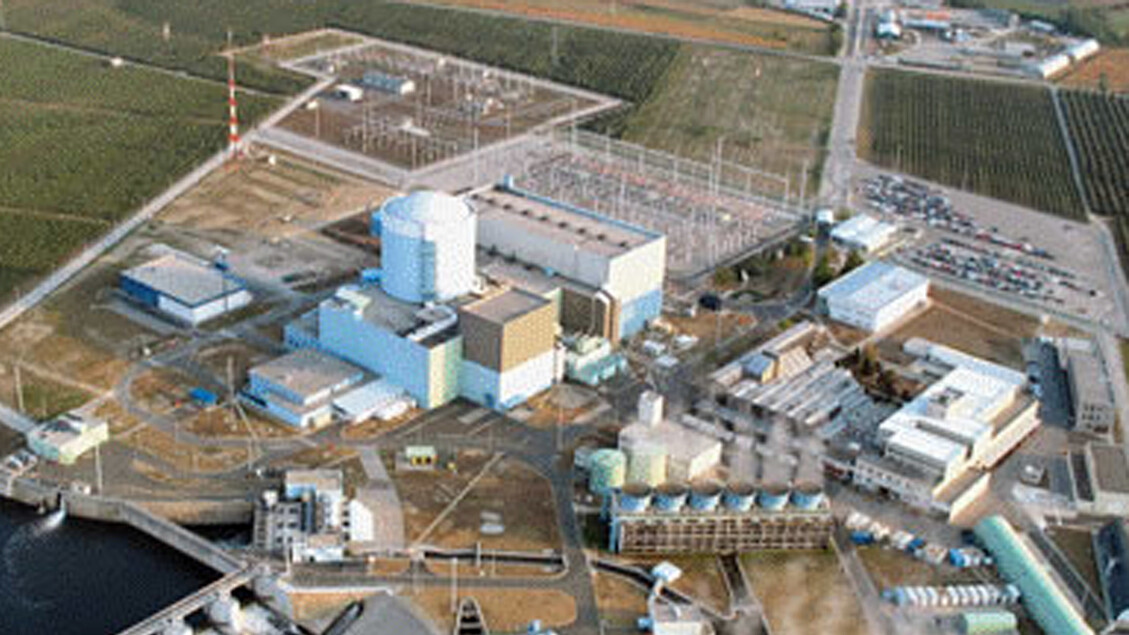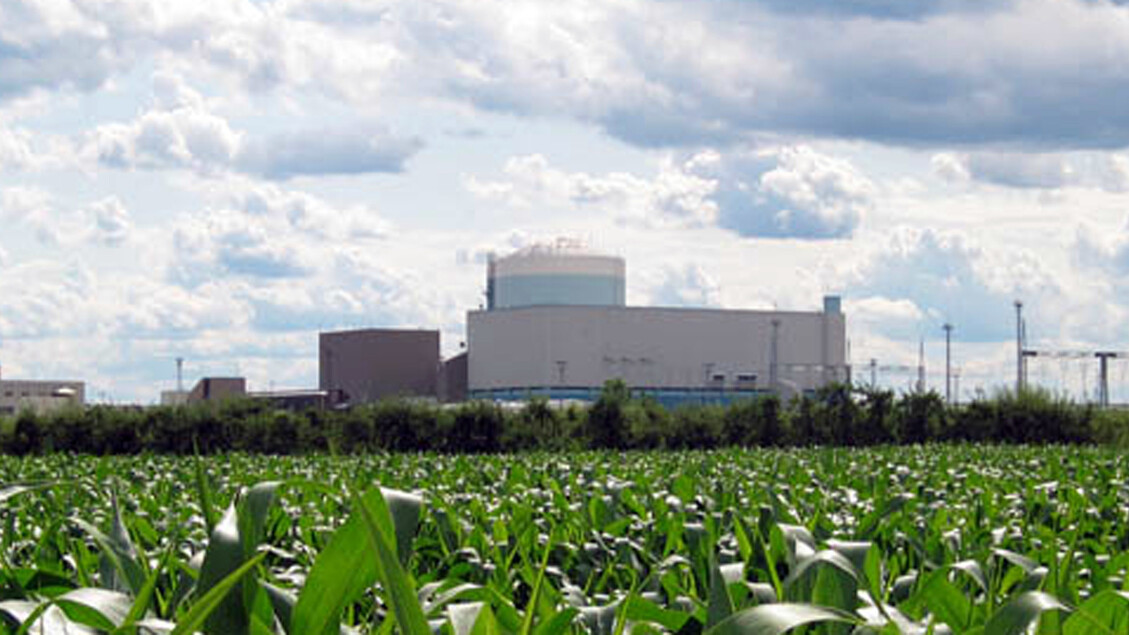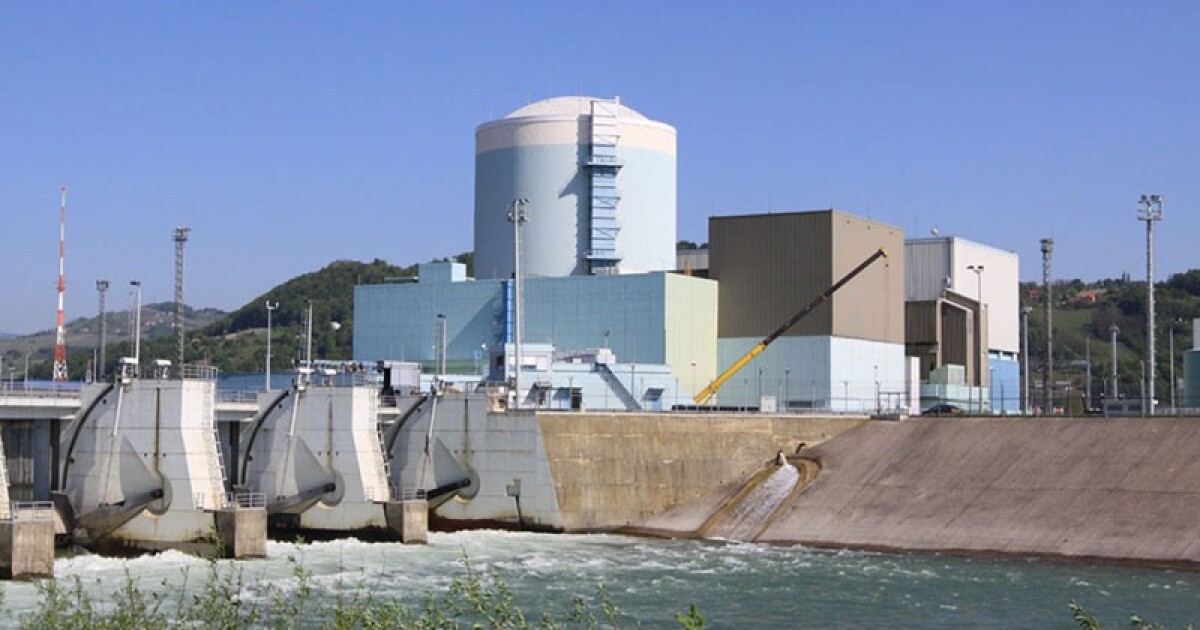
Slovenia is progressing plans to construct a second reactor at Slovenia’s existing Krsko nuclear site, with state-owned Gen Energija serving as operator and conducting discussions with potential suppliers Westinghouse and EDF after Korea Hydro & Nuclear Power (KHNP) bowed out of the competition in January. A final investment decision on the project, dubbed JEK2, is expected in 2028, with construction beginning in 2032 and electricity production in 2039. A planned November referendum on the project was abruptly canceled in October amid a flurry of accusations about circumventing democratic processes, but public and political support for the project remains high. Gen Energija CEO Dejan Paravan met with Energy Intelligence’s Grace Symes on the sidelines of the recent Nucleareurope conference in Brussels. Below is a transcript of their Jun. 4 conversation, edited for clarity and brevity.
Q: What are Gen Energija’s priorities when it comes to EU policy in terms of nuclear?
A: Our primary goal is to ensure a level playing field for nuclear energy alongside other CO2-neutral or low-carbon energy sources. This is starting to change, but in the past, nuclear was not treated equally. Secondly, we focus on EU policies and frameworks such as the taxonomy regulation. In terms of financing, nuclear should receive more support than it currently does. A third, more strategic priority is the harmonization of rules at the EU level, particularly regarding licensing procedures for small modular reactors [SMRs]. Finally, there is a broader question of whether Europe has the capability and political will to launch a unified European nuclear program similar to what we see in countries like China, where strong efforts support domestic industry and supply chains. In Europe, I see a lack of unity when it comes to technological development and coordinated support.