https://arab.news/gzdgy
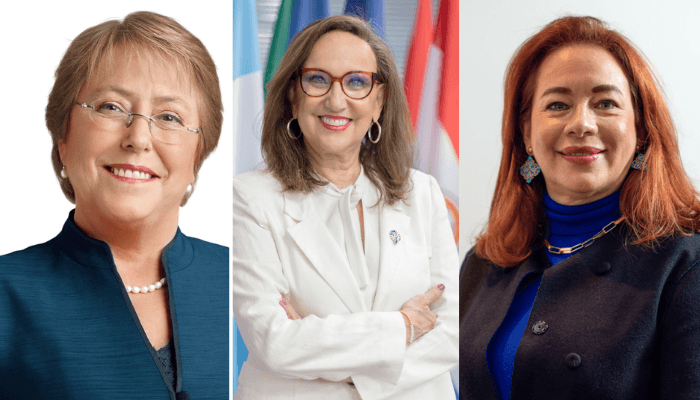
Ahead of Tuesday’s International Day of Women in Diplomacy, let us look at the status of women in politics and diplomacy. According to the 2024 Women in Diplomacy Index, only 21 percent of ambassadors and permanent representatives to the UN are women, a slight increase from 20.5 percent in 2023. Progress, yes, but at a very slow pace.
Similarly, the Global Gender Gap Report 2025 released this month showed that gender parity in political empowerment increased slightly from 22.5 percent in 2024 to 22.9 percent. Gender parity in political empowerment remains far behind the three other dimensions measured by the index, which found economic participation is at 61 percent, educational attainment at 95.1 percent and health at 96.2 percent among 148 countries. However, across the 19 editions of the index, political empowerment has seen the most improvement, from 14.3 percent in 2006, but at the current pace it will take 162 years to fully close the gap.
Globally, women remain significantly underrepresented in the political sphere, including legislative bodies, where they represent fewer than a third of parliamentary speakers. A 2025 report by the Inter-Parliamentary Union revealed that women held an average of 27.2 percent of parliamentary seats. Women are also underrepresented in Cabinet portfolios. In addition, there is the “implementation gap,” whereby gender equality laws are not backed by the infrastructure needed to enforce them. Adopting high legal standards alone is not enough, there has to be robust implementation mechanisms to translate policy into outcomes.