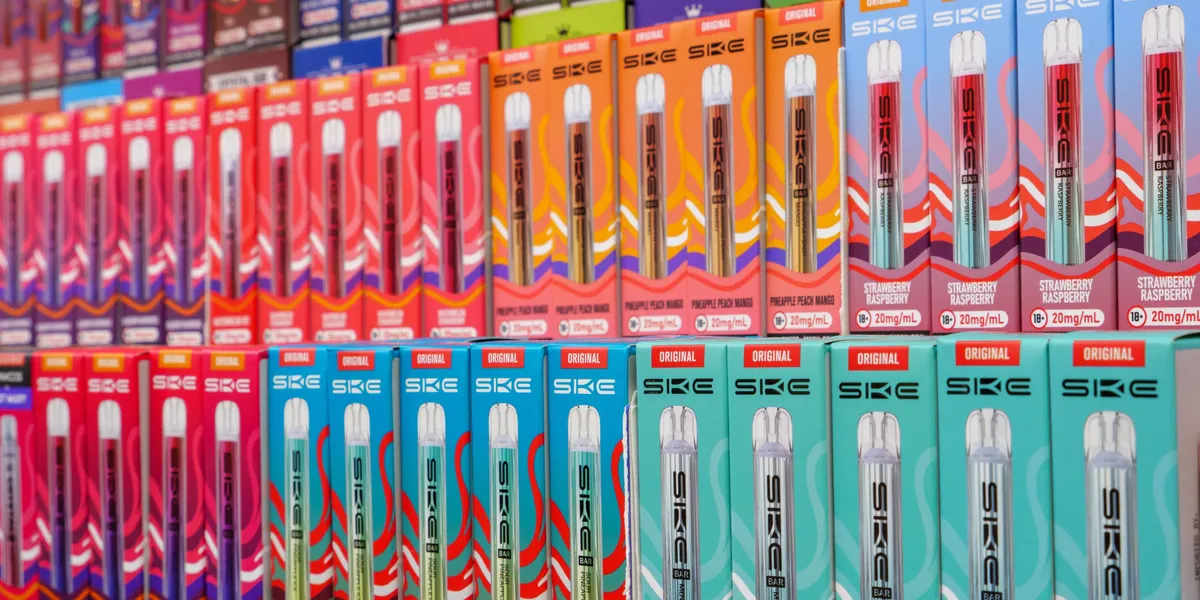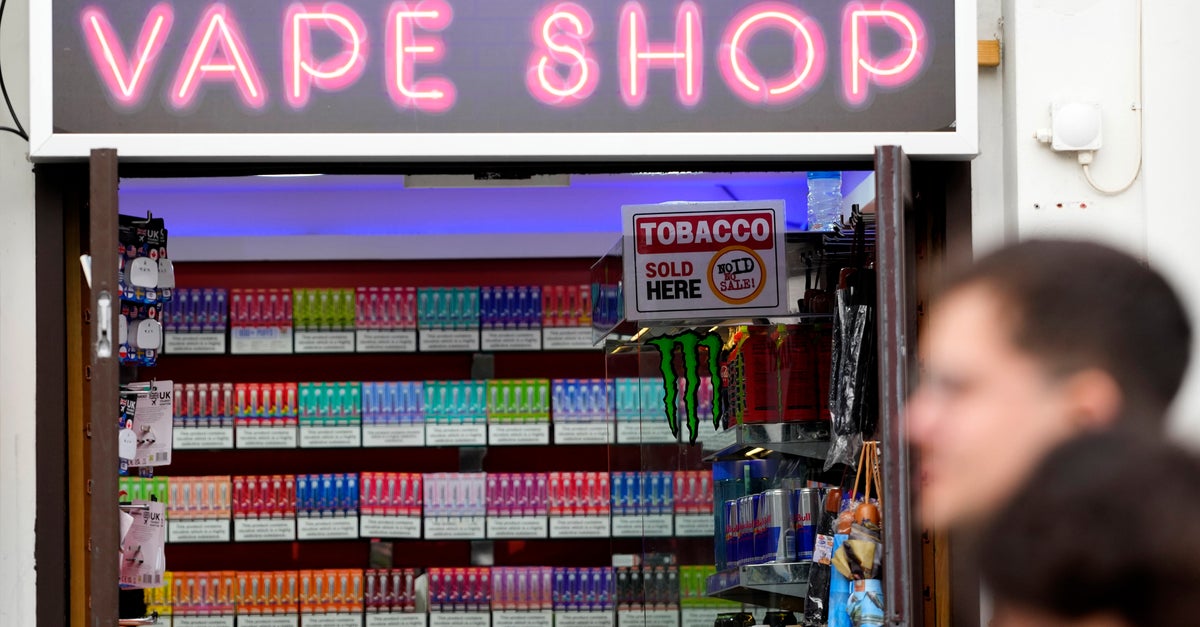
The Supreme Court made it easier for Big Tobacco companies to pick which judges hear their challenges to federal tobacco regulations on Friday in a 7-2 decision that will allow other companies affected by regulations to bring suit.
The case emerged from a lawsuit by R.J. Reynolds Vapor Company challenging Food & Drug Administration regulations for e-cigarettes. In 2009, Congress empowered the FDA to regulate tobacco products, and in 2016, the FDA extended that regulatory power to cover e-cigarettes and liquids.
The North Carolina-based RJR Vapor Company filed an application to sell menthol vapes that was denied by the FDA. The company challenged the denial in the Fourth Circuit, which covers North Carolina, under a provision of the 2009 law that allows “any person adversely affected” by FDA regulations to file suit in either the D.C. Circuit Court of Appeals or “the circuit in which such person resides,” but lost.
After losing in the Fourth Circuit, where the company is located, RJR Vapor Company again challenged the denial in the New Orleans-based Fifth Circuit, which covers Southern states including Texas and Mississippi. They did so by adding a Texas-based store that sells vape products and a Mississippi gas station trade association. The Fifth Circuit, the most conservative and corporate-friendly circuit in the federal court system, sided with RJR Vapor Company and reversed the FDA’s denial.