June 20 (UPI) -- Fossil fuel companies can challenge California setting stricter emissions standards for cars, the U.S Supreme Court ruled Friday.
California has stipulated that only zero-emission cars will be able to sold there by 2035, with a phased increase in ZEV requirements for model years 2026-2035. The U.S. Environmental Protection Agency has set a fleet-wide average of 49 mpg by model year 2026, with higher standards in the following years.
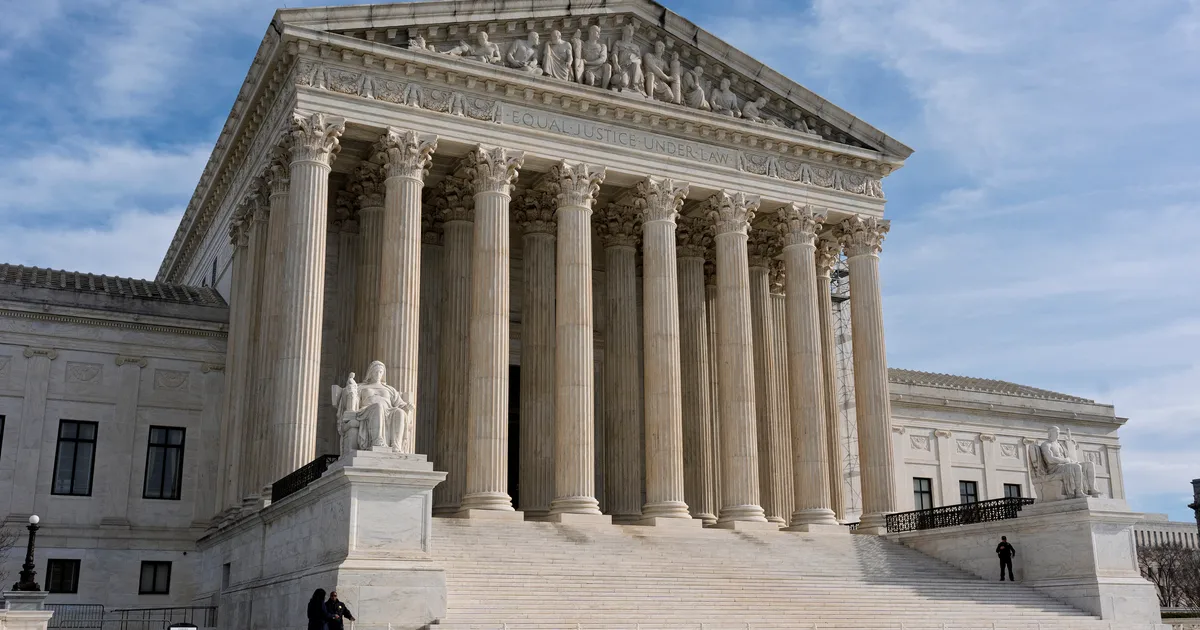
In the 7-2 opinion authored by Justice Brett Kavanaugh, the court ruled that oil producers have legal standing to sue over California's clean car standards approved by the U.S. EPA. Dissenting were Justices Sonia Sotomayor and Ketanji Brown Jackson, two of the court's three Democratic-appointed justices.
"This case concerns only standing, not the merits," Kavanaugh wrote in the 48-page opinion that included two dissents. "EPA and California may or may not prevail on the merits in defending EPA's approval of the California regulations. But the justiciability of the fuel producers' challenge to EPA's approval of the California regulations is evident."
The Clean Air Act supersedes state laws that regulate motor vehicle emissions, but it allows the EPA to issue a waiver for California. Other states can copy California's stricter standard.