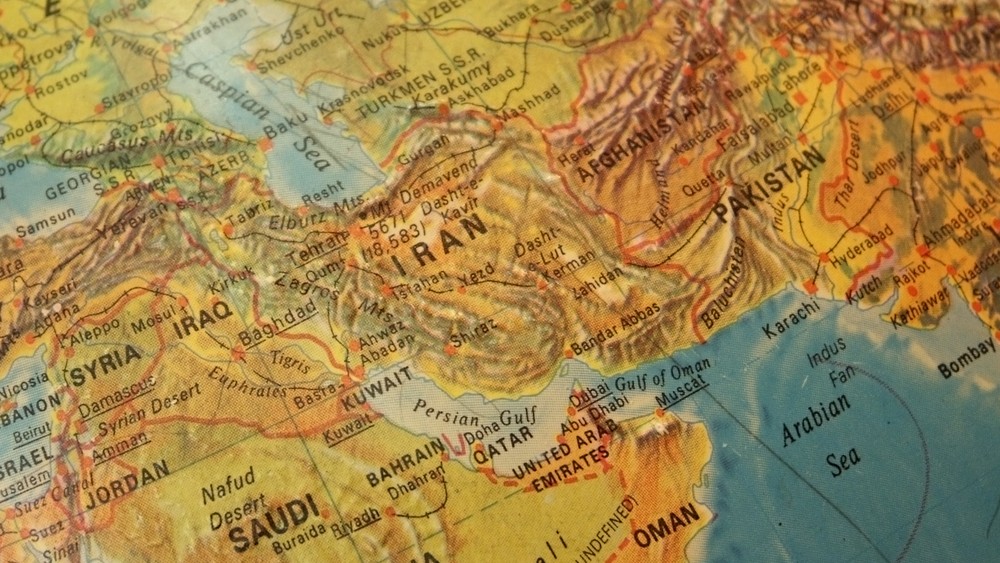
Call it a perfect storm. When Israel attacked Iran, oil industry firms were caught with low inventories due to their efforts to protect themselves from falling oil prices. These efforts were matched by others taking very large call positions as bets on higher prices or insurance against them. The resulting increase in price volatility dictated that those writing call options on oil prices purchase more futures in a market with few sellers. The standard “risk premium” explanation for the current price increase falls short. Refiners are instead rushing to build up inventories now because they were caught with low stocks as Israel bombed Iranian nuclear facilities, military targets, and oil and gas fields. That, combined with rising volatility, created the perfect storm. A substantial price rise was inevitable. Further increases could follow.
Israel’s Jun. 12 attack on Iran began yet another oil market disruption. Oil firms were caught with their stocks down. At the same time, traders had accumulated substantive positions in options. For a precedent as to how the market reacts to such circumstances, one can look to the summer of 1990, when Iraq invaded Kuwait, or the early months of 2022 after Russia attacked Ukraine.