Market volatility caused by Middle East conflict exposes energy traders to heavy losses and rumours of insider trading at the highest level
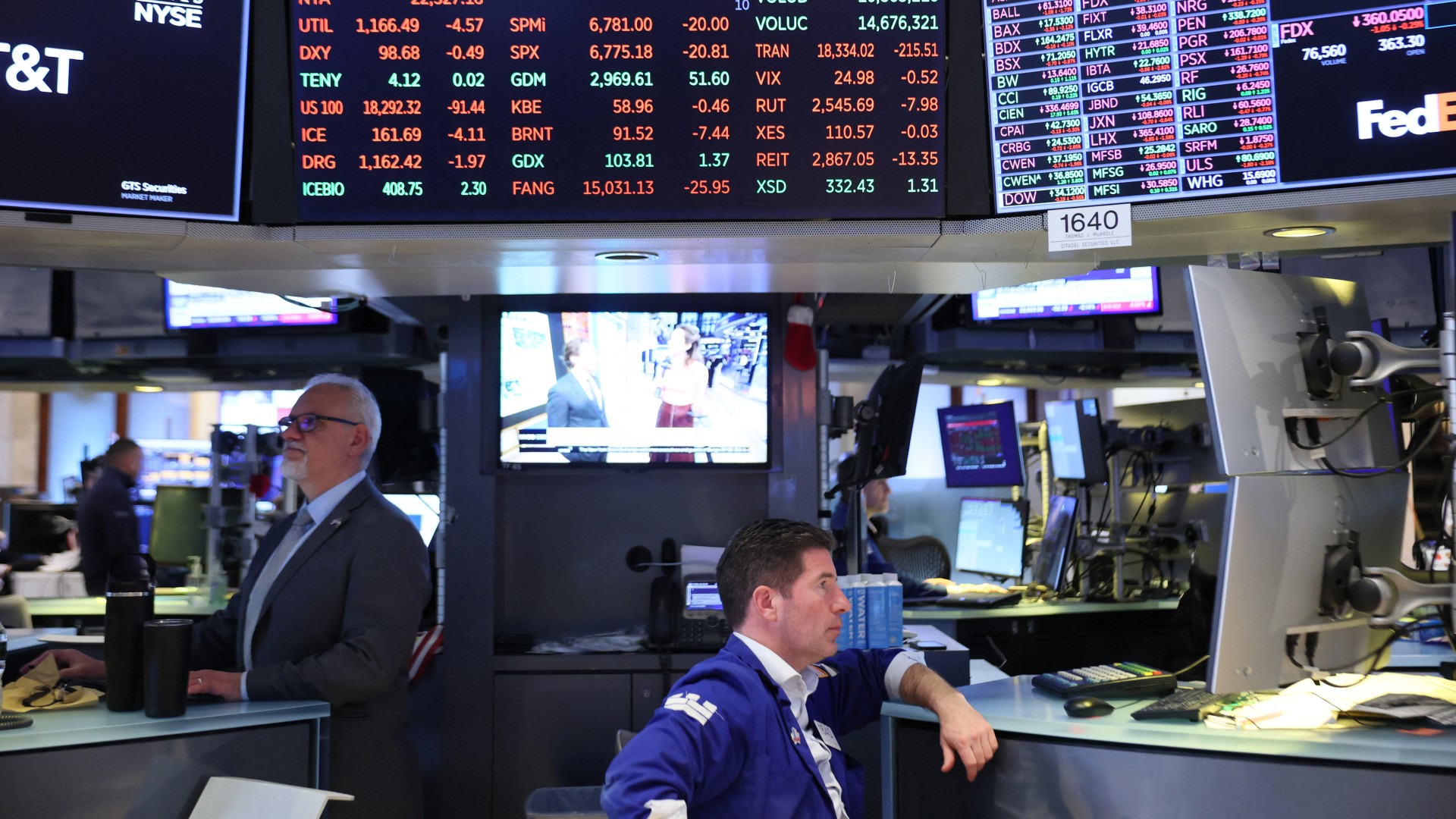
On the weekend that US-Israeli drones first began to rain down on Tehran, energy traders across the world’s major financial centres began to redraw their strategies.
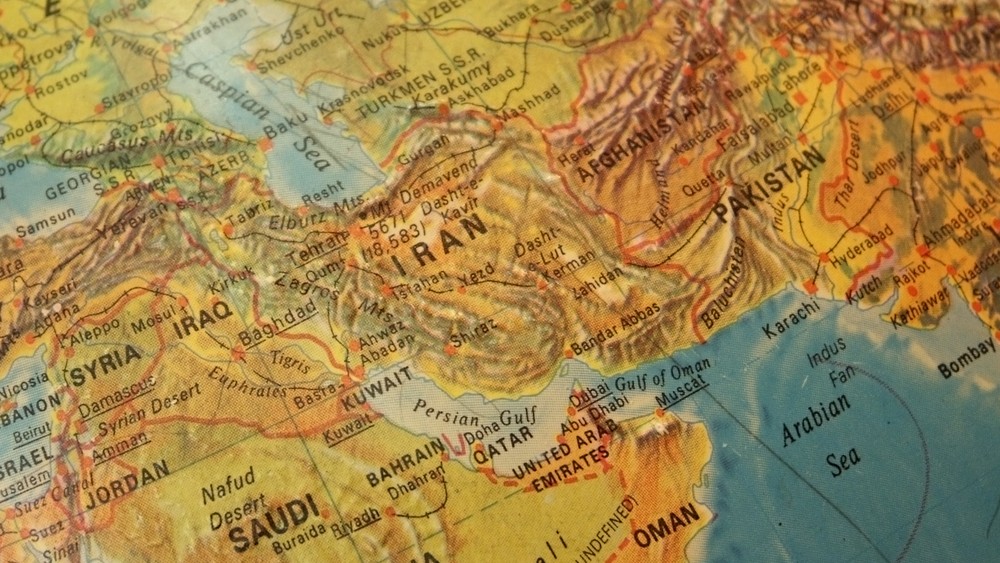
When they returned to their trading desks on that March Monday morning, they found oil and gas prices spiking amid a market nightmare made real: the unprecedented shutdown of the vital trade route through the strait of Hormuz.
“I had been telling our oil trader for weeks to be ready for a war with Iran,” said one trading analyst at a major European energy company.
“But he didn’t see it. The market was oversupplied, and prices were already looking higher than they should, so he shorted the market. That guy lost millions after the first strikes,” he said. “He’s an idiot.”