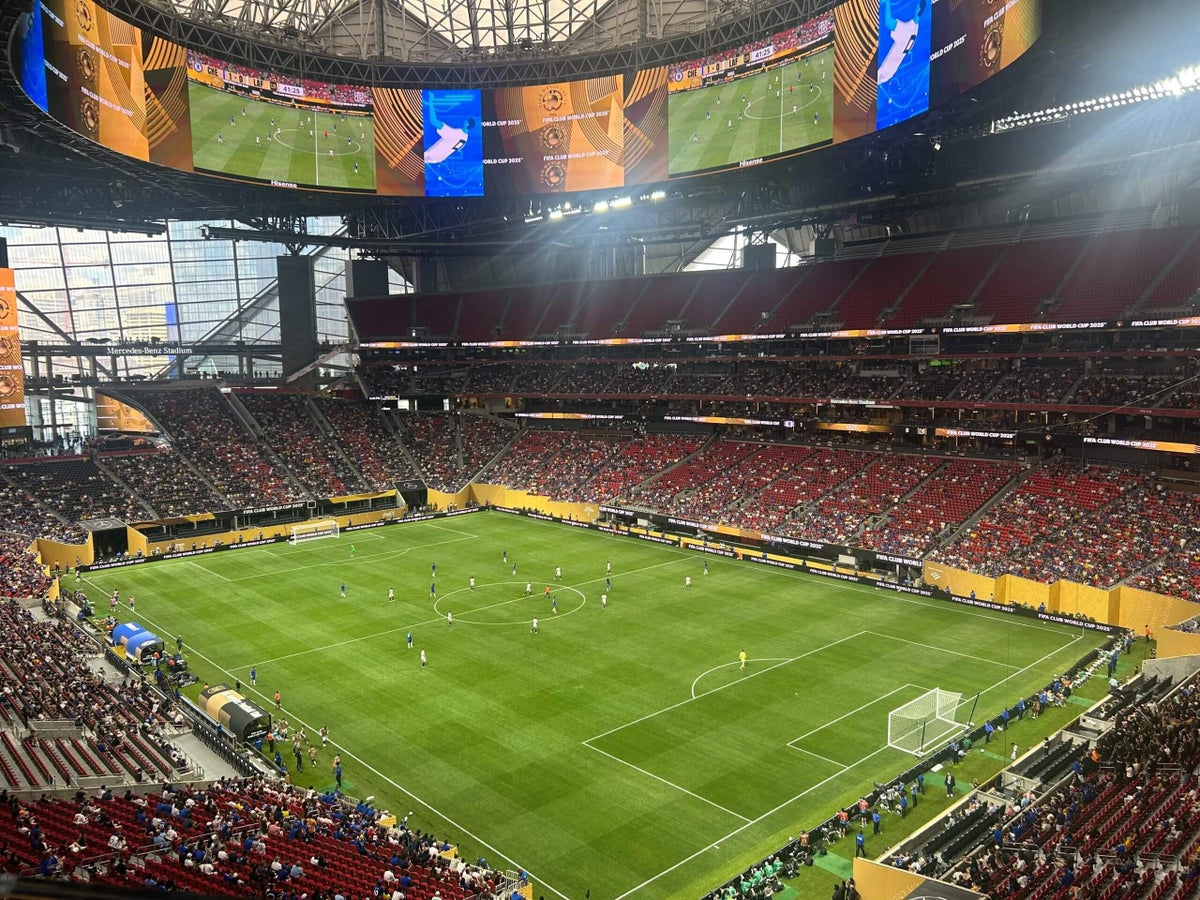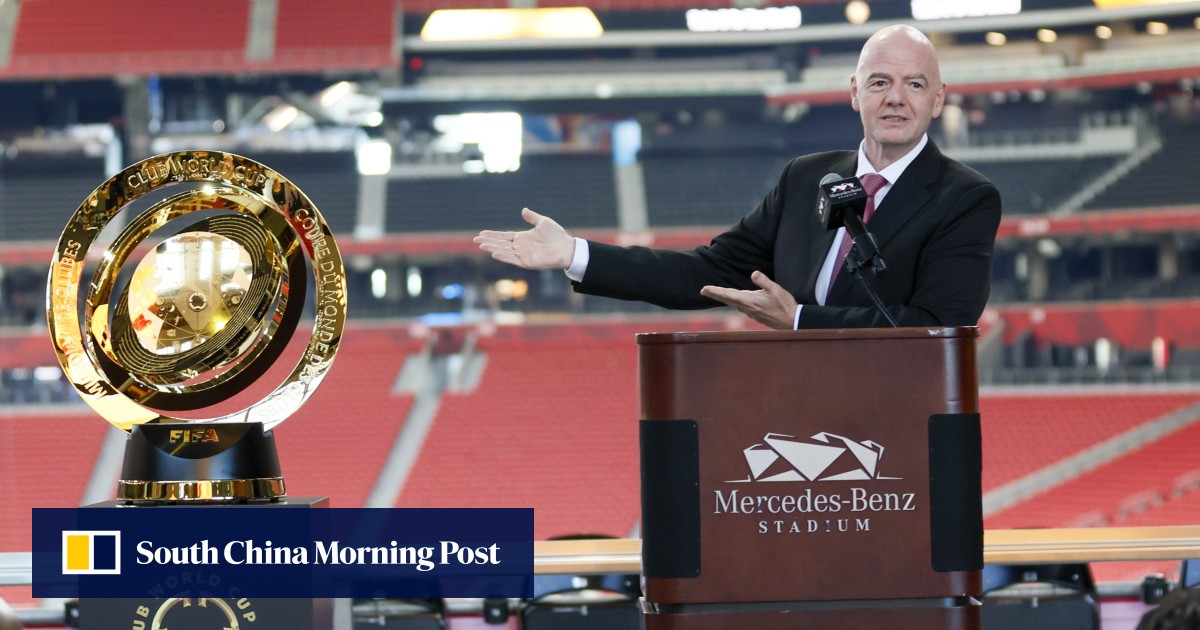
As the first-ever FIFA Club World Cup kicks off in Miami on Saturday, players and coaches will compete for a glittering gold trophy of interlocking, spinning circles. Meanwhile, their club’s marketing departments are vying for another long-coveted prize in the soccer world: a foothold in the lucrative U.S. market.
Soccer in the U.S. has been the next “big thing” for decades, since at least 1994 when it hosted the World Cup. But the world’s most popular sport never quite took hold in the world’s largest economy. American fans were seemed indifferent—if not outright hostile—to soccer. Now, however, the sport has achieved a new level of prominence in no small part thanks to expansive broadcasting deals, a shifting sports culture, and a raft of new talented American players who have broken through in Europe’s top leagues.
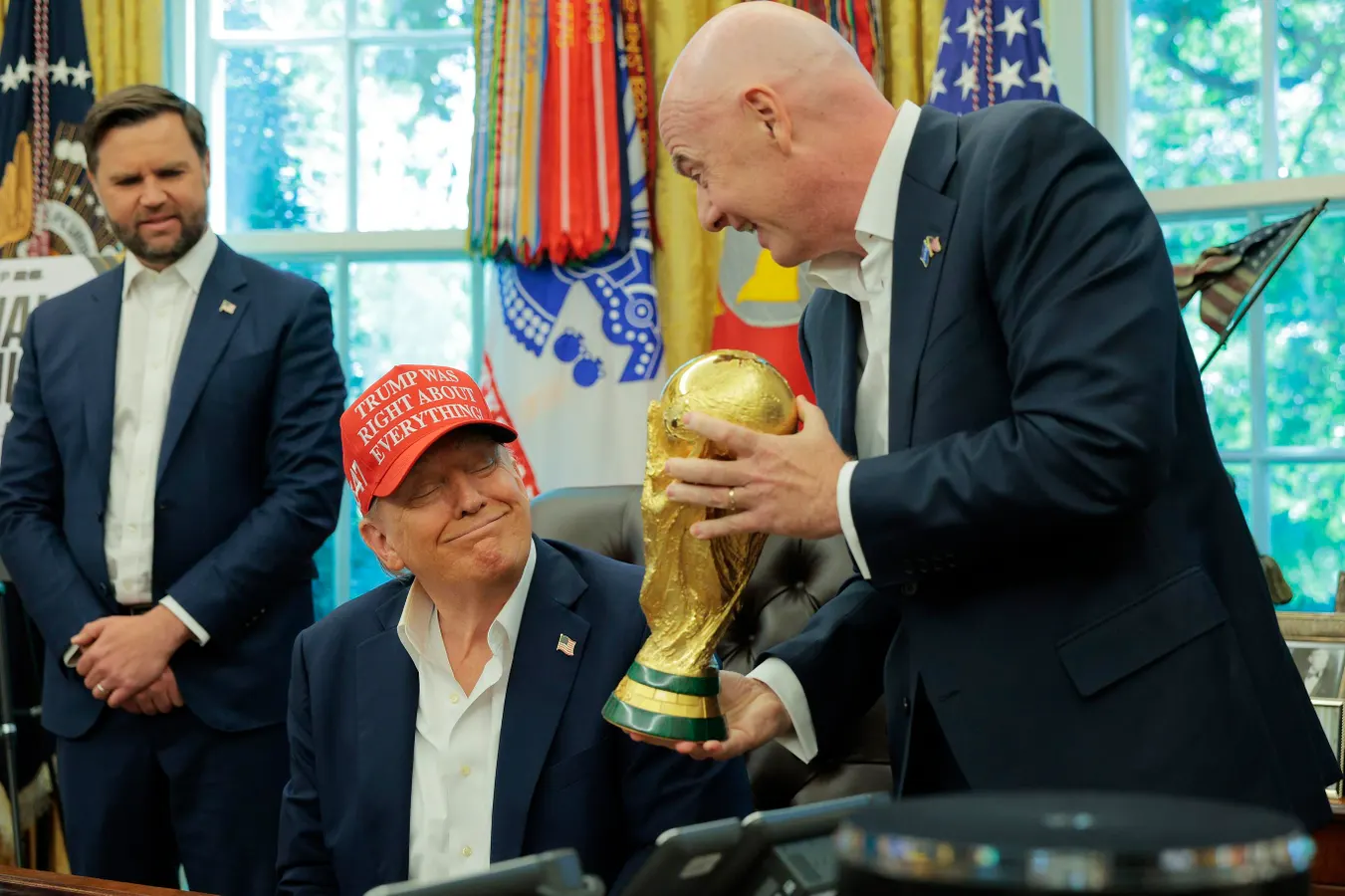
In fact, the U.S. is set to co-host the 2026 World Cup alongside Canada and Mexico. As a prelude to that marquee showcase, by some measures the world’s largest sporting event, the U.S. will host the 32-team Club World Cup, which brings qualifying clubs from across the world. In addition to a suite of Europe’s biggest clubs—Real Madrid, Paris St. Germain, Juventus—the tournament also brings teams from across the world, such as South Africa’s Mamelodi Sundowns and Japan’s Urawa Red Diamonds.