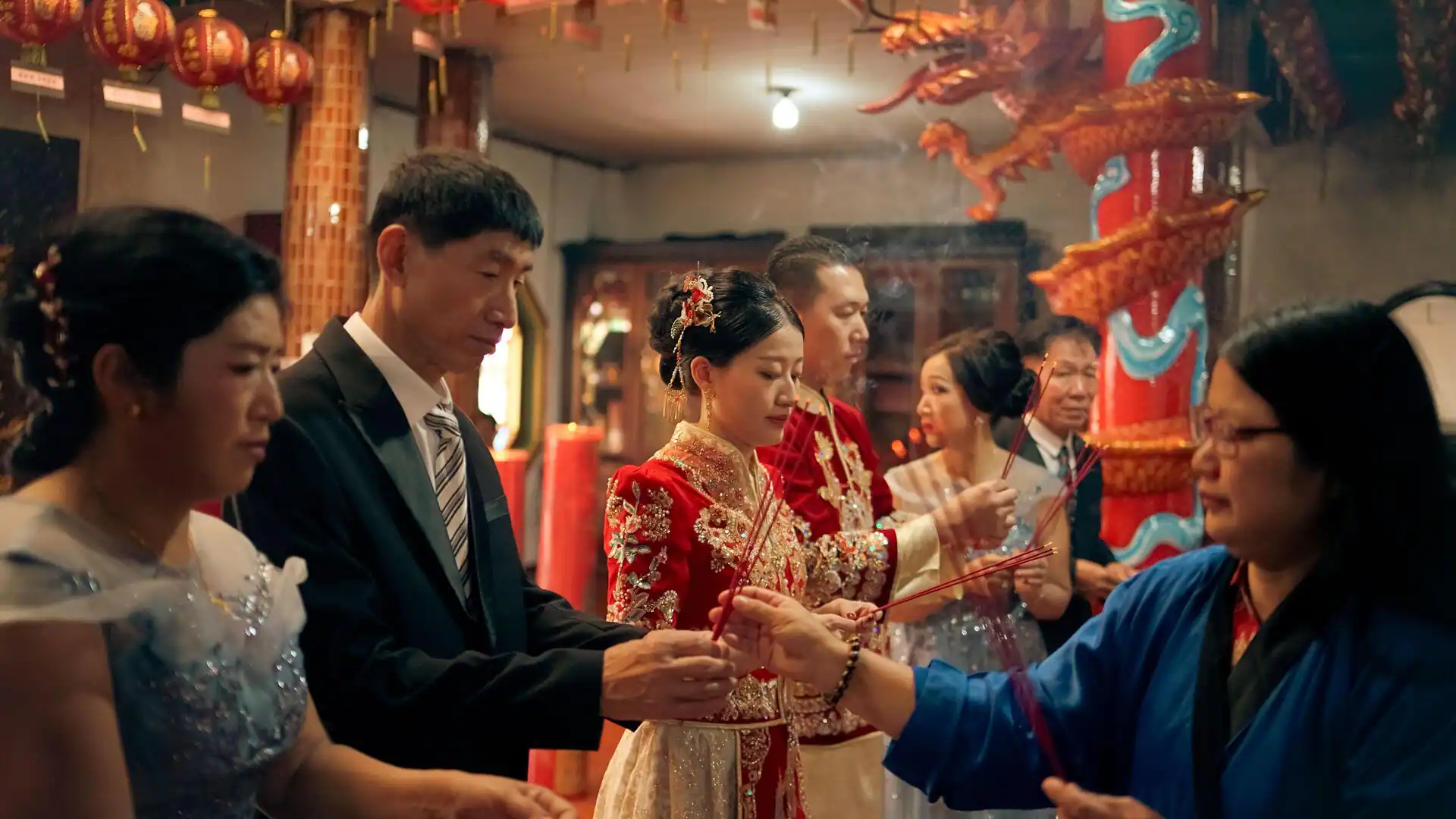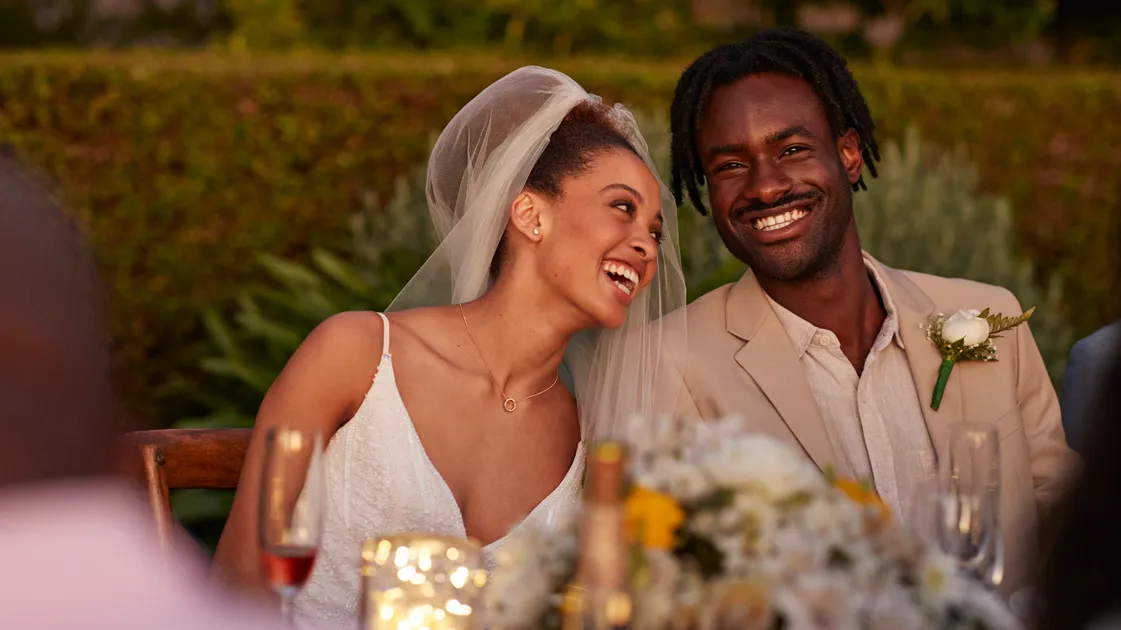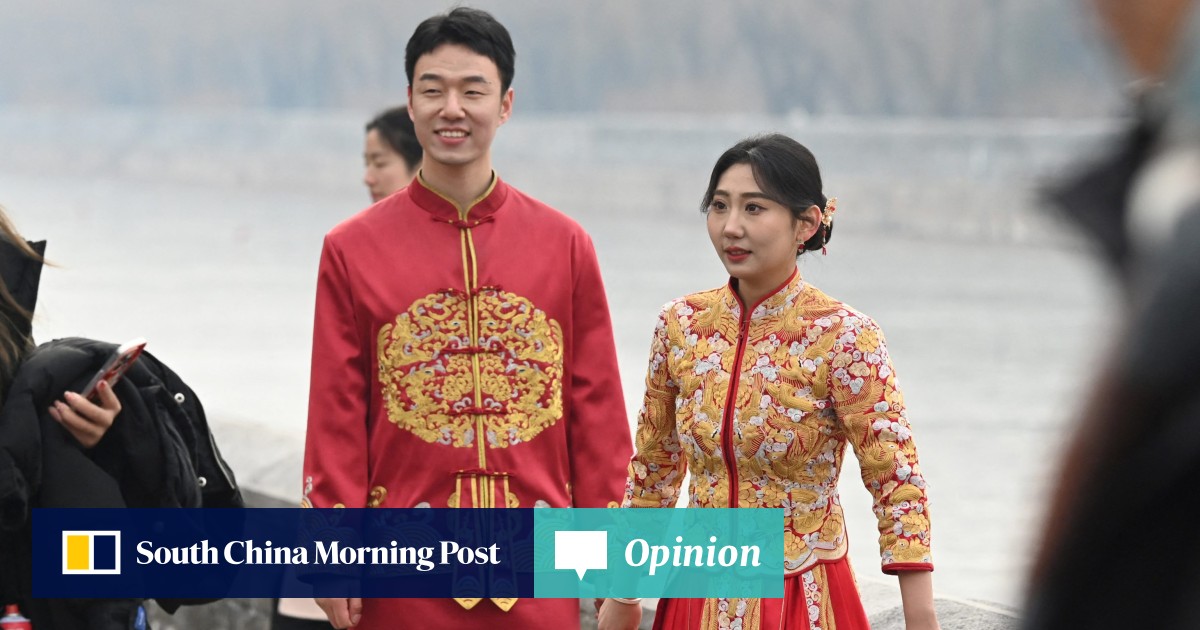
My niece got married last week and I was in London to attend the wedding. It seems only yesterday that I was propping her up and burping her after she had finished her bottle. Suddenly, she was getting married.Her husband, my nephew-in-law, is a young British man of Indian descent, and a series of traditional Indian rituals took place at the house of the groom’s parents the day before the wedding.The day began with a ritual presided over by a Hindu priest, followed by the Haldi and Mehndi ceremonies, which involve turmeric and henna pastes. There were also lots of delicious treats.I spent a delightful day in that house in the London suburbs, a day saturated with beautiful sights, sounds and smells. For that special occasion, I wore a kurta, a traditional South Asian tunic, and was assured by the groom’s family and relatives that I looked handsome in it. They were much too kind.Indian weddings often involve a series of traditional rituals. Photo: Getty ImagesFor Chinese weddings, the traditional “Three Letters and Six Rites” is a series of ceremonies that were designed to ensure social recognition, family consent and spiritual blessing of the union.The Three Letters refer to important written documents used during the wedding process: the Betrothal Letter, given by the groom’s family during the engagement stage to formally propose the union; the Gift Letter, which details the items and quantities presented during the formal gift-exchange ceremony; and the Wedding Letter, presented when the groom comes to collect the bride, symbolising the official transfer of the bride to the groom’s household.
Reflections | What is the Three Letters and Six Rites, ancient Chinese wedding custom?
A complex series of ceremonies, the Three Letters and Six Rites aimed to ensure social recognition, family consent and spiritual blessing.
263 words~1 min read