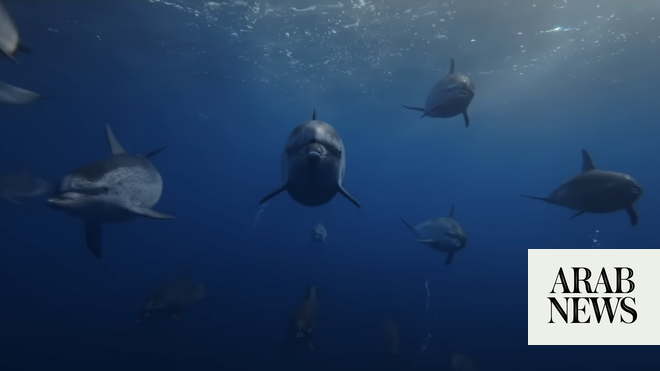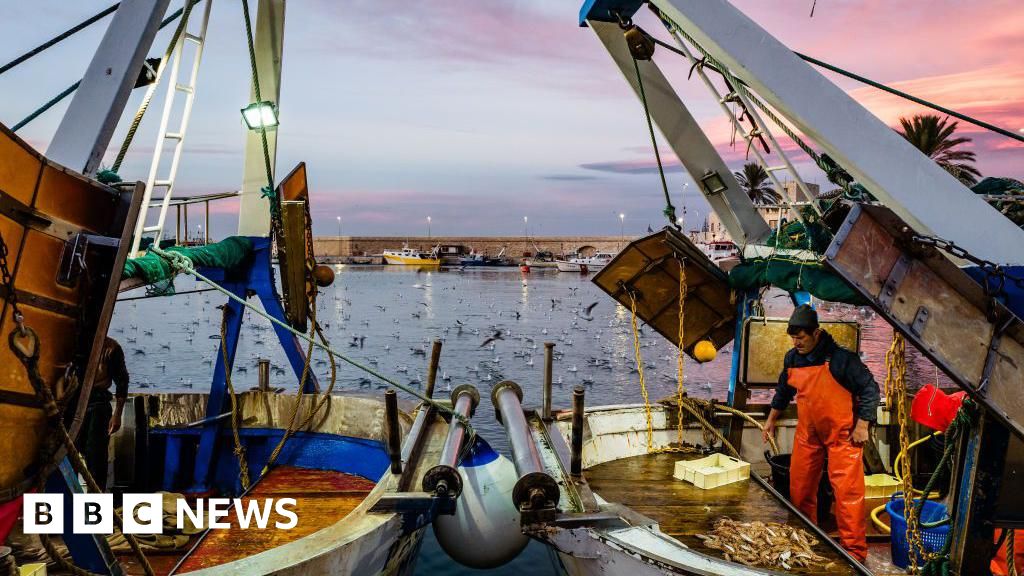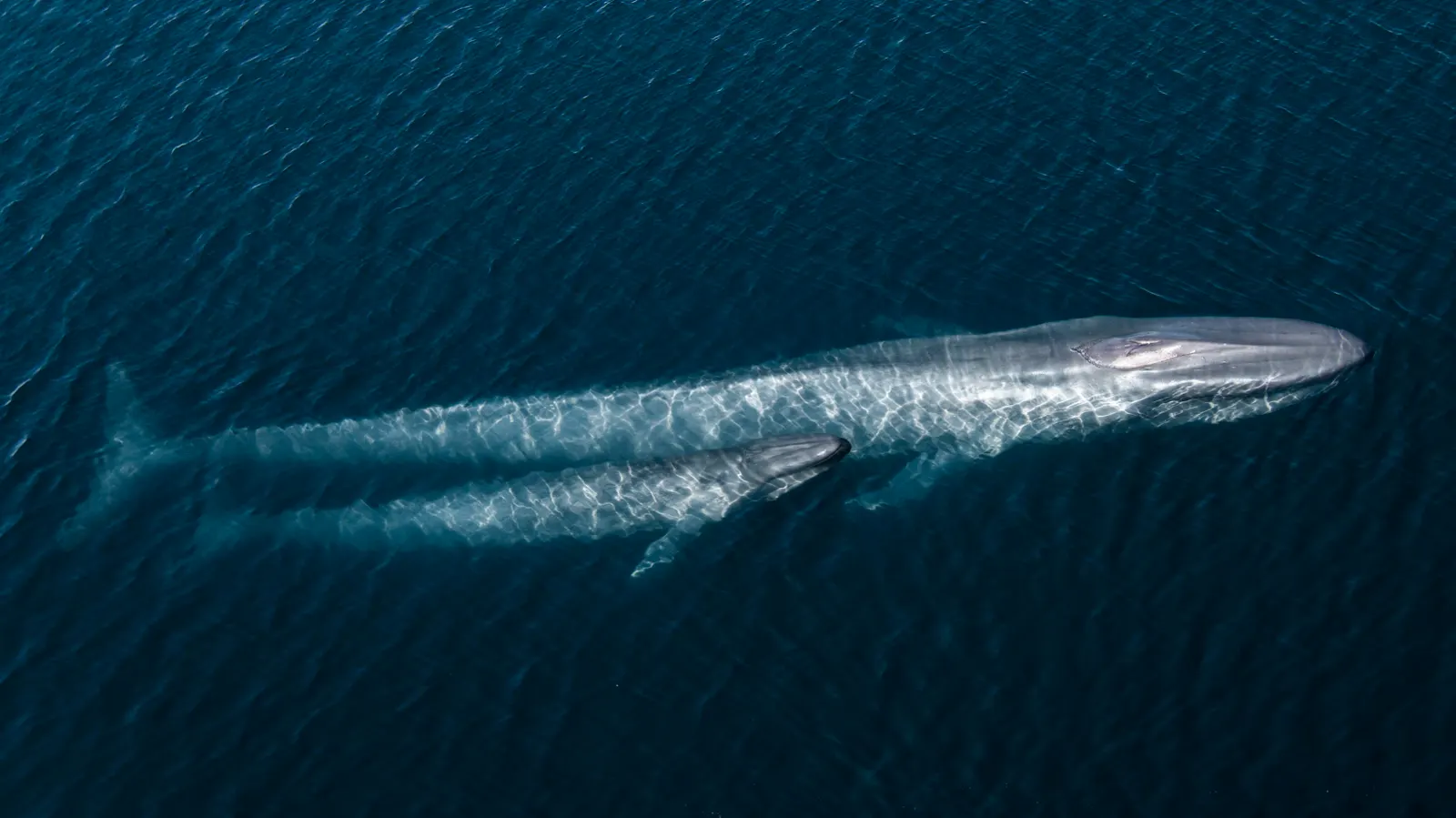
The documentary shows the damage that fishing does to our planet. So why does the industry still hold governments to ransom?
I
have been saying this a lot recently: “At last!” At last, a mainstream film bluntly revealing the plunder of our seas. At last, a proposed ban on bottom trawling in so-called “marine protected areas” (MPAs). At last, some solid research on seabed carbon and the vast releases caused by the trawlers ploughing it up. But still I feel that almost everyone is missing the point.
David Attenborough’s Ocean film, made for National Geographic, is the one I’ve been waiting for all my working life. An epoch ago, when I worked in the BBC’s Natural History Unit in the mid-1980s, some of us lobbied repeatedly for films like this, without success. Since then, even programmes that purport to discuss marine destruction have carefully avoided the principal cause: the fishing industry. The BBC’s Blue Planet II and Blue Planet Live series exemplified the organisation’s perennial failure of courage.
You can see the results in public beliefs. While assessments have long shown that the primary reason for the destruction of marine life is overfishing, in a poll last year, people in the UK placed it fourth. Eating our fish dinners while shaking our heads at the state of the oceans, we have been systematically misled by those whose job is to inform us.