The UK’s electoral system traditionally makes it hard for new parties to succeed. Not Reform. Sitting back from the fray, it sets the agenda
I
n today’s rundown, discontented Britain, politics is supposed to be hard. Deep national problems need to be solved, but voters are impatient and often contemptuous of politicians. Past mistakes are rarely forgiven. Promises are treated with scepticism. The costs of policies are scrutinised and often resented. Attempts to set out priorities, such as the government’s spending review this week, face endless questioning.
Disagreements inside political parties, meanwhile, are seen as signs of weakness and division. MPs with outside interests are seen as greedy and uncommitted. As for the minority who survive these pressures long enough to have a significant career – the electorate usually grows bored with them. Few retain its interest beyond a dozen or so years.
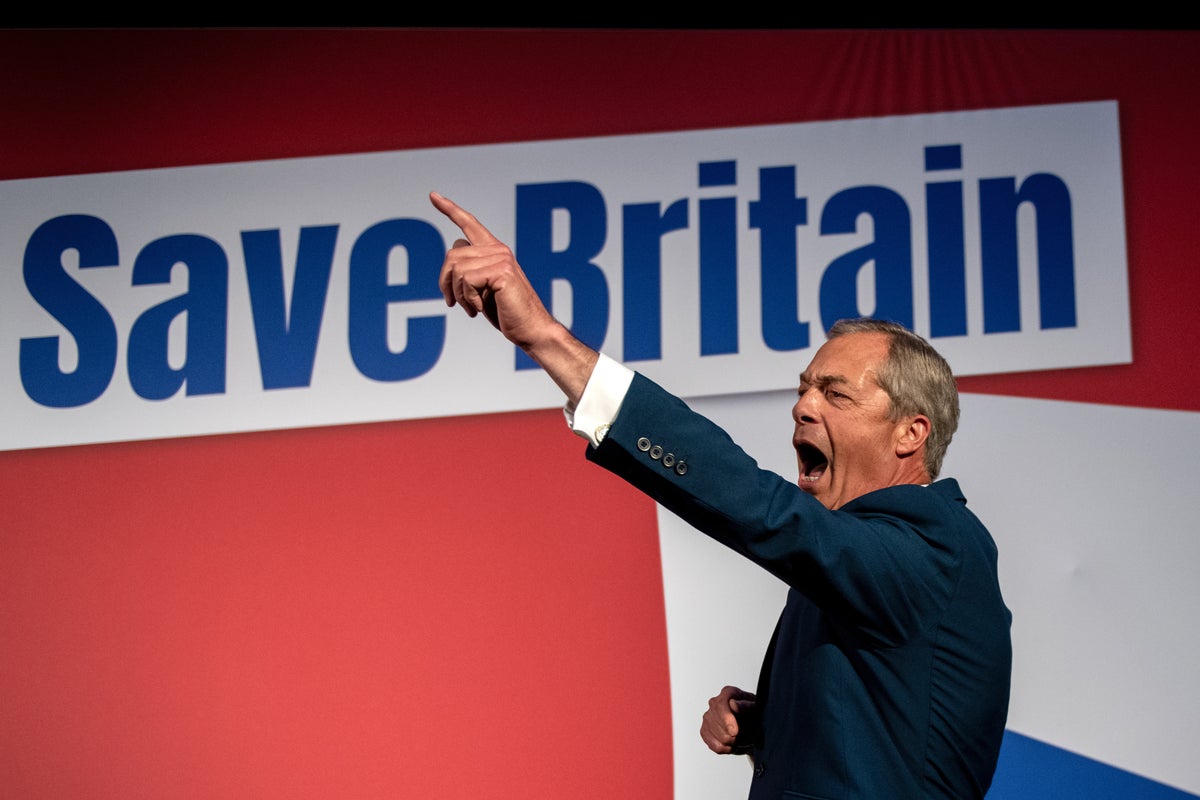
Nigel Farage first became an elected politician in 1999. Since then, disillusionment with his profession has intensified to probably unprecedented levels. Yet few, if any, of the unforgiving rules of British politics seem to apply to him, or to his latest vehicle, Reform UK. They appear to be playing politics on easy mode.